
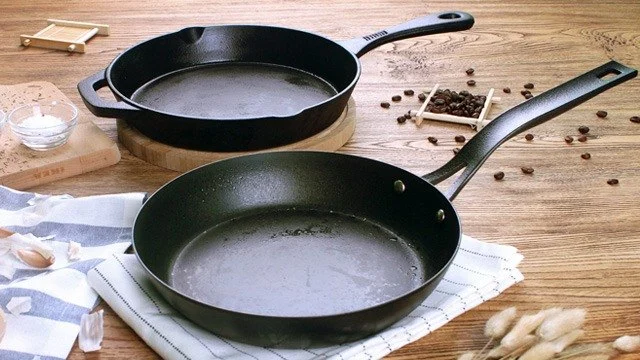
Beginner’s Guide to Cast Iron Pan
- What is a Cast Iron Pan?
- Why You Should Use a Cast Iron Pan
- How to Use Your Cast Iron Pan
- Caring for Your Cast Iron Skillet
- Common Mistakes to Avoid
- Get the Best Cast Iron Products
What is a Cast Iron Pan?
A cast iron pan, often referred to as a cast iron skillet, is a heavy-duty, durable piece of cookware that has been used for centuries. Made by pouring molten iron into molds, these pans are known for their ability to retain and distribute heat evenly. Cast iron pans can be used for various cooking methods, including frying, sautéing, baking, and even grilling. One of the key benefits of a cast iron skillet is its ability to develop a natural, non-stick coating when properly seasoned, making it ideal for cooking a wide variety of dishes.
Chicago Odorless Bathtub Refinishing / eco tub restoration
3236 W Eastwood Ave, Chicago, IL 60625, USA
Why You Should Use a Cast Iron Pan
Cast iron pans have gained popularity in recent years for several reasons. Whether you're an experienced cook or a beginner, this versatile piece of cookware offers numerous benefits:
- Durability: Cast iron pans can last a lifetime if properly cared for. Unlike non-stick pans, they don't wear out easily and can withstand high temperatures.
- Even Heat Distribution: Cast iron pans distribute heat evenly, which ensures that your food cooks consistently without hot spots.
- Non-stick Surface: With proper seasoning, a cast iron pan develops a natural non-stick surface, making it easier to cook without excess oil.
- Versatility: Whether you're cooking on the stovetop, in the oven, or even on the grill, cast iron pans can handle it all. They are perfect for frying, baking, and roasting.
- Improves with Age: The more you use your cast iron pan, the better it becomes. The seasoning improves with each use, enhancing the pan’s cooking properties over time.
How to Use Your Cast Iron Pan
Using a cast iron pan may seem intimidating at first, but with a few tips, you'll become an expert in no time. Here's how you can get the most out of your cast iron skillet:
- Preheat the Pan: Always preheat your cast iron pan before cooking. This helps ensure even heat distribution and prevents sticking.
- Use the Right Utensils: Avoid using metal utensils that can scratch the surface. Opt for wooden or silicone tools to protect your seasoning.
- Cook on Medium to Low Heat: Cast iron pans hold heat extremely well, so you don’t need to cook on high heat. Medium or low heat is often enough for most cooking tasks.
- Use Enough Oil: Although cast iron pans can develop a non-stick surface, using a small amount of oil can help prevent food from sticking, especially during the initial stages of cooking.
- Don’t Overcrowd the Pan: To get the best results, avoid overcrowding the pan. Overcrowding can lower the temperature of the pan, causing uneven cooking.
Caring for Your Cast Iron Skillet
Taking care of your cast iron pan is crucial to maintaining its longevity and performance. Here’s how you can keep your skillet in top condition:
- Season Your Cast Iron: Seasoning is the process of applying a thin layer of oil to the surface of the pan and heating it to create a protective coating. This helps prevent rust and makes the surface non-stick.
- Clean with Care: Avoid using soap or abrasive sponges, as these can strip the seasoning. Instead, clean your pan with hot water and a stiff brush. For stubborn bits, use a bit of coarse salt as an abrasive.
- Dry Immediately: After washing, dry your cast iron pan thoroughly with a cloth or paper towel to prevent rusting. You can even place it on low heat for a few minutes to ensure it’s completely dry.
- Re-season as Needed: If your pan starts to lose its non-stick surface or develops rust, it's time to re-season it. Apply a thin layer of oil and heat it until the oil becomes polymerized.
Common Mistakes to Avoid
As a beginner, there are a few common mistakes to watch out for when using your cast iron pan:
- Not Seasoning Properly: Skipping the seasoning process or using the wrong oil can lead to a poor cooking surface and cause rust.
- Cooking on Too High Heat: Cast iron retains heat very well, so cooking on high heat can burn your food and damage the seasoning.
- Using Soap to Clean: Using soap can strip the seasoning. Stick to water and a stiff brush to clean your pan.
- Storing Without Proper Care: Storing your pan in a damp environment can lead to rust. Always ensure it's completely dry and lightly oiled before storing it.
Get the Best Cast Iron Products
If you're looking to purchase a cast iron pan or need expert advice on caring for your cookware, visit Cast Iron Restoration for top-quality products and services. Our site offers a wide range of cast iron skillets, as well as helpful tips and recommendations to ensure you get the most out of your cooking experience.



 Marfa Cabinets Inc4.0 (80 reviews)
 Silhouette Builders Inc5.0 (26 reviews)
 E A H Industrial Spray Equipment Repair - Shark Grip Bathtub Refinishing Coatings - Chemcraft Wood Finishes4.0 (95 reviews)
 MIDWEST REMODELING & BUILDERS LTD5.0 (30 reviews)
 Remodeling Painting Management Inc.4.0 (42 reviews)
 IK Home Pros5.0 (20 reviews)
 How to Refurbish a Cast Iron Skillet at Home: A Complete Guide
 Best Products for Cast Iron Restoration Service: Top Tools and Products
 Simple At-Home Techniques for Cast Iron Restoration | Restore Your Cookware
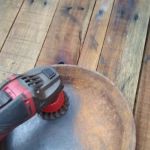 How to Restore Cast Iron at Home | A Complete Guide for Beginners
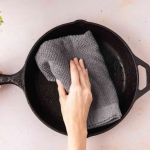 How Long Does Cast Iron Skillet Refinishing Take? Realistic Timeline for Restoration
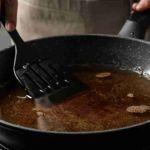 What to Avoid When Attempting Cast Iron Refinishing: Common Mistakes to Watch Out For