
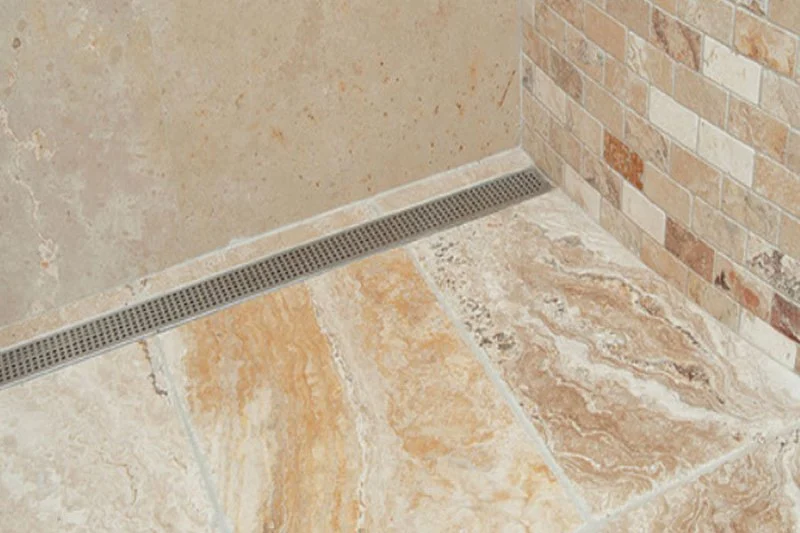
The Importance of Slope and Drainage in Shower Floor Design
When designing a shower floor, the importance of slope and drainage cannot be overstated. These two key elements are crucial to ensuring that water flows correctly, preventing water pooling and potential damage to your bathroom. Whether you're renovating your bathroom or constructing a new one, understanding how to create the right slope and install a proper drainage system is essential for long-lasting results.
- 1. Why Slope is Crucial in Shower Floor Design
- 2. The Role of Proper Drainage in Shower Floors
- 3. How to Calculate the Correct Slope for Your Shower Floor
- 4. Common Mistakes to Avoid in Shower Floor Design
- 5. Real-World Examples and Case Studies
1. Why Slope is Crucial in Shower Floor Design
When constructing a shower floor, the slope refers to the angle at which the floor is pitched towards the drain. A slight slope, generally around 1/4 inch per foot, is essential for ensuring that water flows towards the drain and doesn't pool in any corners. Without this slope, water will stagnate on the floor, leading to mold growth, tile damage, and potential water leaks that can affect other parts of your home.
Getting the slope right is crucial not only for functionality but also for aesthetic reasons. A properly sloped shower floor ensures that water flows evenly, preventing any unsightly pooling of water that can occur if the floor is level or pitched incorrectly. This can help keep the shower area clean, dry, and safe for regular use.
Fort Worth Refinishing / fort worth bathtub refinishing
2627 S Cooper St Suite E12, Arlington, TX 76015, USA
2. The Role of Proper Drainage in Shower Floors
Drainage is another critical element when designing a shower floor. It ensures that the water that flows towards the drain is quickly and efficiently removed, preventing backups and water damage. Proper drainage also helps to prevent unpleasant odors that can arise when water is left stagnant on the floor.
In addition to choosing the right drain, the placement of the drain is equally important. Ideally, it should be positioned at the lowest point of the shower floor to allow gravity to guide the water towards it. Furthermore, the type of drain—whether linear or center—is also important in ensuring that water is effectively directed away from the shower area.
Miracle Method Surface Refinishing / miracle bathtub refinishing
Santa RosaSonoma CountyCalifornia
3200 Dutton Ave Suite #325, Santa Rosa, CA 95407, USA
3. How to Calculate the Correct Slope for Your Shower Floor
To achieve the proper slope for your shower floor, it's important to understand the basic principle behind it. The general rule is a slope of 1/4 inch per foot towards the drain. This ensures that the water will flow efficiently while not being so steep that it causes discomfort when standing.
For example, if your shower floor is 4 feet long, the total drop from one side to the drain should be 1 inch. This ensures a smooth water flow towards the drain without creating an uneven surface. If you're installing a custom shower floor or a larger shower area, consider consulting a professional to ensure the correct slope for your specific needs.
4. Common Mistakes to Avoid in Shower Floor Design
When designing a shower floor, it's easy to overlook some critical details. Below are some common mistakes people often make when designing a shower floor:
- Incorrect Slope: Not ensuring a consistent slope towards the drain can lead to water pooling in certain areas.
- Improper Drain Placement: Placing the drain too far from the lowest point of the floor can cause drainage problems.
- Choosing the Wrong Drain Type: Selecting the wrong type of drain, such as a non-linear drain, can affect the flow of water.
- Not Accounting for Floor Material: Some materials may affect the efficiency of drainage. Make sure your floor material works well with your chosen drainage system.
5. Real-World Examples and Case Studies
To further illustrate the importance of slope and drainage in shower floor design, consider the following case study:
One homeowner in Los Angeles decided to renovate their bathroom and opted for a custom walk-in shower. They initially overlooked the importance of slope, opting for a perfectly level floor. Within months, they noticed water pooling in one corner of the shower, causing significant water damage to the tiles and grout. The homeowner had to tear out the entire floor and re-install a sloped base, which added considerable costs to their renovation project.
This case highlights the importance of proper planning in shower floor design. By ensuring that the slope and drainage are accounted for from the beginning, homeowners can save themselves time and money on repairs and maintenance down the road.
If you're planning a shower renovation or new build, be sure to consult with a professional and check out the best products at Cast Iron Restoration for high-quality materials and services to ensure your shower is built to last.



 Bath Pros and Cleaning,Corp5.0 (46 reviews)
 RG Restoration inc5.0 (1 reviews)
 Carolina´s CoatingSolutions. Refinishing pro5.0 (13 reviews)
 Aladdin Carpet & Floors - Rockville MD5.0 (413 reviews)
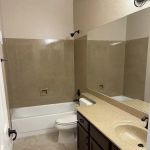 Bath and Kitchen Refinishing Solutions LLC4.0 (48 reviews)
 Charlotte Refinishing5.0 (10 reviews)
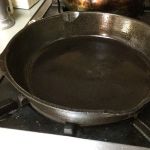 How to Refurbish a Cast Iron Skillet at Home: A Complete Guide
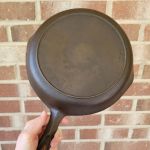 Best Products for Cast Iron Restoration Service: Top Tools and Products
 Simple At-Home Techniques for Cast Iron Restoration | Restore Your Cookware
 How to Restore Cast Iron at Home | A Complete Guide for Beginners
 How Long Does Cast Iron Skillet Refinishing Take? Realistic Timeline for Restoration
 What to Avoid When Attempting Cast Iron Refinishing: Common Mistakes to Watch Out For