
Is it Safe to Use Refinishing Cast Iron Pans?
- 1- Why Refinish Cast Iron Pans?
- 2- Steps to Refinish a Cast Iron Pan
- 3- Are There Any Safety Concerns?
- 4- Tips for Maintaining Your Cast Iron Pan
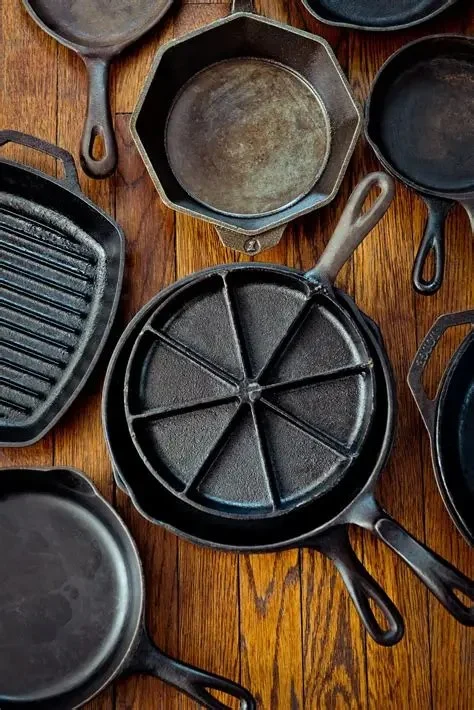
Cast iron pans are known for their durability, but over time, they can become rusty, damaged, or lose their non-stick surface. Refinishing your cast iron pan can restore its functionality, making it as good as new. But is it safe to do this at home? The answer depends on the methods and materials used during the refinishing process. Properly refinishing a cast iron pan is safe, but it requires some knowledge and the right techniques to avoid damaging the pan or putting your health at risk.

Miracle Method Surface Refinishing / miracle bathtub refinishing
Santa RosaSonoma CountyCalifornia
3200 Dutton Ave Suite #325, Santa Rosa, CA 95407, USA
2- Steps to Refinish a Cast Iron Pan
Refinishing a cast iron pan involves removing rust and re-seasoning the surface. Here's a general process you can follow:
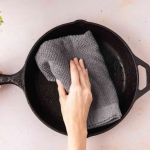
- Clean the Pan: Start by scrubbing the pan thoroughly with warm, soapy water to remove dirt and grime. If there's rust, you can use a wire brush or sandpaper to remove it.
- Remove Old Seasoning: If your pan has a layer of old seasoning, it needs to be stripped away. You can do this by using a self-cleaning oven (setting the pan on high heat for about an hour) or applying an oven cleaner. Be sure to follow safety precautions when using any chemicals.
- Dry the Pan: After cleaning and stripping the seasoning, dry the pan completely. Any remaining moisture could cause rust to form.
- Apply Oil: Once the pan is dry, apply a thin layer of vegetable oil or flaxseed oil. This oil will help create a non-stick surface when the pan is re-seasoned.
- Re-season in the Oven: Preheat your oven to 450°F (230°C). Place the pan upside down on the oven's middle rack, and bake it for an hour. Let it cool before using it again.
3- Are There Any Safety Concerns?
Refinishing cast iron pans is generally safe when done correctly, but there are a few things to be aware of:
- Using Harmful Chemicals: If you're stripping the old seasoning or rust using chemicals like oven cleaners, make sure to wear protective gloves and work in a well-ventilated area. Some cleaners can release harmful fumes when heated.
- Improper Heating: When using high heat to season the pan, ensure the temperature is controlled to avoid overheating or damaging the cast iron. Overheating could result in cracking or warping.
- Inconsistent Application of Oil: Applying too much oil can cause sticky spots or uneven seasoning. Always use a thin layer of oil and wipe off any excess.
4- Tips for Maintaining Your Cast Iron Pan
After refinishing your cast iron pan, proper maintenance will ensure it remains in great condition for years to come. Here are some tips:
- Avoid Soap: Avoid using soap on your cast iron pan, as it can break down the seasoning. Instead, clean it with hot water and a brush or sponge.
- Dry Immediately: Always dry your cast iron pan immediately after cleaning to prevent rusting. You can also place it on the stovetop on low heat for a few minutes to ensure it's fully dry.
- Regular Seasoning: To maintain the non-stick surface, re-season the pan occasionally by applying a thin layer of oil and baking it in the oven.
- Store Properly: Store your cast iron pan in a dry place, and if stacking it with other cookware, place a paper towel between the pans to absorb moisture.
Refinishing your cast iron pan is a great way to restore its function and extend its life. Just make sure to follow the correct steps and safety precautions to avoid any mishaps. If you need help with cast iron restoration, you can always reach out to Cast Iron Restoration for expert services and products that will keep your cookware in top condition.



 Dreamline Cabinets5.0 (60 reviews)
 BathMasters4.0 (38 reviews)
 FixUp Bathtub Refinishing & Countertops4.0 (21 reviews)
 Trusted Handyman5.0 (8 reviews)
 AC Home Design4.0 (18 reviews)
 Icon Building Group - Custom Homes and Remodeling4.0 (152 reviews)
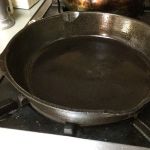 How to Refurbish a Cast Iron Skillet at Home: A Complete Guide
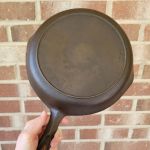 Best Products for Cast Iron Restoration Service: Top Tools and Products
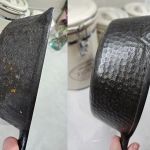 Simple At-Home Techniques for Cast Iron Restoration | Restore Your Cookware
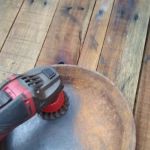 How to Restore Cast Iron at Home | A Complete Guide for Beginners
 How Long Does Cast Iron Skillet Refinishing Take? Realistic Timeline for Restoration
 What to Avoid When Attempting Cast Iron Refinishing: Common Mistakes to Watch Out For