
What to Avoid When Attempting Cast Iron Refinishing
- 1- Introduction to Cast Iron Refinishing
- 2- Common Mistakes to Avoid in Cast Iron Refinishing
- 3- Importance of Proper Preparation
- 4- Mistakes During the Repair Process
- 5- Mistakes in the Finishing Phase
- 6- Expert Tips for Successful Cast Iron Refinishing
1. Introduction to Cast Iron Refinishing
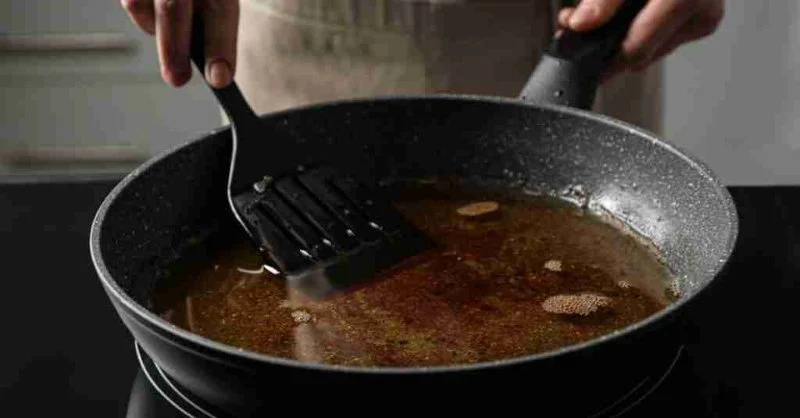
Refinishing cast iron can breathe new life into old, worn-out pieces, such as skillets, bathtubs, and decorative items. However, achieving a smooth, durable finish requires careful preparation and execution. Whether you’re a DIY enthusiast or hiring professionals, knowing what to avoid during the refinishing process is key to achieving optimal results. In this article, we’ll explore the common mistakes people make when refinishing cast iron and how to avoid them, ensuring a flawless restoration.

Miracle Method Surface Refinishing / miracle bathtub refinishing
Santa RosaSonoma CountyCalifornia
3200 Dutton Ave Suite #325, Santa Rosa, CA 95407, USA
2. Common Mistakes to Avoid in Cast Iron Refinishing
Cast iron refinishing may seem straightforward, but it's easy to make errors that could compromise the final result. Here are some of the most common mistakes to watch out for:
- Not Removing All Rust: Rust can seriously affect the finish of your cast iron. Failing to remove all rust will result in an uneven surface that may not hold the new finish well. Ensure you completely strip off any rust before moving forward.
- Using the Wrong Tools: Using improper tools can lead to damage or incomplete refinishing. For example, using a wire brush or abrasive pads that are too harsh can scratch or gouge the surface.
- Rushing the Process: Refinishing cast iron requires time and patience. Rushing through any of the stages, such as cleaning, sanding, or curing, will lead to an unsatisfactory outcome.
3. Importance of Proper Preparation
Proper preparation is one of the most critical steps in cast iron refinishing. Skipping or rushing through this stage can result in a finish that won’t last. Here’s what to do:
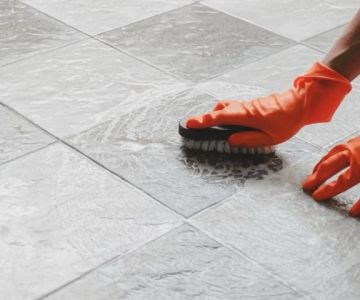
- Thoroughly Clean the Cast Iron: Before beginning the refinishing process, make sure to clean the surface thoroughly. Use a degreaser and scrub away any oil, dirt, or grime. This will ensure that the surface is ready for sanding and other treatments.
- Strip Away Old Coatings: Old paint or finishes should be completely stripped away to allow the new finish to adhere properly. Using a chemical paint stripper or sandblasting can effectively remove these old layers.
- Check for Cracks and Damage: Inspect your cast iron thoroughly for cracks, chips, or other damage. Addressing these issues early will save you time and trouble during the refinishing process.
4. Mistakes During the Repair Process
Once the surface is prepared, it's time to focus on any necessary repairs. Cast iron items, especially older ones, often have chips, cracks, or pitting. Here are some common repair mistakes to avoid:
- Improper Crack Repair: It's important to repair cracks in the cast iron using the right materials and methods. Attempting to fix cracks with the wrong filler can result in a weak repair that may fail later.
- Skipping the Cure Time: Many repairs require curing or drying time. Skipping this step can result in weak adhesion, leading to future cracks or peeling in the finish.
- Overlooking Small Flaws: Sometimes small imperfections can be overlooked during repairs. These issues may not be visible right away but can negatively affect the final result over time.
5. Mistakes in the Finishing Phase
The finishing phase is where your cast iron piece will really start to shine. However, there are several common errors that can affect the final result:
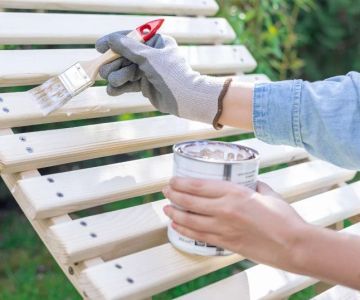
- Using Low-Quality Finish: Opting for low-quality finishes or paints can result in a finish that’s not durable or long-lasting. Always choose a high-quality enamel or coating designed specifically for cast iron.
- Applying Too Many Coats: While it might seem like applying several layers of finish will improve durability, too many coats can lead to an uneven, clumpy surface. Follow the manufacturer’s instructions for the proper number of layers.
- Not Allowing Proper Drying Time: Adequate drying and curing time is essential for ensuring that the finish properly adheres to the surface. Rushing this process can result in a finish that’s susceptible to peeling or chipping.
6. Expert Tips for Successful Cast Iron Refinishing
To avoid common mistakes and ensure your refinishing project is a success, follow these expert tips:
- Take Your Time: Patience is key when refinishing cast iron. Don't rush through the process. Make sure each step is done correctly and allow enough time for drying and curing.
- Invest in the Right Equipment: High-quality tools and materials will make a significant difference in the final result. Invest in good sandpaper, brushes, and coatings designed for cast iron.
- Consider Professional Help: If you're unsure about tackling a large or complicated piece, consider hiring a professional restoration service. They have the experience and tools to achieve the best results efficiently.
If you’re looking for the best products and services to help with your cast iron refinishing project, check out Cast Iron Restoration. We offer high-quality tools, materials, and expert advice to guide you through the restoration process.



 FixPro Remodeling5.0 (44 reviews)
 Burgess remodeling and handyman services3.0 (5 reviews)
 SURFACE PRO REFINISHING4.0 (231 reviews)
 KT’s Woodworking LLC5.0 (12 reviews)
 Advanced Refinishing, LLC4.0 (68 reviews)
 HA Remodeling Solutions5.0 (9 reviews)
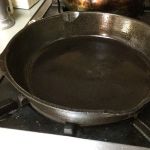 How to Refurbish a Cast Iron Skillet at Home: A Complete Guide
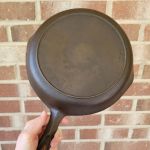 Best Products for Cast Iron Restoration Service: Top Tools and Products
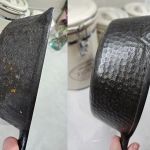 Simple At-Home Techniques for Cast Iron Restoration | Restore Your Cookware
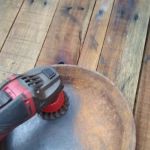 How to Restore Cast Iron at Home | A Complete Guide for Beginners
 How Long Does Cast Iron Skillet Refinishing Take? Realistic Timeline for Restoration
 What to Avoid When Attempting Cast Iron Refinishing: Common Mistakes to Watch Out For