
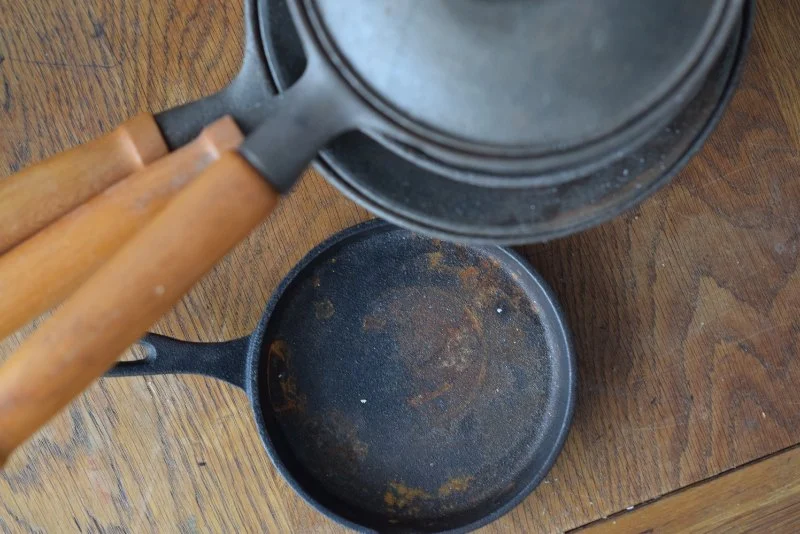
1. What Not to Do When Restoring Vintage Cast Iron Cookware
Restoring vintage cast iron cookware is a rewarding project, but it’s easy to make mistakes along the way. Whether you’ve found an old family heirloom or a vintage skillet at a flea market, knowing what not to do can save you time, effort, and potentially prevent damaging your cookware. In this guide, we’ll cover common mistakes people make when restoring cast iron and provide expert advice on how to avoid them for a successful restoration.

Miracle Method Surface Refinishing / miracle tub refinishing
Santa RosaSonoma CountyCalifornia
3200 Dutton Ave Suite #325, Santa Rosa, CA 95407, USA
2. Don't Skip the Cleaning Process
One of the biggest mistakes in cast iron restoration is failing to thoroughly clean the piece before starting the restoration process. Old food residue, rust, and grime must be completely removed to ensure that the seasoning sticks and that the cookware functions properly. Skipping this step can leave behind stubborn debris that might interfere with the seasoning process.
2.1 Avoiding Soap for Cleaning
While you might think that soap should never be used on cast iron, it's okay to use it when restoring a vintage piece. When cleaning a rusty or grimy skillet, use a small amount of soap if necessary, but make sure to dry the skillet completely afterward. Once cleaned, re-season the piece to restore the protective coating.
3. Don't Overdo It with the Rust Removal
Rust removal is an important part of restoring vintage cast iron, but it’s easy to go overboard. Excessively scrubbing the cast iron or using overly abrasive tools can damage the surface and remove more metal than necessary. Here’s how to remove rust the right way:
3.1 Use a Vinegar Soak
Instead of using harsh abrasives, soak your cast iron in a vinegar and water solution (1:1 ratio) for several hours. This helps loosen the rust without causing damage. Once the rust is softened, gently scrub the piece with a wire brush or steel wool.
3.2 Avoid Sandblasting Unless Necessary
While sandblasting can be effective for heavy rust, it should only be used in extreme cases. For most vintage cookware, a gentle cleaning process will suffice. Overuse of power tools like sandblasters can remove too much of the surface, making the cast iron more prone to future damage.
4. Don’t Skip the Seasoning Step
Seasoning is essential for restoring vintage cast iron cookware. It creates a non-stick surface and protects the cast iron from rust. One common mistake is to skip the seasoning process or to rush it. Here’s what you should avoid:
4.1 Don’t Apply Just One Layer of Oil
Applying only one layer of oil will not give your cast iron a durable, non-stick surface. It’s important to apply multiple thin layers of oil, each baked at a high temperature, to build up a strong coating. Skip this step, and you’ll find that your cast iron is prone to rust and food sticking to it.
4.2 Don’t Over-Oil the Skillet
On the flip side, don’t apply too much oil when seasoning your cast iron. Excess oil can result in a sticky, uneven surface. Always wipe away any excess oil before baking it in the oven. You want a thin, even coat to ensure the oil bonds properly to the cast iron.
5. Don’t Ignore Cracks or Chips
If your vintage cast iron cookware has any cracks or chips, ignoring them could result in further damage. Cast iron is incredibly durable, but cracks can worsen over time. Here’s what you need to do:
5.1 Repairing Cracks and Chips
Use a cast iron repair kit, which typically includes heat-resistant epoxy, to fill in any cracks or chips. Once the repairs are complete, allow the epoxy to cure fully before proceeding with the seasoning process. Skipping this step could make the cracks worse and affect the functionality of the cookware.
6. Don’t Rush the Restoration Process
Restoring vintage cast iron cookware takes time and patience. Rushing through the steps can lead to poor results. Here’s how to avoid cutting corners:
6.1 Take Your Time with Cleaning and Seasoning
Don’t rush the cleaning and seasoning processes. Be thorough in each step—clean the skillet properly, remove rust carefully, and apply multiple layers of seasoning. Allow each layer to bake and cool fully before applying the next one. The more patience you have, the better the result.
6.2 Be Patient with Repair Work
If your cast iron needs repairs, such as filling cracks, allow the repair materials to cure completely. Rushing through this step can lead to weak repairs and further damage over time.
7. Case Study: How Lisa Restored Her Grandmother’s Skillet
Lisa inherited her grandmother’s cast iron skillet, which had been left in storage for years. It was rusty and coated in old seasoning. After following the expert advice in this article, Lisa carefully cleaned the skillet with a vinegar soak, removed the rust, and applied several thin layers of flaxseed oil to season it. The result was a beautifully restored skillet that now works better than ever. Lisa’s experience highlights the importance of following the correct steps and not rushing through the restoration process.
8. Expert Recommendations for Successful Restoration
For a successful vintage cast iron restoration, remember these expert recommendations:
8.1 Use the Right Tools
Having the right tools, such as a wire brush, vinegar solution, and high-smoke-point oil, is crucial to restoring cast iron cookware effectively. Invest in quality tools to ensure the best results.
8.2 Take Your Time
Don’t rush through the restoration process. Whether it’s cleaning, rust removal, or seasoning, taking your time ensures a more durable and functional result.
8.3 Regular Maintenance
Once your vintage cast iron is restored, regular maintenance is key to preserving its quality. Clean it with warm water and avoid soap, and re-season it as needed to prevent rust from forming.
For all your cast iron restoration needs, visit Cast Iron Restoration for expert tools, advice, and services that will help you make your cookware last for generations.





 A.E.A. Renovations, Ltd.5.0 (2 reviews)
 A1 Reglaze4.0 (198 reviews)
 Rob's Refinishing Inc4.0 (42 reviews)
 Kitchen Tune-Up Lake Mary, FL5.0 (22 reviews)
 Bayern Builders5.0 (25 reviews)
 RRJ Quality Construction Corp.4.0 (16 reviews)
 How to Refurbish a Cast Iron Skillet at Home: A Complete Guide
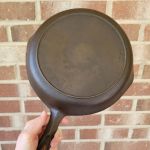 Best Products for Cast Iron Restoration Service: Top Tools and Products
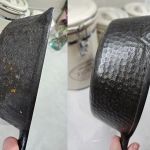 Simple At-Home Techniques for Cast Iron Restoration | Restore Your Cookware
 How to Restore Cast Iron at Home | A Complete Guide for Beginners
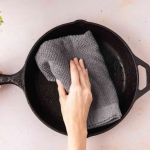 How Long Does Cast Iron Skillet Refinishing Take? Realistic Timeline for Restoration
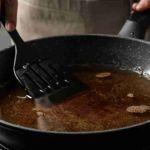 What to Avoid When Attempting Cast Iron Refinishing: Common Mistakes to Watch Out For