
- 1. Why Proper Cast Iron Restoration Is Crucial
- 2. Common Mistakes to Avoid in Cast Iron Restoration
- 3. What Not to Do When Removing Rust from Cast Iron
- 4. How to Avoid Damaging Cast Iron During Restoration
- 5. Tools and Techniques for Successful Cast Iron Restoration
- 6. Why Choose Cast Iron Restoration Experts for Your Project
1. Why Proper Cast Iron Restoration Is Crucial
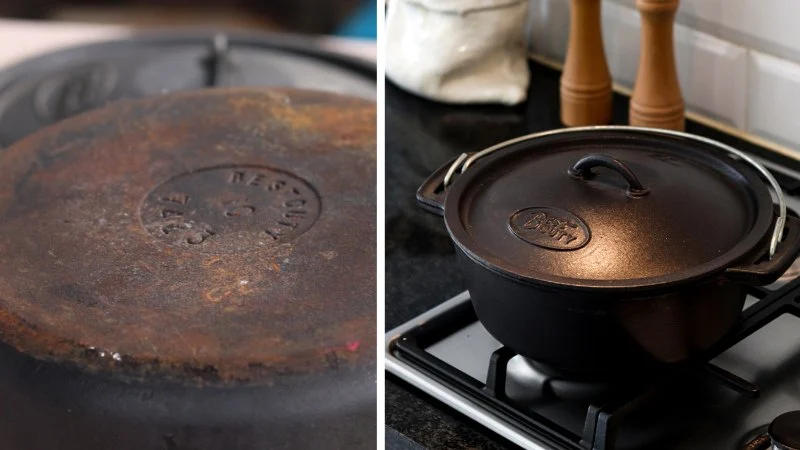
Restoring cast iron is an art that requires careful attention and precision. Whether you're working with antique cookware, furniture, or other cast iron items, proper restoration helps preserve the item’s value, functionality, and appearance. Incorrect restoration techniques can lead to irreversible damage, weakening the structure, and reducing its lifespan. Therefore, understanding the restoration process and what to avoid is essential for achieving the best results.

America Refinishing Pros / america refinishing pros
9510 SW 137th Ave, Miami, FL 33186, USA
2. Common Mistakes to Avoid in Cast Iron Restoration
When it comes to cast iron restoration, there are several common mistakes that can derail your efforts. Avoiding these errors is key to ensuring your restoration project goes smoothly:
- Using Harsh Chemicals: Many people resort to abrasive chemicals that can strip away more than just rust. These chemicals can damage the surface of the cast iron, leaving it pitted or weakened. Always opt for mild cleaners that are safe for the material.
- Skipping the Proper Preparation: Failing to clean and prep the cast iron before restoration is a significant mistake. Skipping this step can lead to poor adhesion of paint or coatings, resulting in peeling and flaking.
- Not Using the Right Tools: Using improper tools such as a wire brush that’s too coarse or power tools that are too aggressive can cause deep scratches or gouges in the metal. It's crucial to choose the right tools for the job.
- Ignoring Safety Precautions: Cast iron restoration can involve high temperatures and heavy-duty equipment. Not wearing proper safety gear, such as gloves, goggles, and masks, can lead to accidents or injuries.
By avoiding these mistakes, you can ensure a smooth and successful restoration process.

Miracle Method Surface Refinishing / miracle method boulder
Santa RosaSonoma CountyCalifornia
3200 Dutton Ave Suite #325, Santa Rosa, CA 95407, USA
3. What Not to Do When Removing Rust from Cast Iron
Removing rust from cast iron can be one of the trickiest parts of the restoration process. Here are some things you should avoid:
- Don’t Over-Scrub: While it's tempting to scrub away the rust aggressively, over-scrubbing can damage the cast iron and leave it vulnerable to further rusting. Instead, use a gentle abrasive pad or a rust remover designed for cast iron.
- Don’t Use Steel Wool: Steel wool is too harsh for cast iron and can leave behind fine scratches that lead to future rusting. Opt for a softer abrasive material.
- Don’t Skip the Seasoning Step: After removing rust, many forget to re-season their cast iron items. Seasoning helps create a protective layer, preventing rust from forming again.
By following the correct rust removal procedures, you can restore your cast iron without compromising its integrity.
4. How to Avoid Damaging Cast Iron During Restoration
Cast iron is a durable material, but it's also susceptible to cracking and chipping during restoration if not handled carefully. Here are some tips to avoid causing damage:
- Don’t Heat Too Quickly: Rapid heating can cause thermal shock, which may crack the cast iron. Heat your item gradually to prevent this.
- Don’t Apply Too Much Pressure: When sanding or grinding, avoid applying excessive pressure. Let the tool do the work to prevent unnecessary stress on the material.
- Don’t Ignore Small Cracks: Small cracks can grow larger over time. It’s essential to address any cracks or weaknesses before proceeding with the restoration.
Taking these precautions will help ensure that your cast iron remains intact and fully restored.
5. Tools and Techniques for Successful Cast Iron Restoration
Restoring cast iron requires the right set of tools and techniques. Here are some essential tools and methods for a successful restoration:
- Wire Brushes and Sandpaper: For removing rust and smoothing out rough spots, wire brushes and sandpaper are essential. Make sure to choose the appropriate grit to avoid damage.
- Angle Grinder: An angle grinder can help remove stubborn rust and scale, but be cautious not to overdo it. Always use a light touch to prevent gouging.
- Cast Iron Paint: After prepping the surface, apply a heat-resistant cast iron paint to protect the material and improve its appearance.
Using the right tools ensures a smoother, more effective restoration process and results in a well-preserved item.
6. Why Choose Cast Iron Restoration Experts for Your Project
If you're unsure about taking on a cast iron restoration project, consider reaching out to the professionals at Cast Iron Restoration. With years of experience, they can offer expert advice and services to restore your items to their former glory without the risk of damaging them.
For the best results, it’s always recommended to work with professionals who understand the nuances of restoring cast iron items.



 Kitchen Design Center & PMJ Stoneworks5.0 (2 reviews)
 Ramirez Cabinets, Blinds & More...4.0 (39 reviews)
 Vera Home Improvement LLC4.0 (46 reviews)
 Kitchen & Bath Remodeling in Castle Rock5.0 (10 reviews)
 Total Bathroom Remodeling Miami4.0 (37 reviews)
 Bath Fitter4.0 (171 reviews)
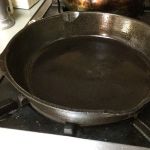 How to Refurbish a Cast Iron Skillet at Home: A Complete Guide
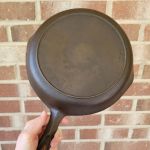 Best Products for Cast Iron Restoration Service: Top Tools and Products
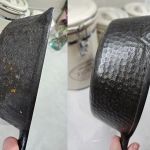 Simple At-Home Techniques for Cast Iron Restoration | Restore Your Cookware
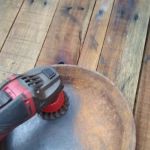 How to Restore Cast Iron at Home | A Complete Guide for Beginners
 How Long Does Cast Iron Skillet Refinishing Take? Realistic Timeline for Restoration
 What to Avoid When Attempting Cast Iron Refinishing: Common Mistakes to Watch Out For