
- 1-Why Restore Cast Iron for Vintage Lovers?
- 2-Steps in Cast Iron Restoration
- 3-Tools and Materials Needed for Cast Iron Restoration
- 4-Common Issues in Vintage Cast Iron and How to Fix Them
- 5-Real Life Case Study: Restoration of a Vintage Cast Iron Skillet
1. Why Restore Cast Iron for Vintage Lovers?
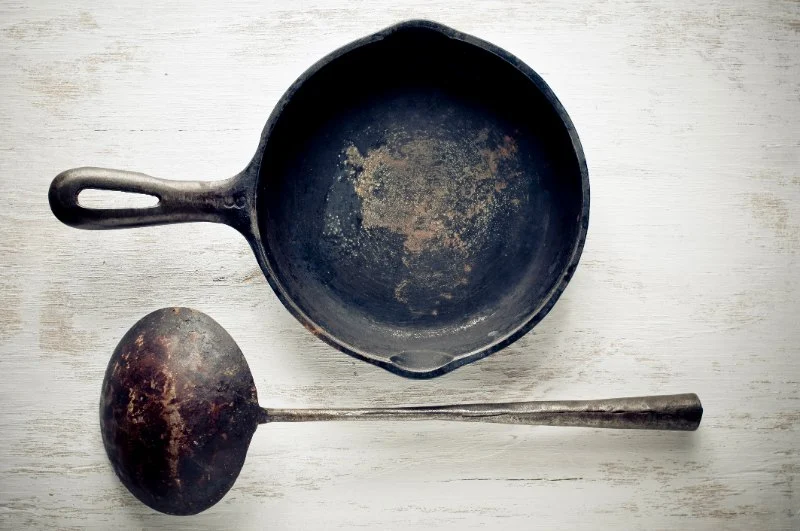
Cast iron cookware has long been beloved by cooking enthusiasts for its durability, heat retention, and even cooking. For vintage lovers, the appeal of restoring old cast iron pieces goes beyond functionality; it’s about preserving history. These vintage items often come with sentimental value or historical significance, and restoring them can bring them back to life, making them as good as new (if not better).
Restoring cast iron can also be a sustainable practice. Instead of buying new cookware, restoring old pieces reduces waste and promotes the longevity of quality materials. Additionally, vintage cast iron often features unique craftsmanship that newer pieces lack, making the restoration process even more rewarding for collectors and home chefs alike.
Chicago Odorless Bathtub Refinishing / eco tub restoration
3236 W Eastwood Ave, Chicago, IL 60625, USA
2. Steps in Cast Iron Restoration
Restoring vintage cast iron can be a rewarding project, but it requires patience and careful attention. Below are the key steps involved in cast iron restoration:

Carefree Koatings / miracle method louisville ky
8919 Renetta Ct, Cincinnati, OH 45251, USA
Step 1: Cleaning the Cast Iron
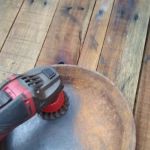
The first step in restoring cast iron is to remove any rust, dirt, or old seasoning. For light rust, you can use steel wool or a wire brush to scrub the surface. If the rust is more severe, you may need to use a chemical rust remover or place the piece in an oven-safe container with a rust-removing solution. Be sure to wear gloves and work in a well-ventilated area.
Step 2: Removing Old Seasoning
Over time, cast iron cookware develops a layer of seasoning—a built-up layer of oil that creates a non-stick surface. If the seasoning is old, cracked, or sticky, it will need to be removed before re-seasoning. You can strip the old seasoning by using an oven cleaner or by placing the cast iron in the oven at a high temperature to burn off the old layers.
Step 3: Repairing Cracks and Chips
Minor chips and cracks can often be repaired with epoxy designed for high temperatures. Apply the epoxy to the damaged areas, follow the manufacturer's instructions, and allow it to cure properly. Be sure to check that the piece is stable before proceeding to the next step.
Step 4: Seasoning the Cast Iron
Once the piece is clean and repaired, it’s time to re-season the cast iron. Coat the surface with a thin layer of vegetable oil, flaxseed oil, or lard. Place the cookware upside down in an oven preheated to around 450°F (230°C) for an hour. This process should be repeated 2-3 times to build up a strong, durable seasoning layer that will provide a non-stick surface and protect the cast iron from rust.
3. Tools and Materials Needed for Cast Iron Restoration
To restore vintage cast iron cookware effectively, you’ll need the following tools and materials:
- Steel Wool or Wire Brush: Used for scrubbing rust and dirt off the surface of the cast iron.
- Rust Remover: Chemical rust removers or natural solutions like vinegar for removing stubborn rust.
- Oven Cleaner: For stripping away old seasoning layers if necessary.
- Epoxy: High-temperature epoxy to repair cracks and chips in the cast iron.
- Oil for Seasoning: Vegetable oil, flaxseed oil, or lard for creating the seasoning layer on the cast iron.
- Protective Gloves: To protect your hands while using chemicals or hot tools.
- Oven or Heat Source: For curing the seasoning layers and drying the cast iron.
Having the right tools and materials will ensure that your restoration project is successful and that your vintage cast iron is brought back to life properly.
4. Common Issues in Vintage Cast Iron and How to Fix Them
Vintage cast iron cookware often comes with unique challenges. Below are some common issues found in vintage pieces and how to address them:
1. Rust
Rust is one of the most common issues in vintage cast iron cookware. To remove rust, use a combination of steel wool and a rust remover. If the rust is extensive, you may need to resort to a more aggressive method, such as using an electrolysis bath or a sandblasting service.
2. Uneven Seasoning
If the seasoning is uneven or sticky, it can affect the non-stick properties of the cast iron. To fix this, strip the old seasoning using oven cleaner or heat, then re-season the cookware following the steps mentioned earlier.
3. Cracks and Chips
Cracks and chips may happen over time, especially with antique pieces. Minor damage can be repaired using high-temperature epoxy or other specialized cast iron repair products. For larger cracks, it may be necessary to seek professional repair services, though small chips can be restored at home with patience and care.
4. Rough Surface
If the surface of the cast iron is rough, it can be smoothed using a metal file or a grinder. However, be careful not to remove too much material. Once smooth, re-season the piece to restore its cooking surface.
5. Real Life Case Study: Restoration of a Vintage Cast Iron Skillet
In one case, a collector named Sarah found an old cast iron skillet at a yard sale. The skillet had a significant amount of rust, chipped seasoning, and some minor cracks. Rather than discard the piece, she decided to restore it herself.
Sarah began by scrubbing the skillet with steel wool and a vinegar solution to remove the rust. She then stripped off the old seasoning with oven cleaner, filling in the chips with high-temperature epoxy. After several layers of seasoning, the skillet looked brand new. The restoration not only brought the skillet back to life but also added a unique story to its history.
This case highlights the satisfaction of restoring a vintage piece and the potential to turn something old into something functional and beautiful once again. Whether you're an avid collector or just appreciate vintage craftsmanship, restoring cast iron is a gratifying process that can yield amazing results.
If you're looking to start your own restoration project or need advice on cast iron care, visit Cast Iron Restoration for expert tips, product recommendations, and more resources to help you bring your vintage cast iron pieces back to life.



 Bennett Construction LLC5.0 (3 reviews)
 American Bathroom Remodelers5.0 (29 reviews)
 Pro bathtub refinishing5.0 (33 reviews)
 Modern Builders and Design5.0 (110 reviews)
 Bathtub Magic, LLC5.0 (4 reviews)
 ReNew Home Remodeling5.0 (20 reviews)
 How to Refurbish a Cast Iron Skillet at Home: A Complete Guide
 Best Products for Cast Iron Restoration Service: Top Tools and Products
 Simple At-Home Techniques for Cast Iron Restoration | Restore Your Cookware
 How to Restore Cast Iron at Home | A Complete Guide for Beginners
 How Long Does Cast Iron Skillet Refinishing Take? Realistic Timeline for Restoration
 What to Avoid When Attempting Cast Iron Refinishing: Common Mistakes to Watch Out For