
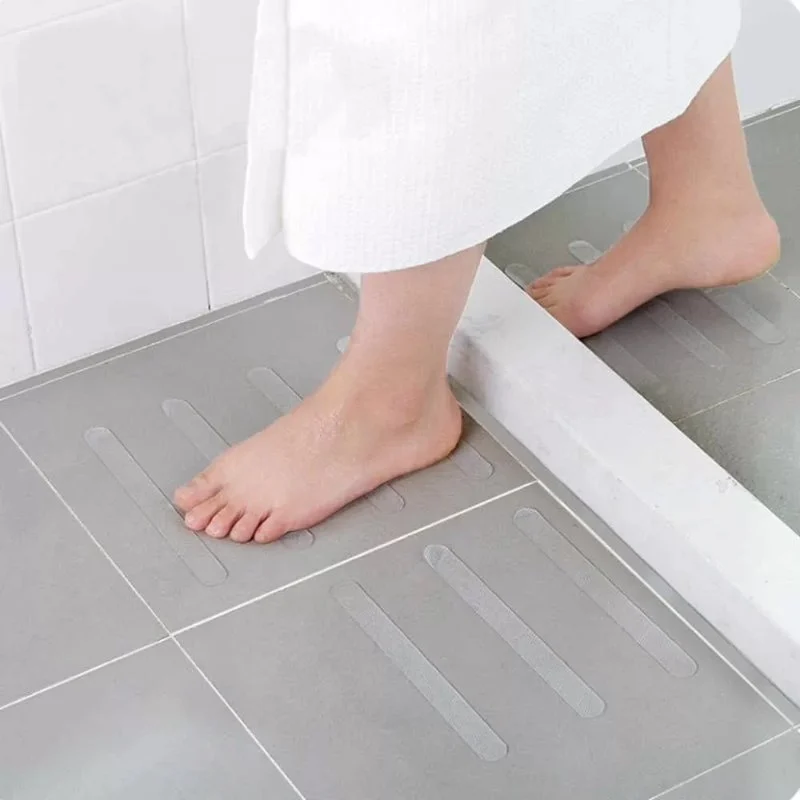
The Science of Non-Slip Flooring and How It Reduces Bathroom Accidents
When it comes to bathroom safety, one of the most crucial elements is the flooring. Non-slip flooring is designed to prevent slips and falls, a common cause of injury in the bathroom. Understanding how non-slip flooring works and why it's essential can help you make informed decisions when choosing the right flooring for your home. In this article, we’ll explore the science behind non-slip flooring, its benefits, and how it reduces bathroom accidents.
Miracle Method Surface Refinishing / miracle bathtub refinishing
Santa RosaSonoma CountyCalifornia
3200 Dutton Ave Suite #325, Santa Rosa, CA 95407, USA
1. Understanding Non-Slip Flooring
Non-slip flooring, often referred to as slip-resistant flooring, is designed with texture or materials that enhance grip, preventing a person from losing their footing. This type of flooring is essential in areas where moisture is common, such as bathrooms, kitchens, and pool areas, where water can make floors slippery and dangerous.
1.1 How Does Non-Slip Flooring Work?
The effectiveness of non-slip flooring depends on several factors, including surface texture, material composition, and the presence of coatings or treatments. The main science behind non-slip flooring is to increase the friction between the floor surface and the soles of your shoes or bare feet. Floors with rough textures or those that have a higher coefficient of friction will naturally offer more grip. Some non-slip floors are also treated with special coatings to further increase their resistance to water and moisture.
2. Why Non-Slip Flooring Is Essential for Bathroom Safety
The bathroom is one of the most common places where falls occur in the home. Wet surfaces, combined with slippery tiles or smooth flooring, can lead to dangerous accidents. Non-slip bathroom flooring is critical for preventing these injuries. Whether you're stepping out of the shower or cleaning the floor, having the right flooring can significantly reduce the risk of slipping and falling.
2.1 Statistics on Bathroom Slips and Falls
According to the Centers for Disease Control and Prevention (CDC), more than one in four older adults fall each year, and a significant number of these falls happen in the bathroom. The combination of water, soap, and hard surfaces makes bathrooms particularly prone to accidents. Non-slip flooring helps mitigate these risks, particularly for children, elderly individuals, and anyone with mobility challenges.
2.2 Key Benefits of Non-Slip Bathroom Flooring
- Reduces Injury Risks: Non-slip flooring significantly lowers the likelihood of slips and falls in wet conditions.
- Increased Safety for All Ages: Non-slip floors are especially beneficial in households with young children and elderly adults.
- Easy to Clean: Many non-slip bathroom floors are designed to be both durable and easy to maintain, ensuring long-term safety and cleanliness.
- Variety of Options: Non-slip flooring comes in a variety of materials, including tiles, vinyl, and rubber, giving you flexibility in design.
3. Types of Non-Slip Flooring Materials
There are several types of non-slip flooring materials available, each offering different benefits depending on your bathroom's needs. Some materials are naturally slip-resistant, while others are treated to provide extra grip. Here are a few popular options for non-slip bathroom floors:
3.1 Textured Tiles
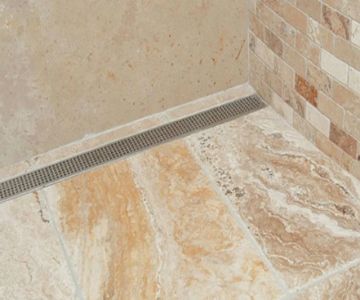
Textured ceramic or porcelain tiles are a popular choice for bathroom floors. The rough surface provides additional grip, which is crucial in wet areas. Many textured tiles are also water-resistant, making them ideal for bathroom use.
3.2 Slip-Resistant Vinyl
Vinyl is another excellent option for non-slip bathroom floors. Many vinyl flooring options are designed with textured surfaces or come with a slip-resistant coating. Vinyl is durable, easy to clean, and offers good traction underfoot, making it a safe and affordable choice for bathroom floors.
3.3 Rubber Flooring
Rubber flooring is another highly effective non-slip option. It is naturally slip-resistant, even when wet. Rubber flooring is commonly used in both residential and commercial bathrooms for its durability and excellent traction. It’s also soft underfoot, providing comfort as well as safety.
3.4 Anti-Slip Bath Mats
In addition to choosing non-slip flooring, you can also use anti-slip bath mats. These mats are designed to be placed in the shower or on the floor near bathtubs to provide additional grip and cushioning. While not a substitute for non-slip flooring, bath mats can offer added safety.
4. How to Choose the Right Non-Slip Flooring for Your Bathroom
Choosing the right non-slip flooring for your bathroom depends on several factors, including budget, style, and the specific needs of your family. Consider the following when selecting your flooring:
4.1 Budget Considerations
While non-slip flooring options vary in price, there are options for every budget. Rubber and vinyl floors tend to be more affordable, while high-end textured tiles may require a larger investment. Be sure to balance cost with the long-term benefits of safety and durability.
4.2 Aesthetic Preferences
Non-slip flooring comes in many styles and colors, so you don’t have to sacrifice aesthetics for safety. Whether you prefer a sleek, modern look or a more traditional design, there are non-slip options that fit your bathroom’s style.
4.3 Installation and Maintenance
Consider the installation process and long-term maintenance requirements when choosing non-slip flooring. Some materials, like vinyl, are easy to install and maintain, while others, like textured tiles, may require more professional installation. Be sure to choose a material that fits your lifestyle and maintenance preferences.
5. Conclusion
Non-slip flooring is a crucial component in creating a safe bathroom environment, especially in households with young children or elderly family members. By understanding the science behind slip-resistant surfaces and selecting the right materials, you can significantly reduce the risk of bathroom accidents. Whether you choose textured tiles, vinyl, or rubber, the right non-slip flooring can make your bathroom safer and more functional.
For expert advice on choosing and installing non-slip flooring, visit Cast Iron Restoration to explore our wide range of products and services tailored to your needs.

 White Tub Refinishing4.0 (73 reviews)
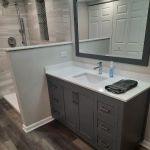 BBC Construction & Remodeling Inc4.0 (16 reviews)
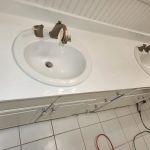 Ekoglaze5.0 (169 reviews)
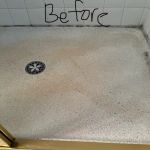 Surface Specialists4.0 (116 reviews)
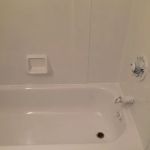 UR Bathtub Resurface0.0 (0 reviews)
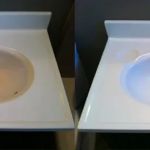 Refinishing Kansas City0.0 (0 reviews)
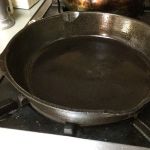 How to Refurbish a Cast Iron Skillet at Home: A Complete Guide
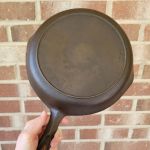 Best Products for Cast Iron Restoration Service: Top Tools and Products
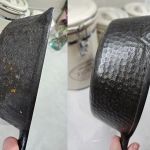 Simple At-Home Techniques for Cast Iron Restoration | Restore Your Cookware
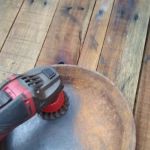 How to Restore Cast Iron at Home | A Complete Guide for Beginners
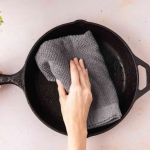 How Long Does Cast Iron Skillet Refinishing Take? Realistic Timeline for Restoration
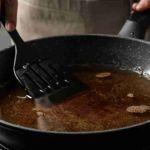 What to Avoid When Attempting Cast Iron Refinishing: Common Mistakes to Watch Out For