
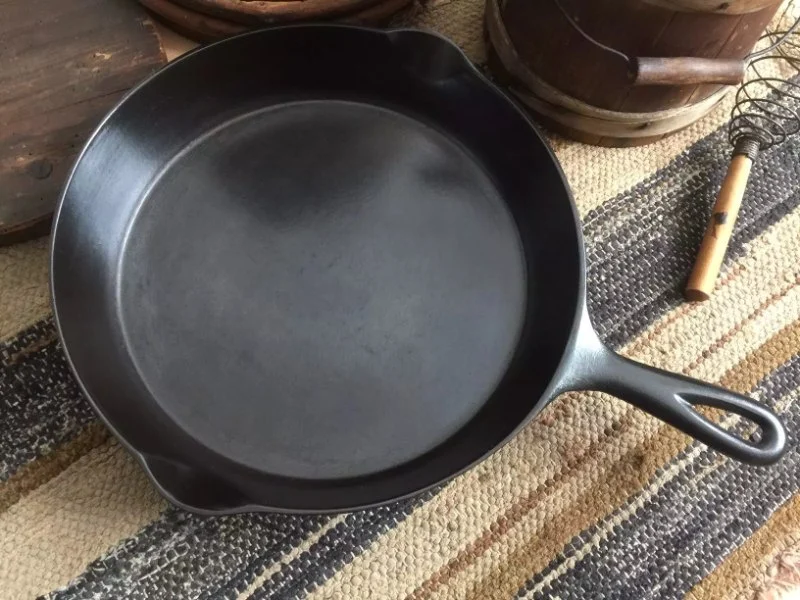
Is It Safe to Use Vintage Cast Iron Cookware?
- 1. Introduction to Vintage Cast Iron Cookware
- 2. The History of Cast Iron Cookware
- 3. Is Vintage Cast Iron Safe to Use?
- 4. How to Care for Vintage Cast Iron Cookware
- 5. Restoring Vintage Cast Iron Cookware
1. Introduction to Vintage Cast Iron Cookware
Cast iron cookware has been a staple in kitchens for centuries. Its durability, heat retention, and ability to improve with use make it a favorite for many home cooks. Vintage cast iron cookware, often passed down through generations, holds a special place in many kitchens. However, with age comes the question: Is it safe to use vintage cast iron cookware? The answer lies in the condition of the cookware, its maintenance, and the presence of any damage or wear that may affect its safety.
2. The History of Cast Iron Cookware
Cast iron cookware dates back to ancient China and was later popularized in Europe during the 17th century. American cast iron cookware, particularly skillets and Dutch ovens, became commonplace in the 19th century and have remained a staple in kitchens ever since. Over time, vintage cast iron cookware has become sought-after, with many collectors looking for well-seasoned pans that have developed a rich patina and are known for their superior cooking capabilities.
3. Is Vintage Cast Iron Safe to Use?
Vintage cast iron cookware can be safe to use, but there are a few considerations to keep in mind. Here are the main points to determine if it is safe:
- Cracks or Chips: Inspect your cookware for any cracks, chips, or significant wear. These imperfections can compromise the integrity of the pan and pose a safety risk during cooking.
- Lead or Other Contaminants: Some older cast iron cookware may have been coated with lead-based paints or other harmful materials. While this is less common today, it’s important to check if the cookware has any markings or coatings that may contain toxic materials. Vintage pieces made before the 1960s may pose a higher risk.
- Rust: Rust on cast iron is common, especially with vintage pieces. While rust doesn’t inherently make the pan unsafe, it can affect the flavor of your food and create a rough cooking surface. However, rust is easy to remove with the right cleaning techniques.
4. How to Care for Vintage Cast Iron Cookware
Proper care is crucial to maintaining the safety and functionality of your vintage cast iron cookware. Here are a few tips for taking care of your vintage pieces:
- Cleaning: After each use, clean your cast iron cookware with warm water and a stiff brush. Avoid soap, as it can strip the seasoning. If needed, use a gentle scrub with coarse salt to remove stuck-on food.
- Drying: Always dry your cast iron cookware thoroughly after cleaning. This prevents rust from forming. You can dry it on the stove over low heat or towel dry it and place it back on the stovetop for a few minutes.
- Seasoning: Re-season your cookware periodically to maintain a non-stick surface. Coat it with a thin layer of vegetable oil or flaxseed oil, then heat it in the oven at 350°F for an hour. This process helps preserve the cooking surface and prevents rust.
5. Restoring Vintage Cast Iron Cookware
If your vintage cast iron cookware is rusty or in poor condition, restoration may be possible. Many people choose to restore old pieces to their former glory, making them functional once again. Here’s how you can restore your vintage cookware:
- Removing Rust: To remove rust, use a mixture of steel wool and an abrasive cleaner or a vinegar-water soak. For severe rust, you may need to use a power sander to smooth out the surface.
- Re-seasoning: After cleaning and restoring the surface, you’ll need to re-season your cookware to build up a protective coating that prevents rust and creates a non-stick surface.
- Ensuring Safety: If your vintage cast iron is not too damaged, you can continue using it with proper care. If you're unsure about its safety, you may want to consult with a professional to check for any hidden risks.
With proper care, vintage cast iron cookware can last for generations, providing an excellent cooking experience. If your piece is in good condition and free from major issues like cracks or rust, using it is safe and can bring an added layer of nostalgia to your cooking. Whether you’re restoring an old family heirloom or simply bringing an old piece back to life, the timeless appeal of cast iron is undeniable.




 AAP Inc Construction and Renovation5.0 (3 reviews)
 Bath Fitter4.0 (496 reviews)
 Home Services Direct Inc.4.0 (24 reviews)
 MF Bathtub Refinishing & Painting5.0 (2 reviews)
 Ham's Home Improvements4.0 (47 reviews)
 Pacific Reglazing, Inc.3.0 (30 reviews)
 How to Refurbish a Cast Iron Skillet at Home: A Complete Guide
 Best Products for Cast Iron Restoration Service: Top Tools and Products
 Simple At-Home Techniques for Cast Iron Restoration | Restore Your Cookware
 How to Restore Cast Iron at Home | A Complete Guide for Beginners
 How Long Does Cast Iron Skillet Refinishing Take? Realistic Timeline for Restoration
 What to Avoid When Attempting Cast Iron Refinishing: Common Mistakes to Watch Out For