
- 1. Why Test for Asbestos and Lead Paint Before Remodeling?
- 2. Understanding Asbestos and Lead Paint
- 3. Methods for Testing Asbestos in Your Bathroom
- 4. Methods for Testing Lead Paint in Your Bathroom
- 5. What to Do if You Find Asbestos or Lead Paint
- 6. Safety Precautions and When to Call a Professional
- 7. Where to Find Asbestos and Lead Paint Testing Kits
1. Why Test for Asbestos and Lead Paint Before Remodeling?
Before you begin remodeling an older bathroom, it’s crucial to test for hazardous materials like asbestos and lead paint. These substances, commonly found in homes built before the 1980s, can pose significant health risks, particularly when disturbed during renovation projects.
Asbestos fibers, when inhaled, can lead to severe lung conditions such as mesothelioma or asbestosis, while lead paint is especially dangerous to young children and pregnant women, potentially causing developmental issues, poisoning, and other health concerns. Ensuring that these materials are handled safely or removed properly is not just a matter of personal safety but is also required by law in many areas.

Miracle Method Surface Refinishing / miracle bathtub refinishing
Santa RosaSonoma CountyCalifornia
3200 Dutton Ave Suite #325, Santa Rosa, CA 95407, USA
2. Understanding Asbestos and Lead Paint
Asbestos and lead paint were commonly used in building materials and home finishes due to their durability and fire-resistant properties. However, both are now known to be highly toxic and are no longer used in modern construction. Here’s a breakdown of each substance and where you might find them in an older bathroom:

Surface Specialists of South Central MN / surface specialists mn
MankatoBlue Earth CountyMinnesota
436 Lyd Blvd, Mankato, MN 56001, USA
2.1. Asbestos
Asbestos was often used in bathroom materials like floor tiles, insulation, and ceiling materials due to its heat resistance. It can be found in older vinyl flooring, caulking, and pipe insulation. Asbestos poses a danger when disturbed, as the fibers can become airborne and easily inhaled.
2.2. Lead Paint
Lead-based paint was widely used in homes until it was banned in 1978. Bathrooms, with their high humidity levels, are prime candidates for lead paint exposure as the paint may deteriorate or peel over time. The dust or chips from lead paint can be hazardous, especially to children.
3. Methods for Testing Asbestos in Your Bathroom
If you suspect your bathroom contains asbestos, it’s important to get it tested before starting any demolition or renovation work. Here are the common methods for testing for asbestos:
3.1. DIY Asbestos Test Kits
DIY asbestos test kits are available for homeowners looking to test materials in their homes. These kits typically require you to collect a sample of the material suspected to contain asbestos, such as floor tiles or insulation, and send it to a laboratory for analysis. While DIY kits can be convenient, they may not always be as reliable as professional testing.
3.2. Hiring a Professional Asbestos Inspector
For the most accurate results, hiring a professional asbestos inspector is the best option. These experts can perform thorough inspections and testing in your home. A licensed professional will follow safety protocols to collect samples safely, reducing the risk of exposure to asbestos fibers.
3.3. Lab Testing
If you collect a sample yourself, the test kit will typically direct you to send it to a certified laboratory. The lab will use advanced techniques such as polarized light microscopy (PLM) to detect asbestos fibers. Results typically take a few days to come back, and if asbestos is detected, you will be provided with a detailed report.
4. Methods for Testing Lead Paint in Your Bathroom
Testing for lead paint in your bathroom is crucial to prevent exposure to dangerous lead dust. Here are the common methods for testing lead paint:
4.1. DIY Lead Test Kits
Lead test kits are widely available and allow homeowners to check for lead in their paint. These kits typically involve rubbing a chemical swab onto the painted surface, which changes color if lead is present. While these kits are simple to use, they may not be as accurate or reliable as professional testing.
4.2. X-ray Fluorescence (XRF) Testing
For a more precise test, X-ray Fluorescence (XRF) is a non-invasive method used by professionals to detect lead in paint. This device sends X-rays onto the surface, and based on the response, it can determine whether lead is present and in what quantity. XRF testing is fast and doesn’t require sample removal, making it a popular choice for lead paint testing.
4.3. Lab Analysis
If you are using a sample to test for lead, the sample will need to be sent to a certified laboratory for analysis. The lab will use techniques like Atomic Absorption Spectroscopy to determine if the paint contains lead. This method is highly accurate but can take several days to return results.
5. What to Do if You Find Asbestos or Lead Paint
If testing reveals the presence of asbestos or lead paint in your bathroom, it's important to take the proper steps to address the issue:
5.1. Do Not Disturb the Material
Asbestos and lead paint can be dangerous when disturbed. Avoid scraping, sanding, or cutting any materials suspected of containing these substances. Disturbing the material can release harmful particles into the air, increasing the risk of exposure.
5.2. Contact a Professional for Removal
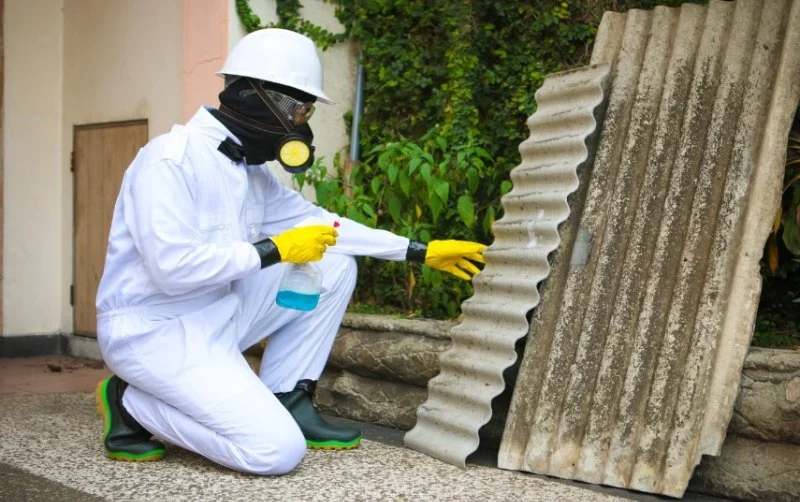
Removing asbestos or lead paint from your home is a job best left to the professionals. Certified asbestos abatement contractors and lead paint removal experts have the necessary equipment, training, and certifications to safely remove these hazardous materials and dispose of them properly.
6. Safety Precautions and When to Call a Professional
Safety should always be the top priority when handling asbestos or lead paint. Here are some key safety precautions:
6.1. Wear Protective Gear
If you must handle or disturb materials suspected to contain asbestos or lead paint, make sure to wear protective gear, such as a mask with a HEPA filter, gloves, and protective clothing. This will minimize your exposure to harmful particles.
6.2. Ventilate the Area
Ensure proper ventilation in the area where you are working. This will help reduce the concentration of harmful particles in the air. Open windows and use fans to direct the air outside the home.
6.3. When to Call a Professional
If you find asbestos or lead paint and are unsure about how to proceed, it’s best to call a professional. They have the expertise and equipment to safely test, remove, and dispose of these dangerous materials. It’s always better to err on the side of caution when dealing with hazardous substances.
7. Where to Find Asbestos and Lead Paint Testing Kits
If you prefer to test for asbestos or lead paint yourself, you can find reliable testing kits from various retailers, including hardware stores and online platforms. For the most accurate and safe results, consider purchasing testing kits from reputable sources like Cast Iron Restoration, which offers a selection of high-quality testing kits and professional services to ensure your bathroom remodel is safe and compliant.


 RSI - Redesigning Surfaces Inc5.0 (7 reviews)
 SURFACEERASER.COM5.0 (26 reviews)
 A and F Ramirez Construction5.0 (24 reviews)
 Ocean Life Construction3.0 (1 reviews)
 Avalon Construction & Design4.0 (26 reviews)
 Miracle Method Surface Refinishing - Chesterfield5.0 (15 reviews)
 How to Refurbish a Cast Iron Skillet at Home: A Complete Guide
 Best Products for Cast Iron Restoration Service: Top Tools and Products
 Simple At-Home Techniques for Cast Iron Restoration | Restore Your Cookware
 How to Restore Cast Iron at Home | A Complete Guide for Beginners
 How Long Does Cast Iron Skillet Refinishing Take? Realistic Timeline for Restoration
 What to Avoid When Attempting Cast Iron Refinishing: Common Mistakes to Watch Out For