
DIY Methods for Vintage Cast Iron Cookware Restoration
- 1. Introduction: Why Restore Your Vintage Cast Iron?
- 2. Essential Tools and Materials for Restoration
- 3. Step-by-Step Cleaning of Vintage Cast Iron
- 4. How to Properly Season Your Cast Iron
- 5. Extra Tips for Long-Term Care
- 6. Conclusion: Bring Your Vintage Cast Iron Back to Life
1. Introduction: Why Restore Your Vintage Cast Iron?
Cast iron cookware is known for its durability and versatility, making it a staple in many kitchens. Vintage cast iron pieces, in particular, can be a real treasure, often passed down through generations or discovered at antique shops. However, over time, these pieces can lose their luster and functionality. If you own a vintage cast iron skillet, pot, or pan, restoring it not only revives its appearance but also improves its cooking performance. Plus, restoring cast iron is a cost-effective way to reclaim a quality cooking tool.

Miracle Method of Tempe / miracle method of tempe
1635 W University Dr UNIT 126, Tempe, AZ 85281, USA
2. Essential Tools and Materials for Restoration
Before you start restoring your vintage cast iron, it's important to gather the necessary tools and materials. Here’s what you’ll need:
- Steel Wool or Wire Brush: For heavy cleaning and removing rust or old seasoning.
- Cast Iron Cleaner or Degreaser: To help remove any remaining residue or grime.
- Flaxseed Oil or Vegetable Oil: For seasoning the cast iron after cleaning.
- Oven or Grill: For properly seasoning the cast iron.
- Rubber Gloves and Rags: To protect your hands and for wiping down your cookware.
3. Step-by-Step Cleaning of Vintage Cast Iron
Cleaning your vintage cast iron cookware is the first step in restoring its functionality and appearance. Here's a simple, effective method to get started:
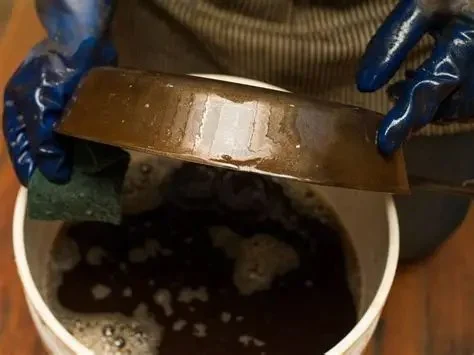
- Remove Old Seasoning: Start by using steel wool or a wire brush to scrub off any rust, old seasoning, or grease. This will help you get back to the raw cast iron surface. You may need to apply a cast iron cleaner or degreaser for stubborn spots.
- Wash the Cast Iron: After scrubbing, wash your cast iron with warm water and a mild dish soap (a step that's typically avoided for regular use). This will ensure all the debris is gone.
- Dry Thoroughly: To prevent further rusting, dry your cast iron immediately after washing. You can dry it on the stove over low heat or with a clean cloth.
4. How to Properly Season Your Cast Iron
Seasoning your cast iron is crucial for creating a non-stick surface and protecting it from rust. Here's how to properly season your cookware:
- Apply Oil: Use a thin layer of flaxseed oil or vegetable oil. Rub the oil all over the cookware, including the inside, outside, and handle.
- Bake the Cast Iron: Place the cookware upside down in the oven with a piece of aluminum foil on the rack below to catch any drips. Bake at 450°F (232°C) for about an hour. This high heat allows the oil to bond to the cast iron.
- Repeat the Process: For optimal seasoning, repeat the oiling and baking process 3 to 4 times. The more layers of seasoning, the better the performance of your cookware.
5. Extra Tips for Long-Term Care
To maintain your vintage cast iron cookware and ensure it lasts for many more years, follow these care tips:
- Avoid Soap: After seasoning, it's best to avoid soap when cleaning cast iron. Instead, clean it with warm water and a soft brush. If needed, scrub gently with salt.
- Re-season as Needed: If your cast iron starts to lose its non-stick surface or show signs of rust, re-season it by following the steps above.
- Store Properly: To prevent moisture from causing rust, store your cast iron in a dry place. If necessary, place a paper towel inside to absorb any moisture.
6. Conclusion: Bring Your Vintage Cast Iron Back to Life
Restoring vintage cast iron cookware is a rewarding DIY project that brings both practical and sentimental value. By properly cleaning and seasoning your cast iron, you’ll not only preserve its history but also ensure it continues to provide excellent cooking results. Whether you’re restoring an antique family heirloom or finding a hidden gem at a flea market, following these restoration tips will help you bring your cast iron cookware back to life for years to come.
For more information or to purchase the best tools and supplies for restoring your cast iron, visit Cast Iron Restoration.




 Hi-Tech Builders Dor Inc4.0 (46 reviews)
 Teixeira Construction Remodel Inc4.0 (41 reviews)
 Creations Construction & Remodeling5.0 (28 reviews)
 Benjamin Drywall and Painting Llc5.0 (2 reviews)
 Re-Bath4.0 (240 reviews)
 Sage Construction Company5.0 (94 reviews)
 How to Refurbish a Cast Iron Skillet at Home: A Complete Guide
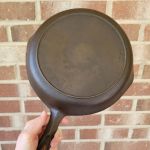 Best Products for Cast Iron Restoration Service: Top Tools and Products
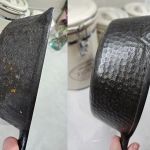 Simple At-Home Techniques for Cast Iron Restoration | Restore Your Cookware
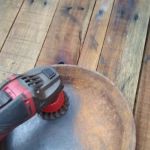 How to Restore Cast Iron at Home | A Complete Guide for Beginners
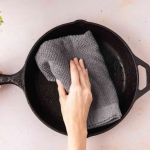 How Long Does Cast Iron Skillet Refinishing Take? Realistic Timeline for Restoration
 What to Avoid When Attempting Cast Iron Refinishing: Common Mistakes to Watch Out For