
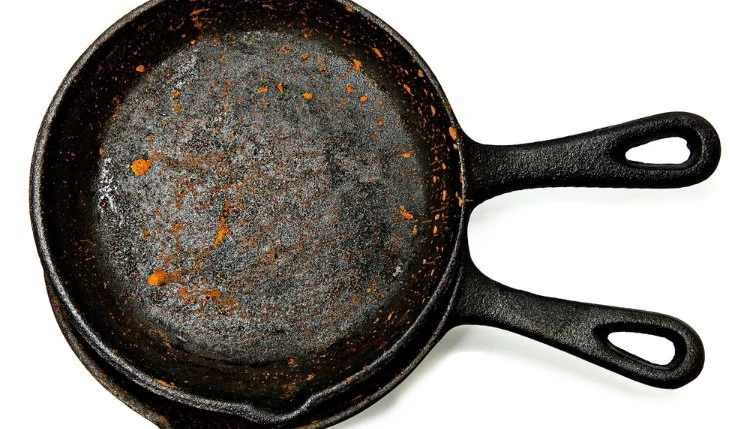
How to Identify and Restore Vintage Cast Iron
- 1- Why Restore Cast Iron?
- 2- How to Identify Vintage Cast Iron
- 3- Steps to Restore Cast Iron
- 4- Maintaining Restored Cast Iron
- 5- Common Mistakes to Avoid When Restoring Cast Iron
Cast iron pieces, especially vintage ones, are not only functional but also serve as beautiful, long-lasting heirlooms. Whether it’s a cast iron skillet passed down through generations or a vintage cast iron stove, restoring these treasures requires both care and attention to detail. In this guide, we’ll cover how to identify and restore old cast iron, from recognizing its origins to bringing back its original beauty. Let’s dive in!

Miracle Method Surface Refinishing / miracle method boulder
Santa RosaSonoma CountyCalifornia
3200 Dutton Ave Suite #325, Santa Rosa, CA 95407, USA
1- Why Restore Cast Iron?
Restoring vintage cast iron is more than just a way to bring back a beautiful piece of cookware or furniture – it’s about preserving history. These durable items often have decades, if not centuries, of history, and their restoration can provide you with a high-performing, aesthetically pleasing piece that will last for many more years. Whether you’re an avid collector, a home cook, or simply someone looking to bring back the charm of an old family heirloom, restoring cast iron is a rewarding process.
2- How to Identify Vintage Cast Iron
Identifying vintage cast iron requires more than just inspecting its appearance. Here’s how to determine whether your piece is a valuable antique or simply an older item:
- Check the manufacturer’s mark: Many vintage cast iron pieces will have a logo or brand name stamped into the metal. Well-known brands like Griswold, Wagner, and Lodge are commonly sought after.
- Look for a unique design: Antique cast iron often features intricate or detailed designs, reflecting the craftsmanship of the period.
- Examine the weight: Vintage cast iron tends to be heavier and thicker than modern versions. This is due to the older manufacturing processes.
- Observe the color and texture: A worn, silvery or grayish color often indicates age, while rough textures and pitting are signs of older cast iron.
3- Steps to Restore Cast Iron
Restoring cast iron requires patience and care. Here’s a step-by-step guide to help you through the process:
- Clean the Cast Iron: Start by removing all rust and old seasoning. You can use a wire brush, steel wool, or sandblasting for heavily rusted pieces. For less damage, a gentle cleaning with soapy water can work.
- Season the Cast Iron: After cleaning, apply a thin layer of vegetable oil or flaxseed oil to the entire surface of the cast iron. Bake the item in the oven at 350°F for an hour to create a durable, non-stick coating.
- Repair Cracks: If there are cracks in your cast iron, it’s best to fill them with a high-temperature repair epoxy. This will prevent further damage and restore the piece’s integrity.
- Polish and Smooth: After seasoning, if necessary, you can polish the surface using fine-grit sandpaper to remove any rough spots or imperfections.
4- Maintaining Restored Cast Iron
Once you’ve restored your cast iron, it’s important to maintain it properly to ensure its longevity:
- Keep it dry: Avoid leaving cast iron in a wet environment to prevent rusting. Always dry the piece thoroughly after cleaning.
- Re-season periodically: Re-seasoning your cast iron every few uses will help maintain its non-stick surface and prevent rust buildup.
- Avoid cooking acidic foods: Acidic foods, such as tomatoes, can strip away the seasoning layer. Use cast iron for searing, frying, and baking rather than for acidic-based recipes.
5- Common Mistakes to Avoid When Restoring Cast Iron
While restoring cast iron is a rewarding task, there are some common pitfalls to avoid:
- Over-scrubbing: Overzealous cleaning can remove essential seasoning and damage the surface of the cast iron. Be gentle when cleaning it.
- Improper seasoning: Too much oil or baking at too high of a temperature can cause the seasoning to become sticky or uneven.
- Using soap regularly: Soap can break down the seasoning layer. Only use mild soap when necessary, and avoid it for regular cleaning.
If you have an old piece of cast iron that you’d like to restore, following these tips will help you bring it back to life and preserve it for generations to come. For tools and products designed to make your restoration process easier, visit Cast Iron Restoration for the best selection of restoration tools and supplies!





 Bravo Carpentry Kitchen Remodeling Contractor5.0 (3 reviews)
 M.H Craftsmanship5.0 (19 reviews)
 M G BATHTUB REPAIR5.0 (5 reviews)
 Fiber Pro5.0 (8 reviews)
 Restore Plumbing and Drain4.0 (638 reviews)
 TraVek Remodeling & Roofing4.0 (343 reviews)
 How to Refurbish a Cast Iron Skillet at Home: A Complete Guide
 Best Products for Cast Iron Restoration Service: Top Tools and Products
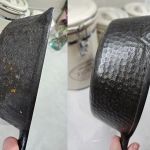 Simple At-Home Techniques for Cast Iron Restoration | Restore Your Cookware
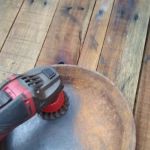 How to Restore Cast Iron at Home | A Complete Guide for Beginners
 How Long Does Cast Iron Skillet Refinishing Take? Realistic Timeline for Restoration
 What to Avoid When Attempting Cast Iron Refinishing: Common Mistakes to Watch Out For