
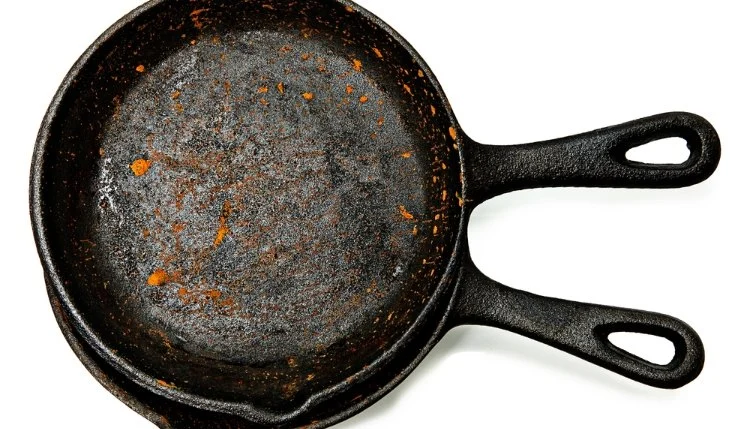
How to Identify and Restore Old Cast Iron: A Guide to Vintage Restoration
- 1. Understanding Cast Iron and Its Durability
- 2. How to Identify Vintage Cast Iron Pieces
- 3. Steps to Restore Old Cast Iron
- 4. Common Challenges in Restoring Cast Iron and How to Overcome Them
- 5. Why Restoring Cast Iron Is Worth the Effort
1. Understanding Cast Iron and Its Durability
Cast iron is one of the oldest and most durable materials used in cookware, furniture, and decorative items. Known for its ability to withstand high heat and provide even cooking, cast iron also boasts a unique aesthetic that makes it a popular choice for vintage enthusiasts. Over time, however, cast iron can rust or develop other forms of wear. Despite this, it remains a highly sought-after material because of its longevity when properly maintained.
Understanding the composition and qualities of cast iron is crucial before diving into restoration. Cast iron is made by melting iron ore and adding carbon. The material’s structure allows it to be extremely durable, but it can also be susceptible to corrosion when exposed to moisture or harsh conditions for extended periods.

Surface Specialists of South Central MN / surface specialists mn
MankatoBlue Earth CountyMinnesota
436 Lyd Blvd, Mankato, MN 56001, USA
2. How to Identify Vintage Cast Iron Pieces
Vintage cast iron pieces often come with unique markings and designs that help identify their age and origin. Here are some tips on how to spot vintage cast iron:

America Refinishing Pros / america refinishing pros
9510 SW 137th Ave, Miami, FL 33186, USA
1. Look for Manufacturer Marks
Most vintage cast iron cookware or items will have a manufacturer's mark or logo on the bottom or side. These can be a valuable clue in determining the piece's age and origin. Well-known brands like Griswold, Wagner, and Lodge have distinct logos that collectors often look for. Over time, these marks may wear down, but with some careful inspection, they can still be identified.
2. Check for Design Features
Vintage cast iron often features unique design elements, including intricate patterns or smoother finishes that reflect the craftsmanship of older pieces. The edges of older items may be sharper or have more defined lines compared to modern pieces, which can be a good indicator of age.
3. Assess the Weight
One characteristic of vintage cast iron is its substantial weight. Over time, cast iron manufacturing techniques have evolved, and modern pieces may be lighter compared to their older counterparts. If you pick up a piece and it feels heavier than expected, it could be a sign of vintage craftsmanship.
3. Steps to Restore Old Cast Iron
Restoring old cast iron can breathe new life into an item that’s both functional and aesthetically pleasing. Follow these steps for a successful restoration:
Step 1: Clean Off Rust and Debris
Use a wire brush or steel wool to remove loose rust and debris. For more stubborn rust, you may want to use a mixture of vinegar and water or a rust remover to soak the piece. After cleaning, rinse thoroughly and dry completely to prevent further rusting.
Step 2: Season the Cast Iron
Once cleaned, cast iron needs to be seasoned to restore its non-stick properties and prevent rust. Apply a thin layer of vegetable oil or shortening to the entire surface of the cast iron. Place the item in an oven preheated to 350°F for about an hour to allow the oil to bond with the surface, creating a protective layer.
Step 3: Repair Cracks (if necessary)
If your vintage cast iron piece has cracks, consider using cast iron repair putty or welding techniques to seal them. These repairs can restore the structural integrity of the piece, but ensure you follow the manufacturer’s instructions for any repair products to avoid further damage.
Step 4: Reapply Seasoning as Needed
Seasoning cast iron is an ongoing process. After your initial seasoning, you may need to reapply oil or seasoning coats regularly to maintain the surface and prevent rust from forming again. The more you use and care for your cast iron, the better its surface will become over time.
4. Common Challenges in Restoring Cast Iron and How to Overcome Them
Restoring cast iron can be a rewarding but challenging process. Some common issues include:
1. Rust That Won’t Come Off
If rust persists after cleaning, you may need to use more aggressive methods like using a sandblaster or soaking the item in a rust-removal solution for an extended period. Be sure to follow safety precautions when using harsh chemicals.
2. Uneven Seasoning
Uneven seasoning can occur if the oil isn’t applied evenly or the cast iron isn’t heated properly. To prevent this, make sure to apply a very thin coat of oil and bake the piece for an even, smooth finish.
3. Cracks and Damage
Cracks can sometimes be too deep to repair with simple methods. In these cases, professional restoration services may be required to address the issue properly and ensure the longevity of the cast iron item.
5. Why Restoring Cast Iron Is Worth the Effort
Restoring cast iron is a worthwhile investment for several reasons:
- Durability: Cast iron, when restored properly, can last for generations, making it a valuable asset for any home or kitchen.
- Unique Aesthetic: Vintage cast iron pieces have a unique, rustic appeal that modern materials simply can’t replicate. Restoring these items allows you to preserve their history while enjoying their beauty.
- Functional Value: Restored cast iron cookware, like skillets and Dutch ovens, can perform just as well as new models, often with better heat retention and a more natural non-stick surface.
For those passionate about vintage cast iron, the restoration process offers both an opportunity to preserve history and enhance the functionality of these timeless pieces. If you need expert advice or tools for cast iron restoration, visit Cast Iron Restoration for the best products and guidance to help you with your project.



 Re-Bath4.0 (184 reviews)
 Express Reface4.0 (24 reviews)
 S-Tile Bathroom Remodeling & Tiles5.0 (10 reviews)
 RMA Remodeling & Handyman’s LLC4.0 (17 reviews)
 A-1 Reglazing Inc.3.0 (12 reviews)
 New Vision Bathtub Refinishing Corporation5.0 (4 reviews)
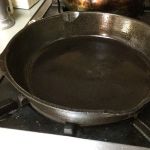 How to Refurbish a Cast Iron Skillet at Home: A Complete Guide
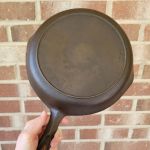 Best Products for Cast Iron Restoration Service: Top Tools and Products
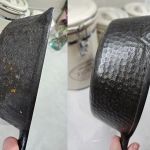 Simple At-Home Techniques for Cast Iron Restoration | Restore Your Cookware
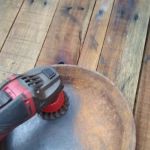 How to Restore Cast Iron at Home | A Complete Guide for Beginners
 How Long Does Cast Iron Skillet Refinishing Take? Realistic Timeline for Restoration
 What to Avoid When Attempting Cast Iron Refinishing: Common Mistakes to Watch Out For