
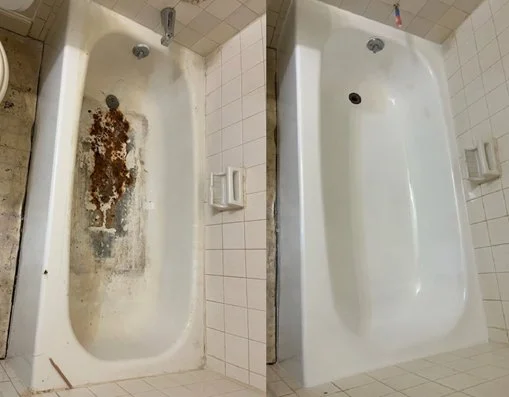
- 1-Introduction: Understanding Your Bathtub Options
- 2-How the Age of Your Bathtub Affects Your Decision
- 3-The Impact of Damage on Your Bathtub Choice
- 4-Budget Considerations: Refinishing vs Replacing
- 5-Pros and Cons of Refinishing and Replacing Your Bathtub
- 6-Case Study: A Homeowner’s Journey with Bathtub Renovation
- 7-Concluding Thoughts: Making the Right Choice for Your Bathtub
1-Introduction: Understanding Your Bathtub Options
When it comes to bathtub renovations, many homeowners face the common dilemma of whether to refinish their bathtub or replace it entirely. Both options have their advantages and challenges, but choosing the right solution depends on a few key factors: the age of your bathtub, the extent of damage it’s suffered, and your available budget.
In this article, we’ll explore the pros and cons of refinishing and replacing your bathtub, offering insights into how to make the best decision for your bathroom. Whether you’re dealing with minor wear and tear or significant damage, we’ll guide you through the factors that should influence your decision-making process.

Miracle Method Surface Refinishing / miracle tub refinishing
Santa RosaSonoma CountyCalifornia
3200 Dutton Ave Suite #325, Santa Rosa, CA 95407, USA
2-How the Age of Your Bathtub Affects Your Decision
The age of your bathtub plays a crucial role in deciding whether to refinish or replace it. If your bathtub is relatively new, refinishing may be a cost-effective option that restores its original beauty. However, for older bathtubs, replacing the fixture could be a better long-term solution.
1. Bathtubs Less Than 10 Years Old
If your bathtub is under 10 years old and shows only minor signs of wear, refinishing is often the best choice. Refinishing can restore the surface to like-new condition without the need for costly demolition or installation of a new tub.
2. Bathtubs Over 10 Years Old
For bathtubs older than 10 years, it’s essential to consider the overall condition of the tub. While refinishing can breathe new life into older tubs, they may have underlying issues that can’t be addressed with a simple surface treatment. If your bathtub is showing signs of rust, deep cracks, or other structural damage, replacement may be the better option.
3-The Impact of Damage on Your Bathtub Choice
Understanding the type and extent of damage to your bathtub is key to determining whether refinishing or replacing is the right decision. Here’s a breakdown of the most common bathtub issues and how they impact your choice:
1. Minor Scratches and Chips
If your bathtub has minor scratches or small chips, refinishing is usually an effective solution. Professional refinishing can restore the surface, making it look brand new without the need to replace the entire bathtub.
2. Rust and Stains
Rust and stubborn stains can often be cleaned or sanded away during the refinishing process. However, if the rust is extensive or has caused structural damage, a new bathtub may be necessary. Replacement ensures that you’ll have a fresh, rust-free tub that lasts for many more years.
3. Cracks and Structural Damage
Cracks in your bathtub can lead to water leakage, which can damage your floors and the surrounding area. In cases of deep cracks or significant structural issues, refinishing is not sufficient to fix the problem. Replacing your bathtub is often the best solution to avoid further damage and ensure the integrity of your bathroom.
4-Budget Considerations: Refinishing vs Replacing
Your budget is a critical factor in choosing between refinishing and replacing your bathtub. Refinishing is typically the more affordable option, but replacing your bathtub might offer long-term savings depending on the situation.
1. Cost of Refinishing
Bathtub refinishing is generally less expensive than replacing the tub. On average, refinishing costs range from $300 to $600, depending on the size of your tub and the type of finish you choose. It’s a quick and convenient way to restore your bathtub without major disruptions to your bathroom.
2. Cost of Replacement
Replacing your bathtub is a more expensive option. On average, the cost of replacing a bathtub can range from $1,000 to $5,000 or more, depending on the type of tub you choose, the complexity of installation, and whether plumbing modifications are needed. While this is a larger upfront cost, a new bathtub can provide long-term value if your current tub is old or damaged beyond repair.
5-Pros and Cons of Refinishing and Replacing Your Bathtub
Both refinishing and replacing your bathtub come with their own set of advantages and challenges. Here’s a breakdown to help you decide which option is right for you:
Refinishing Pros:
- Cost-effective, with a significantly lower price tag than replacement
- Quick process, typically taking only a few hours to complete
- Minimal disruption to your bathroom, as the existing tub stays in place
Refinishing Cons:
- May not address deeper structural issues
- Less durable than a new bathtub, with the potential for wear over time
- Limited to cosmetic improvements, not full replacements
Replacement Pros:
- Provides a brand-new bathtub with no risk of previous damage
- Offers a long-term solution with a durable, fully functional tub
- Opportunity to upgrade to a more modern, comfortable bathtub design
Replacement Cons:
- Higher upfront cost, including installation and potential plumbing modifications
- Longer process, often requiring a few days to complete
- Increased disruption, including the need to remove the old bathtub
6-Case Study: A Homeowner’s Journey with Bathtub Renovation
Let’s look at a real-life example of a homeowner named Sarah, who faced the decision of whether to refinish or replace her bathtub. Sarah’s bathtub was 15 years old, showing signs of wear with minor chips and rust around the edges. She initially considered refinishing but decided to replace the tub after a thorough inspection revealed that the rust had spread beneath the surface, causing structural damage. By replacing her bathtub, Sarah not only solved her immediate issues but also upgraded to a more modern tub that increased her home’s value.
This case illustrates how understanding the full extent of damage and the long-term value of your investment can lead to a more informed decision. While refinishing worked for some minor issues, replacement was the best option for Sarah’s needs.
7-Concluding Thoughts: Making the Right Choice for Your Bathtub
Choosing between refinishing and replacing your bathtub depends on several factors, including the age and condition of your tub, the extent of damage, and your budget. Refinishing is a great option for minor repairs and cosmetic improvements, but if your bathtub is old, structurally damaged, or no longer meets your needs, replacing it might be the better long-term solution.
Whatever you decide, it’s important to work with experienced professionals to ensure that your bathtub renovation is done right. For more information on bathtub refinishing and replacement options, visit Cast Iron Restoration for expert advice and services tailored to your needs.



 The Bathroom LLC4.0 (26 reviews)
 Lori K Bath Showroom5.0 (48 reviews)
 Atlantic Reglaze LLC3.0 (21 reviews)
 CM Painting & Contracting4.0 (33 reviews)
 Fears Construction featuring B Design5.0 (4 reviews)
 Bay State Remodeling4.0 (169 reviews)
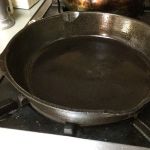 How to Refurbish a Cast Iron Skillet at Home: A Complete Guide
 Best Products for Cast Iron Restoration Service: Top Tools and Products
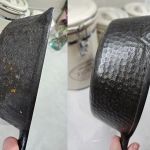 Simple At-Home Techniques for Cast Iron Restoration | Restore Your Cookware
 How to Restore Cast Iron at Home | A Complete Guide for Beginners
 How Long Does Cast Iron Skillet Refinishing Take? Realistic Timeline for Restoration
 What to Avoid When Attempting Cast Iron Refinishing: Common Mistakes to Watch Out For