
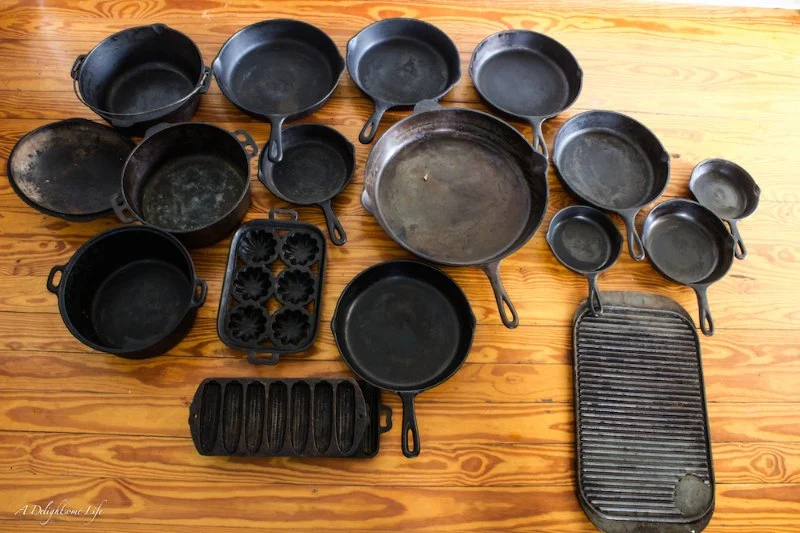
- How Professionals Handle Vintage Cast Iron Cookware
- The Importance of Seasoning for Vintage Cast Iron
- Cleaning Methods for Vintage Cast Iron
- Common Restoration Techniques Used by Professionals
- Maintaining and Preserving Your Vintage Cast Iron
How Professionals Handle Vintage Cast Iron Cookware
When it comes to vintage cast iron cookware, professionals are not only concerned with restoring its functionality but also maintaining its historical value. Vintage cast iron pans and skillets are often sought after for their durability, even heat distribution, and distinct character. However, caring for and restoring these timeless pieces requires special attention, as improper handling can lead to irreversible damage. In this guide, we explore how professionals manage vintage cast iron cookware, ensuring that each piece continues to serve its purpose while preserving its original charm.

Miracle Method Surface Refinishing / miracle tub refinishing
Santa RosaSonoma CountyCalifornia
3200 Dutton Ave Suite #325, Santa Rosa, CA 95407, USA
The Importance of Seasoning for Vintage Cast Iron
Seasoning is one of the most critical aspects of caring for cast iron cookware, particularly for vintage pieces. Seasoning refers to the process of applying a layer of oil or fat to the surface of the cast iron and heating it to create a natural, non-stick coating. This process not only prevents rust but also enhances the pan’s cooking performance.
Professionals recommend seasoning vintage cast iron cookware in a way that honors its patina and original seasoning. This involves using the right type of oil—such as flaxseed oil or vegetable oil—and heating the cookware at the proper temperature to achieve a solid, protective layer. The goal is to maintain the integrity of the cast iron while providing a smooth, functional cooking surface.
Cleaning Methods for Vintage Cast Iron
When it comes to cleaning vintage cast iron, professionals emphasize the importance of gentle methods to avoid damaging the cookware’s surface. Harsh cleaning methods, such as soaking in water for extended periods or using steel wool, can strip away the seasoning and cause rusting.
Here’s how professionals typically clean vintage cast iron:
- Warm Water and a Soft Brush: Always use warm water with a soft brush or sponge to scrub away any food residue. Avoid using soap, as it can break down the seasoning.
- Salt Scrub for Stubborn Food: If food is stuck, professionals often use coarse salt as an abrasive to remove residue without damaging the surface.
- Dry Immediately: After cleaning, it’s crucial to dry the cast iron immediately with a towel or by heating it on the stove to prevent rust formation.
Common Restoration Techniques Used by Professionals
Restoring vintage cast iron cookware can involve a few advanced techniques to bring old pieces back to life while preserving their functionality. Here are some common restoration techniques used by professionals:
- Rust Removal: If the cast iron has accumulated rust, professionals use a combination of vinegar and water to soak the pan, followed by scrubbing with steel wool to remove the rust. This process is done carefully to ensure the integrity of the cast iron.
- Re-seasoning: After restoring the cookware’s surface, professionals re-season the piece by applying several thin layers of oil and baking it at high heat to build up a fresh layer of seasoning.
- Polishing: If the cookware has lost its original luster, professionals might use fine sandpaper or a polishing tool to restore the surface’s smoothness, then re-season it for optimal results.
Maintaining and Preserving Your Vintage Cast Iron
Once restored, maintaining vintage cast iron cookware is essential for ensuring it lasts for generations. Here are a few professional tips for long-term care:
- Regular Seasoning: Even after restoration, it’s crucial to regularly season your vintage cast iron cookware to keep the surface non-stick and prevent rust.
- Avoid Soaking: Never soak cast iron in water for long periods, as this can lead to rusting. Always dry it thoroughly after washing.
- Proper Storage: Store your cast iron cookware in a dry, cool place. If storing it for a long time, consider placing a paper towel inside the pan to absorb any moisture and prevent rust.
By following these professional tips and restoration techniques, you can ensure your vintage cast iron cookware remains a functional and cherished piece of culinary history for years to come.
For expert advice, restoration services, and high-quality products for cast iron cookware, visit Cast Iron Restoration for all your needs. We offer the best solutions for preserving and enhancing the lifespan of your cookware.





 Guided Design Cabinetry & Interiors5.0 (44 reviews)
 AGMAPLUS CORPORATION4.0 (74 reviews)
 Your Bathroom Remodeling5.0 (36 reviews)
 NuFinishPro of Woodland Hills5.0 (47 reviews)
 Suwanee Bathroom Remodeling LLC5.0 (1 reviews)
 Instant Stream - Construction Company5.0 (3 reviews)
 How to Refurbish a Cast Iron Skillet at Home: A Complete Guide
 Best Products for Cast Iron Restoration Service: Top Tools and Products
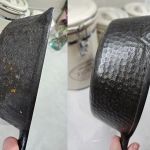 Simple At-Home Techniques for Cast Iron Restoration | Restore Your Cookware
 How to Restore Cast Iron at Home | A Complete Guide for Beginners
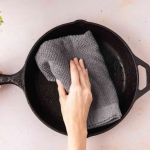 How Long Does Cast Iron Skillet Refinishing Take? Realistic Timeline for Restoration
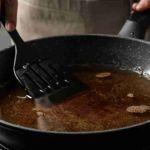 What to Avoid When Attempting Cast Iron Refinishing: Common Mistakes to Watch Out For