
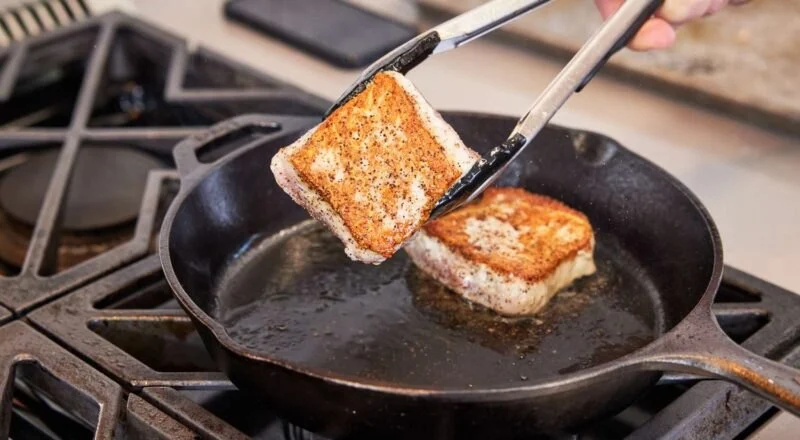
How Professionals Handle Cast Iron Skillets: Expert Tips and Care
Cast iron skillets are a beloved kitchen tool, favored by both professional chefs and home cooks for their durability, heat retention, and versatility. However, these skillets require a bit more care than your average cookware. In this guide, we’ll dive into how professionals handle cast iron skillets, from seasoning and cleaning to maintenance and cooking techniques. If you’re ready to master the art of using cast iron in your kitchen, this article will equip you with the expert knowledge to keep your skillet in top condition for years to come.
- 1. Proper Seasoning: The Key to a Perfectly Non-Stick Surface
- 2. Cleaning Your Cast Iron Skillet: What to Do (and What Not to Do)
- 3. Cast Iron Maintenance: Keeping Your Skillet in Prime Condition
- 4. Professional Cooking Techniques with Cast Iron
1. Proper Seasoning: The Key to a Perfectly Non-Stick Surface
Seasoning a cast iron skillet is one of the most important steps in ensuring its longevity and performance. It involves applying a thin layer of oil to the skillet and heating it to create a smooth, non-stick surface. Professionals recommend using vegetable oil, flaxseed oil, or shortening for the best results. The key to successful seasoning is patience and repetition. It’s crucial to apply multiple thin coats and heat the skillet at a high temperature to bond the oil to the cast iron surface, creating a durable, protective layer.
When seasoning your skillet, make sure to do so in a well-ventilated area, as the heating process can create a bit of smoke. Many chefs also suggest seasoning the skillet in an oven, placing it upside down to ensure even coverage and prevent excess oil from pooling.

Chicago Odorless Bathtub Refinishing / eco tub restoration
3236 W Eastwood Ave, Chicago, IL 60625, USA
2. Cleaning Your Cast Iron Skillet: What to Do (and What Not to Do)
Cleaning cast iron skillets can seem intimidating at first, but once you know the proper methods, it becomes second nature. The key to cleaning your skillet is avoiding soap, as it can strip away the seasoning. Here’s how professionals clean their cast iron skillets:
- Hot Water and a Scraper: After cooking, let the skillet cool slightly, then rinse it with hot water. Use a scraper or stiff brush to remove food bits. For stubborn spots, a gentle scrub with coarse salt can work wonders.
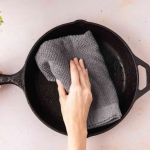
- Dry Immediately: To prevent rust, it’s essential to dry your skillet immediately after cleaning. Professionals often place their skillet on the stove over low heat for a few minutes to ensure all moisture evaporates.
- Re-season After Cleaning: After each cleaning session, it’s a good idea to lightly oil the skillet to maintain the seasoning. Use a paper towel to apply a small amount of oil to the surface while it’s still warm.
By following these steps, you can maintain your skillet’s non-stick surface and keep it in prime condition.

Miracle Method Surface Refinishing / miracle bathtub refinishing
Santa RosaSonoma CountyCalifornia
3200 Dutton Ave Suite #325, Santa Rosa, CA 95407, USA
3. Cast Iron Maintenance: Keeping Your Skillet in Prime Condition
Maintaining your cast iron skillet is more than just cleaning it after each use. Here are a few essential maintenance tips that professionals follow:
- Regularly Re-seasoning: Over time, the seasoning on your cast iron skillet may wear down due to frequent use. Re-season your skillet every few months to ensure it remains non-stick and rust-free.
- Avoid Cooking Acidic Foods: While cast iron skillets are versatile, they are not ideal for cooking highly acidic foods (such as tomatoes or citrus), as this can strip away the seasoning and affect the flavor.
- Store Properly: When not in use, store your cast iron skillet in a dry place. You can also place a paper towel inside the skillet to absorb any moisture and prevent rusting.
4. Professional Cooking Techniques with Cast Iron
Cast iron skillets are known for their ability to retain heat, making them perfect for high-heat cooking techniques like searing, browning, and frying. Here are a few professional cooking techniques that showcase the versatility of cast iron:
- Searing Meat: The even heat distribution of a cast iron skillet is ideal for searing steaks, chicken, and pork chops. Preheat the skillet until it’s smoking hot, and use a high-quality oil to get a beautifully caramelized crust on your meats.
- Baking in Cast Iron: Cast iron skillets are fantastic for baking cornbread, frittatas, and even pizzas. The even heat retention ensures a crispy, golden crust every time.
- Frying: Cast iron skillets excel at frying, especially when it comes to deep frying. The skillet holds the heat well, allowing for even frying and reducing temperature fluctuations that could affect the texture of fried foods.
With proper care, cast iron skillets are an invaluable tool in both professional and home kitchens, offering endless possibilities for cooking techniques and delicious meals.
If you want to learn more about cast iron restoration, check out Cast Iron Restoration for expert tips and services to bring your skillet back to life.






 Forini Cabinets5.0 (19 reviews)
 Abigail Hayden Interiors & Design5.0 (8 reviews)
 Re-Bath4.0 (607 reviews)
 Crown Bath Corp.4.0 (71 reviews)
 Rob's Refinishing Inc4.0 (42 reviews)
 Timeless Granite & Quartz Countertops4.0 (24 reviews)
 How to Refurbish a Cast Iron Skillet at Home: A Complete Guide
 Best Products for Cast Iron Restoration Service: Top Tools and Products
 Simple At-Home Techniques for Cast Iron Restoration | Restore Your Cookware
 How to Restore Cast Iron at Home | A Complete Guide for Beginners
 How Long Does Cast Iron Skillet Refinishing Take? Realistic Timeline for Restoration
 What to Avoid When Attempting Cast Iron Refinishing: Common Mistakes to Watch Out For