
- Why Restore Cast Iron?
- Steps for Restoring Cast Iron
- Common Mistakes in Cast Iron Restoration
- Expert Advice on Cast Iron Care
Why Restore Cast Iron?
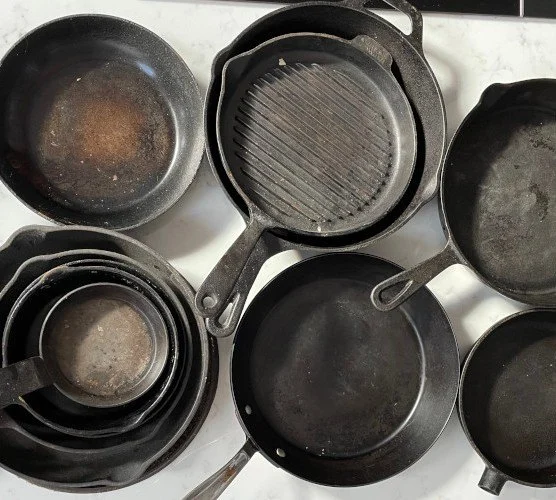
Restoring cast iron cookware is an important process that can prolong its life and improve its cooking performance. Cast iron is known for its durability and ability to retain heat, making it a favorite among chefs and home cooks alike. However, over time, cast iron can accumulate rust, lose its seasoning, or become worn down from heavy use. Restoring it not only makes it look better but also enhances its functionality, allowing you to enjoy the many benefits of cast iron cooking once again.
Whether you’re dealing with an heirloom skillet passed down through generations or a modern cast iron pan that’s seen better days, restoration is a rewarding process. Here, we’ll guide you through the best practices to bring your cast iron back to life, ensuring it’s as good as new and ready to tackle your next recipe!

Surface Specialists of South Central MN / surface specialists mn
MankatoBlue Earth CountyMinnesota
436 Lyd Blvd, Mankato, MN 56001, USA
Steps for Restoring Cast Iron
Restoring cast iron cookware involves several steps to clean, re-season, and maintain the iron. Here are the key stages in the restoration process:
- Cleaning the Rust: Begin by removing any rust. Use a wire brush, steel wool, or sandpaper to scrub away the rust. For deeper rust, you can use an electrolysis bath or vinegar soak to loosen the rust and make it easier to remove.
- Removing Old Seasoning: If your cast iron skillet has old, flaking seasoning, you’ll need to remove it. This can be done by baking the skillet in a self-cleaning oven, using lye-based cleaners, or applying a strong abrasive like baking soda.
- Re-seasoning: Once the rust and old seasoning are removed, it’s time to re-season your cast iron. Seasoning involves applying a thin layer of vegetable oil or lard to the entire surface of the cookware and baking it in an oven at a high temperature (around 450°F) for about an hour. This creates a durable, non-stick coating that enhances the skillet's cooking surface.
- Regular Maintenance: After restoration, regular maintenance is essential. This includes cleaning your cast iron with warm water and a stiff brush (avoid soap), drying it immediately, and reapplying a thin layer of oil after each use to maintain the seasoning.
Common Mistakes in Cast Iron Restoration
While restoring cast iron is a rewarding process, there are some common mistakes that can lead to less-than-ideal results. Here are a few pitfalls to avoid:
- Using Soap: While it's fine to clean your cast iron, never use soap after the seasoning process. Soap can strip away the protective seasoning layer.
- Skipping the Drying Step: After cleaning, always dry your cast iron thoroughly. Leaving moisture on the pan can lead to rust formation.
- Over-Seasoning: Applying too much oil during seasoning can cause sticky, uneven coatings. Always apply a very thin layer of oil.
- Using High Heat Immediately: Avoid cooking on high heat with newly restored cast iron. Start with medium heat to prevent damaging the seasoning.
Expert Advice on Cast Iron Care
To keep your cast iron cookware in top condition, here are some expert tips from professionals who specialize in cast iron restoration and care:
Tip 1: Don’t Rush the Process – According to experts, patience is key when it comes to restoring cast iron. Allow the seasoning process to fully develop over multiple layers to ensure a strong and even coating.
Tip 2: Store Properly – Proper storage is essential to maintaining your cast iron. Store it in a dry place and, if possible, place a paper towel inside to absorb any moisture.
Tip 3: Regularly Reapply Oil – After each use, lightly coat your cast iron with oil. This helps to maintain the seasoning and prevents rust from forming.
Case Study: Restoring a Family Heirloom – Many users have found that restoring old family cast iron pans has not only revived a useful cooking tool but also created a deeper emotional connection. One such story comes from Sarah, who inherited a skillet from her grandmother. “The restoration process was surprisingly simple, and I now cook all my favorite recipes in the same pan my grandmother used. It feels like I’m keeping her memory alive every time I cook,” Sarah shared.
Restoring your cast iron cookware isn’t just about bringing it back to life; it’s about maintaining a piece of history in your kitchen. Whether you’re a seasoned cook or just starting, restoring your cast iron will give you a tool that lasts for generations.





 Dramatix Decor5.0 (17 reviews)
 Tritan Services LLC5.0 (137 reviews)
 Dzala General Contractor LLC4.0 (44 reviews)
 General Contractor & Remodeling AlBarran4.0 (17 reviews)
 NuFinishPro of Long Beach5.0 (5 reviews)
 Mr. Bathtub Indy4.0 (20 reviews)
 How to Refurbish a Cast Iron Skillet at Home: A Complete Guide
 Best Products for Cast Iron Restoration Service: Top Tools and Products
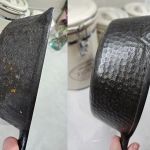 Simple At-Home Techniques for Cast Iron Restoration | Restore Your Cookware
 How to Restore Cast Iron at Home | A Complete Guide for Beginners
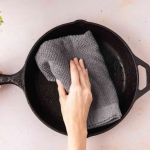 How Long Does Cast Iron Skillet Refinishing Take? Realistic Timeline for Restoration
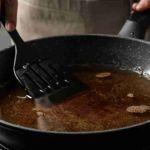 What to Avoid When Attempting Cast Iron Refinishing: Common Mistakes to Watch Out For