
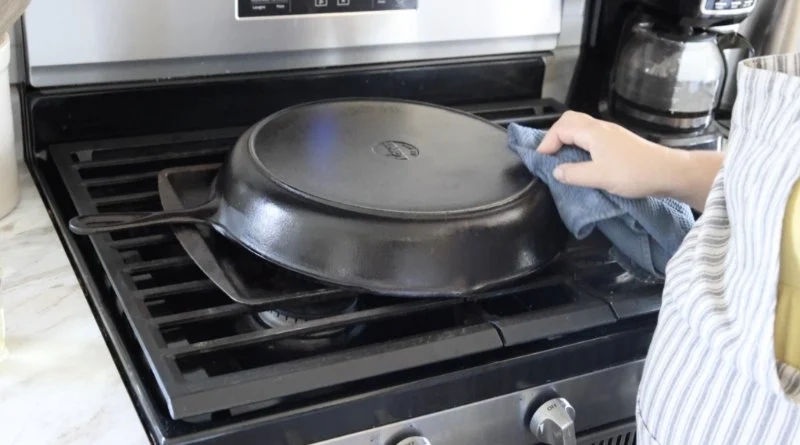
- 1- Introduction to Cast Iron Skillet Refinishing
- 2- Why Refinishing Is Important for Old Cookware
- 3- Expert Tips for Refinishing Your Cast Iron Skillet
- 4- Step-by-Step Guide to Refinishing Cast Iron Cookware
- 5- Common Mistakes to Avoid When Refinishing Cast Iron
- 6- Conclusion: Bringing New Life to Your Old Cast Iron Skillet
1- Introduction to Cast Iron Skillet Refinishing
Cast iron skillets are some of the most durable and long-lasting cookware pieces available. Over time, however, they can accumulate rust, food residue, or lose their non-stick seasoning, which can affect their performance. Refinishing a cast iron skillet can breathe new life into it, restoring its cooking surface and preventing further damage. In this guide, we will dive into expert tips on how to refinish your old cast iron cookware, including step-by-step instructions to get the best results.
2- Why Refinishing Is Important for Old Cookware
Over time, even the best cast iron skillets can develop issues like rust, stuck food, or worn-out seasoning. Refinishing your skillet is crucial for several reasons:
- Improved Non-Stick Surface: Refinishing can help restore the non-stick surface, making it easier to cook with and clean.
- Preserving Durability: A properly refinished skillet will last for generations. Refinishing helps protect the metal and prevents further corrosion.
- Enhance Cooking Performance: A smooth and well-seasoned skillet provides even heating, improving cooking performance.
3- Expert Tips for Refinishing Your Cast Iron Skillet
Refinishing a cast iron skillet may seem like a daunting task, but with the right knowledge and tools, it can be a rewarding DIY project. Here are some expert tips to get you started:
- Proper Preparation: Thoroughly clean your skillet to remove any old grease, rust, or stuck food. Use a stiff brush and mild dish soap if needed.
- Choose the Right Seasoning Oil: The oil you use for seasoning your skillet is crucial. Experts recommend vegetable oil or flaxseed oil, which create a durable seasoning layer.
- Don’t Rush the Process: Proper seasoning takes time. Apply thin layers of oil, bake your skillet in the oven at a high temperature, and repeat the process until you have a nice, dark, even coating.
4- Step-by-Step Guide to Refinishing Cast Iron Cookware
Follow these simple steps to refinish your old cast iron skillet and restore its former glory:
- Clean the Skillet: Start by removing any dirt, rust, or old seasoning. You can use steel wool or a wire brush to scrub away the rust, followed by a rinse with warm water and soap.
- Dry Thoroughly: Ensure the skillet is completely dry before proceeding to the next step. Any moisture left behind can lead to rust formation during seasoning.
- Apply a Thin Layer of Oil: Using a paper towel, apply a thin layer of your chosen oil to the entire skillet, including the handle and bottom.
- Bake the Skillet: Place the skillet upside down in an oven preheated to 450°F (230°C). Place a sheet of aluminum foil on the lower rack to catch any drips. Bake the skillet for 1 hour and let it cool completely.
- Repeat the Seasoning: For best results, repeat the seasoning process 3-4 times until the skillet develops a smooth, dark, and durable non-stick surface.
5- Common Mistakes to Avoid When Refinishing Cast Iron
While refinishing your cast iron skillet can be straightforward, there are a few common mistakes to avoid:
- Using Too Much Oil: Applying a thick layer of oil can result in a sticky or uneven finish. Always apply a thin, even layer.
- Skipping the Cleaning Step: If you don’t thoroughly clean your skillet before refinishing, the seasoning won’t adhere properly, leading to an uneven surface.
- Not Repeating the Process: Seasoning your skillet only once is often not enough to build a durable, non-stick surface. Make sure to repeat the process multiple times for the best results.
6- Conclusion: Bringing New Life to Your Old Cast Iron Skillet
Refinishing your cast iron skillet can seem like a challenging task, but with the right approach and patience, you can restore it to its original condition and improve its cooking performance. By following the expert tips and step-by-step guide shared here, you can ensure that your cast iron cookware serves you well for many more years to come.
If you're looking for more resources and tools for cast iron restoration, visit Cast Iron Restoration for the best products and services to help you maintain your cookware.





 NextForm Basement Remodeling & Bathroom4.0 (37 reviews)
 NuHome Inc. DBA Muralles Remodeling5.0 (6 reviews)
 Charlotte Resurfacing Pros4.0 (65 reviews)
 DreamMaker Bath & Kitchen5.0 (12 reviews)
 P&M Renovations, Inc.5.0 (7 reviews)
 Kitchen And Bath Direct4.0 (77 reviews)
 How to Refurbish a Cast Iron Skillet at Home: A Complete Guide
 Best Products for Cast Iron Restoration Service: Top Tools and Products
 Simple At-Home Techniques for Cast Iron Restoration | Restore Your Cookware
 How to Restore Cast Iron at Home | A Complete Guide for Beginners
 How Long Does Cast Iron Skillet Refinishing Take? Realistic Timeline for Restoration
 What to Avoid When Attempting Cast Iron Refinishing: Common Mistakes to Watch Out For