
- 1- Why Refinishing Your Cast Iron Skillet is Important
- 2- Signs Your Cast Iron Skillet Needs Refinishing
- 3- Step-by-Step Guide to Refinishing Cast Iron
- 4- Tools and Supplies You’ll Need for Refinishing Cast Iron
- 5- Common Mistakes to Avoid When Refinishing Cast Iron
1. Why Refinishing Your Cast Iron Skillet is Important
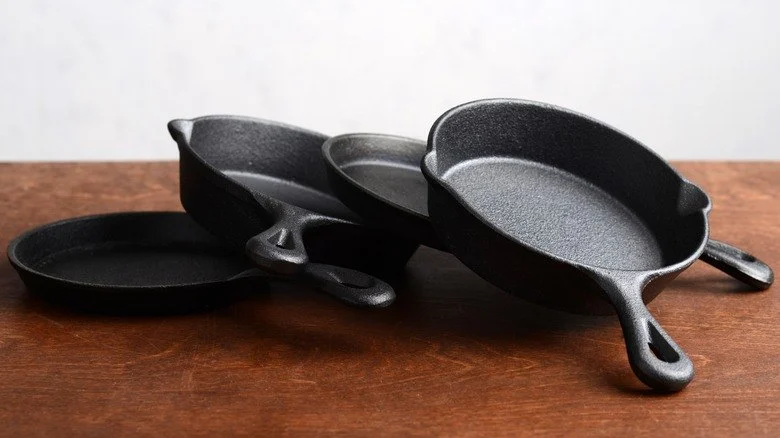
Cast iron skillets are prized for their durability, even heat distribution, and ability to last for generations. However, over time, they can become damaged, rusty, or develop an uneven seasoning layer. Refinishing your cast iron skillet not only restores its appearance but also revives its cooking performance, ensuring that it continues to perform at its best. A properly refinished skillet will provide a smoother, non-stick cooking surface and improve its overall longevity.
Refinishing can be especially important if you're restoring a family heirloom or a vintage skillet that may have lost its luster. Taking the time to refinish your cast iron can also save money compared to purchasing a new one, while preserving the character and history of your cookware.

Surface Specialists of South Central MN / surface specialists mn
MankatoBlue Earth CountyMinnesota
436 Lyd Blvd, Mankato, MN 56001, USA
2. Signs Your Cast Iron Skillet Needs Refinishing
Before jumping into the refinishing process, it’s important to recognize when your cast iron skillet truly needs it. Here are some common signs that your skillet may require refinishing:
- Rust or corrosion: If your skillet has developed visible rust spots, it may be time to refinish it. Rust can form when the seasoning layer has been compromised or if the skillet has been exposed to moisture.
- Uneven or patchy seasoning: A good seasoning layer should be even and smooth. If the seasoning has worn off or is uneven, refinishing will help restore the non-stick properties.
- Sticky or gummy surface: Sometimes, the seasoning on cast iron can become sticky or gummy, which can affect cooking performance. This can occur if the skillet was improperly seasoned or overheated.
- Scratches or rough spots: Over time, rough spots or scratches can form on the surface of the skillet, affecting its ability to cook evenly. Refinishing smooths these out and restores the surface to its original condition.
3. Step-by-Step Guide to Refinishing Cast Iron
Refinishing your cast iron skillet is a relatively simple process that can be done with a few essential tools and materials. Here’s a step-by-step guide to help you restore your skillet:
- Step 1: Clean the skillet – Start by scrubbing the skillet thoroughly to remove any old seasoning, rust, or grime. You can use steel wool or a wire brush to get rid of heavy rust, followed by a good wash with hot water and soap. Be sure to dry the skillet completely to prevent new rust from forming.
- Step 2: Remove rust (if necessary) – If there are any rusty spots, you can use a vinegar-water solution (50/50 ratio) and soak the skillet for a few hours. After soaking, scrub the rust off using steel wool or a wire brush.
- Step 3: Season the skillet – Once the skillet is clean and dry, it’s time to apply a new layer of seasoning. Rub a thin layer of vegetable oil or flaxseed oil onto the entire surface of the skillet, inside and out. Make sure to wipe off any excess oil, leaving only a thin coat.
- Step 4: Bake the skillet – Preheat your oven to 450°F (232°C). Place the skillet upside down in the oven, with a sheet of aluminum foil on the rack below to catch any drips. Bake for one hour, then turn off the oven and allow the skillet to cool inside the oven.
- Step 5: Repeat the seasoning process – For optimal results, repeat the seasoning process 3-4 times to build a strong, even seasoning layer. This will enhance the non-stick properties and provide better cooking performance.
4. Tools and Supplies You’ll Need for Refinishing Cast Iron
To successfully refinish your cast iron skillet, you’ll need a few basic tools and supplies. Here’s what you’ll need:
- Steel wool or wire brush: Essential for cleaning off rust or old seasoning.
- Vinegar and water (for rust removal): A 50/50 solution of vinegar and water is great for dissolving rust.
- Vegetable oil or flaxseed oil: Used for seasoning the skillet. Flaxseed oil is often preferred for its ability to create a durable, hard seasoning layer.
- Aluminum foil: To catch any excess oil or seasoning drips while baking the skillet in the oven.
- Oven: A standard kitchen oven is used for baking and seasoning the cast iron skillet.
5. Common Mistakes to Avoid When Refinishing Cast Iron
While refinishing a cast iron skillet is a straightforward process, there are a few common mistakes that can affect the final results. Here are some things to watch out for:
- Using too much oil: Applying too much oil during the seasoning process can result in a sticky or uneven surface. Always wipe off any excess oil to leave only a thin coat.
- Skipping the rust removal step: If your skillet has rust, skipping the rust removal step can cause long-term damage to the surface. Be sure to address rust before seasoning.
- Overheating the skillet: When baking the skillet, make sure the temperature doesn’t exceed the recommended 450°F. Excessive heat can cause the seasoning to burn or crack.
- Not allowing enough time for seasoning: Properly seasoning a skillet takes time and multiple layers of oil. Don’t rush the process, and make sure you build up the seasoning over several cycles.
By following these steps and avoiding common mistakes, you can restore your cast iron skillet to its former glory and enjoy its cooking benefits for many years to come.
If you need high-quality products or expert guidance for cast iron restoration, check out Cast Iron Restoration for the best tools, tips, and services to help with your skillet refinishing project.




 Plain & Posh5.0 (4 reviews)
 Hixon Home Improvements4.0 (20 reviews)
 Metro Design Build4.0 (36 reviews)
 The Best Refinishing Company of San Jose5.0 (102 reviews)
 Hays + Sons4.0 (235 reviews)
 HKF Construction, Inc.4.0 (79 reviews)
 How to Refurbish a Cast Iron Skillet at Home: A Complete Guide
 Best Products for Cast Iron Restoration Service: Top Tools and Products
 Simple At-Home Techniques for Cast Iron Restoration | Restore Your Cookware
 How to Restore Cast Iron at Home | A Complete Guide for Beginners
 How Long Does Cast Iron Skillet Refinishing Take? Realistic Timeline for Restoration
 What to Avoid When Attempting Cast Iron Refinishing: Common Mistakes to Watch Out For