
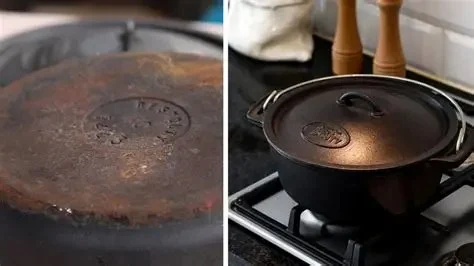
- Common Mistakes to Avoid in Cast Iron Restoration
- Proper Preparation for Cast Iron Restoration
- Effective Cleaning Methods for Cast Iron
- Seasoning Tips for Restoring Cast Iron
- Post-Restoration Care and Maintenance
Common Mistakes to Avoid in Cast Iron Restoration
Cast iron restoration is an excellent way to breathe new life into old cookware, but it’s easy to make mistakes if you're not careful. These errors can lead to improper restoration, damaging the cast iron or rendering it unusable. Here are some key mistakes to avoid during your restoration project:
- Using Harsh Cleaning Products: Avoid using abrasive chemicals or harsh cleaning products like bleach or acidic cleaners. These can strip away the natural patina and seasoning, leaving your cast iron more prone to rust.
- Skipping the Drying Step: Failing to dry cast iron properly after cleaning is one of the biggest mistakes. Cast iron can rust quickly if not thoroughly dried after each cleaning, even if it’s only exposed to moisture for a short time.
- Overheating During Seasoning: When seasoning your cast iron, it's important not to overheat the surface. Excessive heat can cause the oil to burn off too quickly, creating uneven seasoning. Stick to the recommended temperature range for best results.
Proper Preparation for Cast Iron Restoration
Proper preparation is essential for a successful cast iron restoration. It sets the foundation for effective cleaning, seasoning, and maintenance. Before diving into the restoration process, make sure to follow these steps:
- Inspect the Cast Iron: Check for any cracks, chips, or deep rust. If your cast iron is cracked, it may not be worth restoring. Minor rust can be cleaned, but deeper issues might require professional repair or replacement.
- Gather the Right Tools: You’ll need steel wool or a wire brush, a mild dish soap (optional), vegetable oil or flaxseed oil for seasoning, and an oven to bake the cast iron. Always wear gloves to avoid injuries while working on rough or rusty surfaces.
- Clean Thoroughly: Remove dirt, grease, and food buildup with a gentle scrub. For rust, a vinegar solution can help remove the rust buildup. Always dry the surface immediately after cleaning to prevent further rusting.
Effective Cleaning Methods for Cast Iron
Cleaning cast iron is a delicate task. You must remove dirt, rust, and grease without damaging the surface. Here are some effective techniques to ensure your cast iron is ready for seasoning:
- Scrubbing Away Rust: If your cast iron has developed rust, use a wire brush or steel wool to scrub the affected areas. For stubborn rust, soak the item in a vinegar-water solution (50:50 ratio) for a couple of hours and scrub it afterward.
- Soap and Water (Occasionally): You can use a small amount of mild dish soap to clean your cast iron, but only when necessary. Frequent use of soap can degrade the seasoning layer, so use sparingly.
- Remove Food Residue: After each use, clean your cast iron with warm water and a brush to remove food particles. This will help maintain the seasoning and prevent buildup of grime that could affect the cooking surface.
Seasoning Tips for Restoring Cast Iron
Seasoning your cast iron is a crucial step in the restoration process. This creates a non-stick surface, prevents rust, and enhances cooking performance. Here’s how to do it correctly:
- Choose the Right Oil: The type of oil you use for seasoning can make a difference. Flaxseed oil is popular due to its ability to polymerize into a hard, durable layer. However, vegetable oil or canola oil are also suitable options.
- Apply a Thin Layer of Oil: Use a paper towel or cloth to apply a thin, even layer of oil over the entire surface of the cast iron. Be sure to remove any excess oil to prevent sticky spots after baking.
- Bake in the Oven: Place the cast iron upside down on the middle rack of an oven, with a baking sheet below to catch any excess oil. Bake it at 450°F (232°C) for 1 hour. Let it cool in the oven before repeating the process if needed.
Post-Restoration Care and Maintenance
After restoring your cast iron, it’s essential to maintain it properly to ensure it continues to perform at its best. Here are some tips:
- Regular Cleaning: After each use, clean your cast iron with minimal water and avoid harsh detergents. A quick scrub with a brush should suffice for most cases.
- Dry Immediately: Always dry your cast iron right after washing it to prevent rust. You can heat it briefly on the stovetop to ensure it’s fully dry.
- Re-season Periodically: Over time, the seasoning may wear down, especially if you cook with acidic foods. Re-season your cast iron every few months to maintain its non-stick properties.
With these tips, your cast iron cookware can last for many years, providing excellent cooking results with minimal maintenance. Remember, if you feel unsure about the restoration process or if your cast iron needs professional care, don’t hesitate to consult an expert. For more restoration tips and products, visit Cast Iron Restoration and discover the best services and tools for keeping your cast iron items in top condition.




 Bathroom & Kitchen Countertops Contractor5.0 (22 reviews)
 Town & Country Remodeling4.0 (11 reviews)
 Gut Rehab Construction4.0 (27 reviews)
 Pacific Tub Repair5.0 (38 reviews)
 Murillo Refinishing5.0 (45 reviews)
 Shay Construction5.0 (13 reviews)
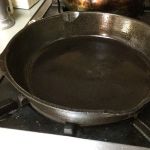 How to Refurbish a Cast Iron Skillet at Home: A Complete Guide
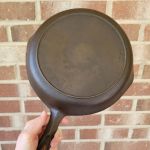 Best Products for Cast Iron Restoration Service: Top Tools and Products
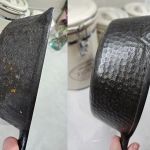 Simple At-Home Techniques for Cast Iron Restoration | Restore Your Cookware
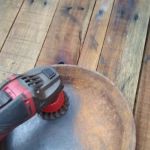 How to Restore Cast Iron at Home | A Complete Guide for Beginners
 How Long Does Cast Iron Skillet Refinishing Take? Realistic Timeline for Restoration
 What to Avoid When Attempting Cast Iron Refinishing: Common Mistakes to Watch Out For