
- 1. Signs of Water Damage in Your Bathroom
- 2. Persistent Mold or Mildew Growth
- 3. Plumbing Issues You Can’t Ignore
- 4. Cracked or Damaged Tiles and Flooring
- 5. When to Call Professionals for Bathroom Restoration
1. Signs of Water Damage in Your Bathroom
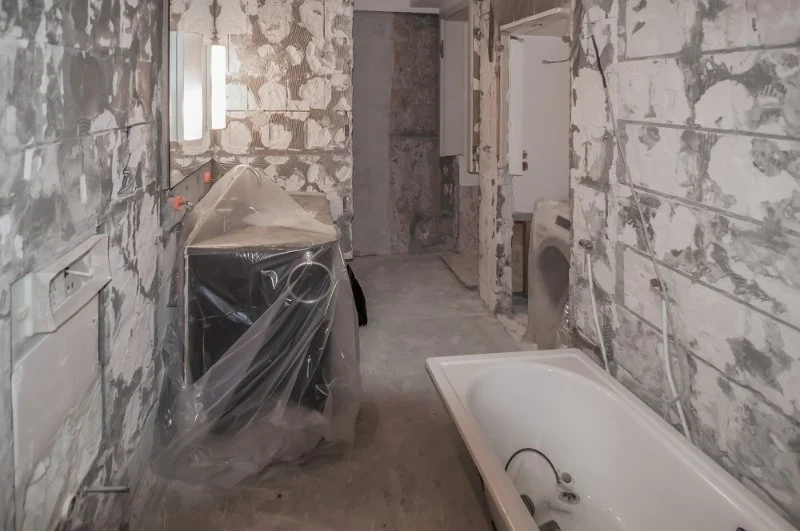
Water damage is one of the most common and serious issues homeowners face in their bathrooms. The bathroom is constantly exposed to moisture, which can lead to long-term problems if not addressed quickly. Some of the early warning signs include:
Miracle Method Surface Refinishing / miracle tub refinishing
Santa RosaSonoma CountyCalifornia
3200 Dutton Ave Suite #325, Santa Rosa, CA 95407, USA
a. Discolored Walls or Ceiling
One of the most obvious signs of water damage is discoloration or stains on the walls or ceiling. These stains may appear yellow, brown, or even black, indicating that water has been leaking into the structure for some time. This could be from a leaking roof, plumbing pipes, or a malfunctioning shower or tub. Ignoring these stains can lead to more severe damage to the walls and foundation.
Chicago Odorless Bathtub Refinishing / eco tub restoration
3236 W Eastwood Ave, Chicago, IL 60625, USA
b. Soft or Buckled Wallpaper
If you notice that the wallpaper in your bathroom is peeling, softening, or buckling, it's a clear sign that excess moisture is affecting the walls. Moisture trapped behind wallpaper can cause it to lift and warp, which often leads to mold growth if not addressed promptly.
2. Persistent Mold or Mildew Growth
Mold and mildew are both signs of excessive moisture and humidity, and they thrive in bathrooms. While small amounts of mold can often be removed with cleaning products, persistent mold or mildew growth is a sign that there may be underlying plumbing or ventilation issues that need immediate attention. Common signs of mold problems include:
a. Musty Odor
If you notice a persistent musty smell in your bathroom, even after cleaning, it's a strong indicator that mold or mildew is present. Mold can grow in hidden places, like behind tiles or under flooring, making it difficult to spot until it’s too late. If the odor doesn’t go away with regular cleaning, it’s time to call in a professional to inspect for mold damage.
b. Visible Mold Spots
Small black or green spots on tiles, grout, or around faucets are often the first visible signs of mold growth. If left untreated, mold can spread quickly, leading to serious health issues and structural damage. In such cases, timely bathroom restoration can prevent mold from spreading further into the walls and ceilings.
3. Plumbing Issues You Can’t Ignore
Plumbing problems can cause significant damage to your bathroom if not addressed immediately. Some plumbing issues are easy to detect, while others may require more attention. Here are some plumbing problems that should never be ignored:
a. Leaking Pipes
Leaking pipes can lead to water pooling behind walls or under flooring, causing long-term damage. Look for signs of water pooling near your shower, toilet, or sink. Even small leaks can result in major damage over time if not addressed. If you notice water stains, dampness on your floor, or a decrease in water pressure, it’s a clear sign that you need to inspect your plumbing system.
b. Toilet Backups or Slow Draining
A toilet that regularly backs up or drains slowly can be a sign of a serious plumbing issue, such as a clogged drain or a problem with the septic system. This can cause water to back up into your bathroom, leading to water damage and the potential for mold growth. Don't wait for the problem to worsen—seek professional help right away.
4. Cracked or Damaged Tiles and Flooring
Tiles and flooring are essential parts of your bathroom's functionality, and when they start to crack or become damaged, it's important to address it quickly. Cracks in tiles or flooring can indicate that moisture has seeped beneath the surface, potentially causing significant structural damage to your bathroom. Some common issues to watch for include:
a. Cracked or Loose Tiles
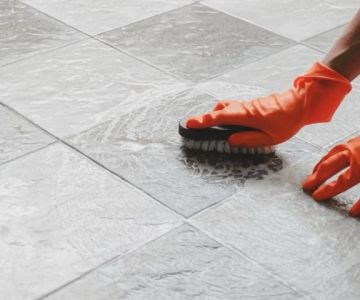
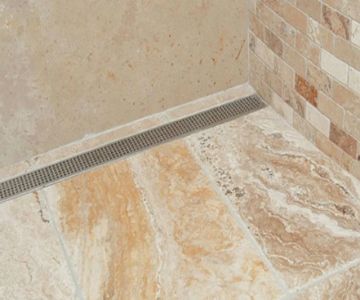
Cracked or loose tiles, especially around the shower or bathtub area, may be a result of water damage or excessive humidity. These cracks allow water to seep into the underlying structure, leading to mold growth or rot. Replacing or repairing damaged tiles is crucial to prevent further damage to the floor or wall beneath.
b. Slippery or Uneven Flooring
If your bathroom floor feels uneven or slippery, it could be a sign of water damage beneath the surface. Moisture can warp wooden floors or loosen tiles, making them hazardous. Ensure the floor is repaired immediately to avoid accidents and further structural damage.
5. When to Call Professionals for Bathroom Restoration
While some minor bathroom issues can be handled with DIY repairs, there are certain situations where it's essential to call in a professional. If you're dealing with severe water damage, persistent mold, plumbing issues, or damaged flooring, a bathroom restoration expert can help restore your bathroom to its original condition. These professionals have the experience, tools, and knowledge to tackle serious damage and ensure that your bathroom is safe, functional, and looking great.
If you're unsure whether your bathroom requires professional restoration, it’s always better to err on the side of caution and seek advice from experts. Companies like Cast Iron Restoration offer specialized services to help with both small and large-scale bathroom repairs and restoration projects.
 Bone Dry & Sons5.0 (6 reviews)
 Specialized Refinishing Co.5.0 (5 reviews)
 SuPro Bathroom Remodeling & Tile5.0 (7 reviews)
 62 South Stone5.0 (1 reviews)
 Riggs Custom Builders5.0 (55 reviews)
 Residential Innovations Inc5.0 (20 reviews)
 How to Refurbish a Cast Iron Skillet at Home: A Complete Guide
 Best Products for Cast Iron Restoration Service: Top Tools and Products
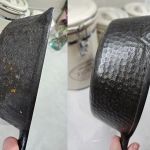 Simple At-Home Techniques for Cast Iron Restoration | Restore Your Cookware
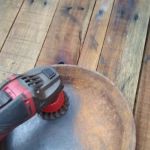 How to Restore Cast Iron at Home | A Complete Guide for Beginners
 How Long Does Cast Iron Skillet Refinishing Take? Realistic Timeline for Restoration
 What to Avoid When Attempting Cast Iron Refinishing: Common Mistakes to Watch Out For