
Before and After Seasoning a Cast Iron Skillet: Tips and Techniques
- 1. What is Seasoning and Why Is It Important?
- 2. Preparing Your Cast Iron Skillet for Seasoning
- 3. How to Properly Season Your Cast Iron Skillet
- 4. After Seasoning: How to Maintain Your Cast Iron Skillet
- 5. Common Mistakes to Avoid When Seasoning Your Skillet
1. What is Seasoning and Why Is It Important?
Seasoning a cast iron skillet refers to the process of creating a non-stick surface by coating the pan with a layer of oil and heating it to a high temperature. This process helps prevent rust, creates a natural cooking surface, and improves the overall durability of the skillet. A well-seasoned cast iron pan can last for generations, making it a staple in many kitchens.

Miracle Method Surface Refinishing / miracle bathtub refinishing
Santa RosaSonoma CountyCalifornia
3200 Dutton Ave Suite #325, Santa Rosa, CA 95407, USA
2. Preparing Your Cast Iron Skillet for Seasoning
Before you can start seasoning your cast iron skillet, it’s essential to ensure it’s clean and free from any existing rust or debris. If your skillet is new, you can often skip this step, but if it’s been used, a proper cleaning is necessary. Start by scrubbing the skillet with warm water and a stiff brush. Avoid using soap, as it can strip the skillet’s natural oils. If there's any rust, you can use steel wool or a sandpaper block to remove it. Dry the skillet completely, as any remaining moisture can cause rust during the seasoning process.

Chicago Odorless Bathtub Refinishing / eco tub restoration
3236 W Eastwood Ave, Chicago, IL 60625, USA
3. How to Properly Season Your Cast Iron Skillet
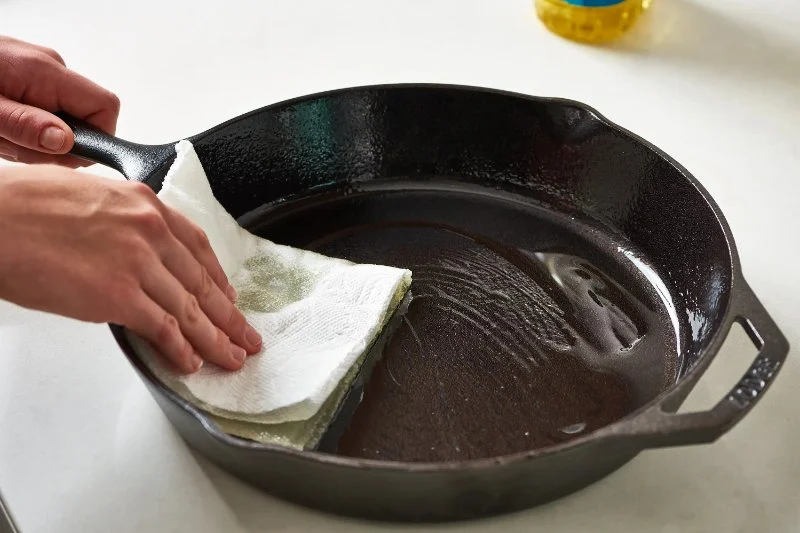
Once your skillet is clean and dry, it’s time to season it. Start by applying a thin layer of vegetable oil, flaxseed oil, or other seasoning oils to the entire surface of the skillet, including the handle and outer edges. Make sure to wipe away any excess oil with a paper towel, as too much oil can create a sticky residue.
Next, place the skillet upside down in an oven preheated to 450-500°F (230-260°C). Place a piece of aluminum foil or a baking sheet on the bottom rack to catch any drips. Bake the skillet for 1 hour, allowing the oil to bond to the metal surface. After the time is up, turn off the oven and let the skillet cool inside the oven. Repeat this process several times to build up multiple layers of seasoning for a smoother, more effective non-stick surface.
4. After Seasoning: How to Maintain Your Cast Iron Skillet
After seasoning, your cast iron skillet will be ready to use for cooking, but maintaining its seasoning is essential to keeping it in good shape. After each use, rinse the skillet with warm water (again, avoid soap) and dry it thoroughly. To maintain the seasoning, lightly rub a small amount of oil into the surface while the skillet is still warm. This will help preserve the non-stick layer and prevent rust from developing.
Occasionally, you may need to reseason your skillet if it becomes dull or starts to develop rust. Simply repeat the seasoning process described above, adding more layers of oil to restore the surface.
5. Common Mistakes to Avoid When Seasoning Your Skillet
There are a few common mistakes that people often make when seasoning their cast iron skillets. One mistake is using too much oil, which can cause a sticky residue to form instead of a smooth, non-stick surface. Always wipe off excess oil before baking the skillet.
Another mistake is not allowing the skillet to cool in the oven after the seasoning process. Allowing the pan to cool slowly helps the seasoning bond better to the surface. Also, some people might try to season their skillet too infrequently, but seasoning it multiple times will help build up layers for better non-stick properties.
Finally, don't forget to maintain your skillet regularly. By cleaning and oiling it after each use, you’ll preserve the seasoning and extend the lifespan of your beloved cast iron pan.
If you’re looking for high-quality cast iron cookware, visit Cast Iron Restoration for a wide selection of products and tips on how to restore and maintain your cast iron kitchen essentials.



 RSI - Redesigning Surfaces Inc5.0 (7 reviews)
 SURFACEERASER.COM5.0 (26 reviews)
 A and F Ramirez Construction5.0 (24 reviews)
 Ocean Life Construction3.0 (1 reviews)
 Avalon Construction & Design4.0 (26 reviews)
 Miracle Method Surface Refinishing - Chesterfield5.0 (15 reviews)
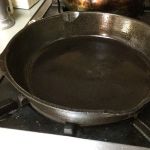 How to Refurbish a Cast Iron Skillet at Home: A Complete Guide
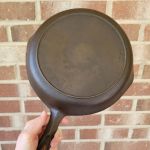 Best Products for Cast Iron Restoration Service: Top Tools and Products
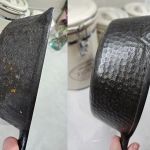 Simple At-Home Techniques for Cast Iron Restoration | Restore Your Cookware
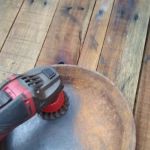 How to Restore Cast Iron at Home | A Complete Guide for Beginners
 How Long Does Cast Iron Skillet Refinishing Take? Realistic Timeline for Restoration
 What to Avoid When Attempting Cast Iron Refinishing: Common Mistakes to Watch Out For