Cast Iron Restoration
Cast Iron Restoration BlogCast Iron Refinishing Near MeBathroom Remodel Near MeKitchen Remodel Near Me
AlabamaArizonaCaliforniaColoradoConnecticutDelawareDistrict of ColumbiaFloridaGeorgiaIllinoisIndianaKansasKentuckyLouisianaMaineMarylandMassachusettsMichiganMinnesotaMississippiMissouriNebraskaNevadaNew HampshireNew JerseyNew MexicoNew YorkNorth CarolinaOhioOklahomaOregonPennsylvaniaRhode IslandSouth CarolinaTennesseeTexasUtahVirginiaWashingtonWest VirginiaWisconsin

Cast Iron RestorationCast Iron Restoration Blog

Before and After Seasoning a Cast Iron Skillet: A Complete Guide

Before and After Seasoning a Cast Iron Skillet: A Complete Guide
  • -Before and After Seasoning a Cast Iron Skillet: A Complete Guide
  • -What Happens Before and After Seasoning a Cast Iron Skillet?
  • -Steps for Seasoning Your Cast Iron Skillet
  • -Why Proper Seasoning Matters for Your Cast Iron Skillet
  • -Troubleshooting Cast Iron Skillet Seasoning Issues

1. Before and After Seasoning a Cast Iron Skillet: A Complete Guide

Cast iron skillets are known for their durability, versatility, and excellent heat retention, making them a staple in kitchens worldwide. However, before you can start cooking, you need to properly season your cast iron skillet. Proper seasoning not only enhances the skillet’s non-stick properties but also helps prevent rust and prolong its life.In this guide, we’ll explore what your skillet looks like before and after seasoning, why seasoning is essential, and provide step-by-step instructions to achieve the perfect seasoning.

2. What Happens Before and After Seasoning a Cast Iron Skillet?

Before you season your cast iron skillet, it is important to understand its condition and what changes you should expect after the seasoning process. Let’s take a look at both the before and after effects:

2.1 Before Seasoning

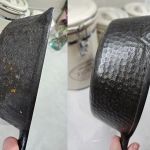
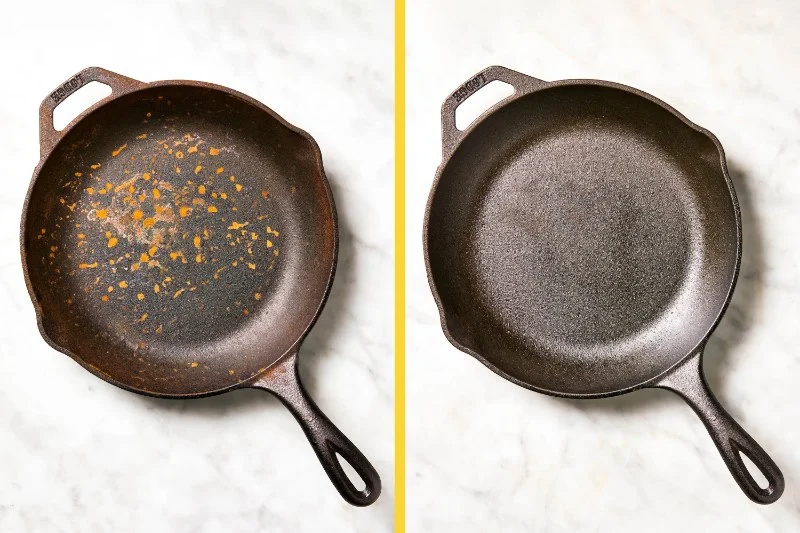
Before seasoning, a new cast iron skillet typically has a rough, greyish surface. It’s uncoated, and the metal is porous, which means food can easily stick to it. If you have an older skillet, it may have a layer of rust, or it could be covered in food remnants or burnt oils from previous use.If your skillet is new, it likely comes pre-seasoned with a layer of factory-applied oil, but it’s still a good idea to apply your seasoning layer for optimal performance. For older skillets, you may need to remove rust or old seasoning before starting the seasoning process.

2.2 After Seasoning

Once the seasoning process is complete, your cast iron skillet will have a smooth, glossy, and darkened surface. This is the result of polymerized oils bonding to the metal. The seasoning makes the skillet naturally non-stick, improves its resistance to rust, and enhances its overall cooking performance.After seasoning, the skillet will also become easier to clean, as food particles won’t stick as much. Over time, with continued use and maintenance, your cast iron skillet’s seasoning will only improve, creating a dark, well-seasoned surface.

3. Steps for Seasoning Your Cast Iron Skillet

Proper seasoning is essential for your cast iron skillet to work its best. Follow these steps to get the most effective seasoning:

3.1 Clean the Skillet

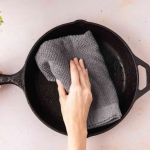
If your cast iron skillet is new, start by washing it with warm water and mild dish soap to remove any factory residue. If it’s an older skillet, scrub off any rust or old seasoning with a steel wool pad or a scraper. After cleaning, dry it thoroughly with a towel to prevent any moisture from causing rust.

3.2 Apply a Thin Layer of Oil

Choose an oil with a high smoke point, such as flaxseed oil, vegetable oil, or grapeseed oil. Apply a thin layer of oil to the entire surface of the skillet, including the handle and exterior. Use a cloth or paper towel to spread the oil evenly, ensuring there are no excess puddles of oil. Too much oil can result in a sticky finish.

3.3 Heat the Skillet in the Oven

Preheat your oven to 450°F (232°C). Place your skillet upside down on the top rack of the oven to prevent any oil from pooling. Place a piece of aluminum foil on the lower rack to catch any drips. Bake the skillet for one hour, allowing the oil to bond to the metal. After an hour, turn off the oven and let the skillet cool down in the oven to prevent sudden temperature changes.

3.4 Repeat if Necessary

For optimal seasoning, you can repeat the oil application and heating process 2-3 times. Each layer of oil creates a more durable non-stick surface and protects the cast iron from rust. With time, the seasoning will deepen and improve, giving you the best performance from your skillet.

4. Why Proper Seasoning Matters for Your Cast Iron Skillet

Seasoning your cast iron skillet is vital for several reasons. Let’s break down why it’s so important:

4.1 Non-Stick Surface

The primary reason to season your skillet is to create a naturally non-stick surface. Seasoning prevents food from sticking to the skillet, making cooking and cleaning much easier. As you continue to use your skillet, the seasoning will build up, improving its non-stick properties.

4.2 Rust Prevention

Cast iron is prone to rust, especially when exposed to moisture. Seasoning creates a protective layer on the metal that prevents moisture from reaching the surface, reducing the likelihood of rust formation. A well-seasoned cast iron skillet can last for generations if properly maintained.

4.3 Enhanced Cooking Performance

Seasoning helps to evenly distribute heat across the surface of the skillet, which improves its cooking performance. This is especially beneficial for searing meats, frying, and even baking. A well-seasoned skillet can retain and distribute heat more evenly than an unseasoned one.

5. Troubleshooting Cast Iron Skillet Seasoning Issues

While seasoning your cast iron skillet is straightforward, issues can sometimes arise. Here are some common problems and how to solve them:

5.1 Sticky Surface

If your skillet has a sticky surface after seasoning, it’s likely due to excess oil. To fix this, use a non-abrasive scrubber and re-season the skillet with a thinner layer of oil. Avoid using too much oil on subsequent layers, and ensure you wipe off any excess before baking.

5.2 Uneven Seasoning

If some areas of your skillet are unevenly seasoned, it could be due to the oil pooling in certain spots. To fix this, make sure you apply a very thin layer of oil, ensuring it’s evenly distributed across the surface. Reapply the oil and repeat the seasoning process if necessary.

5.3 Rust After Seasoning

If your skillet starts to rust after seasoning, it could be due to improper storage or failure to fully dry the skillet after cleaning. Always dry your skillet thoroughly before applying oil and store it in a dry place.

6. Conclusion

Seasoning your cast iron skillet is an essential step to ensuring it performs well and lasts for years. The transformation from a rough, unseasoned surface to a smooth, glossy finish is impressive and results in a skillet that’s easy to cook with and clean. By following the right steps and maintaining your skillet properly, you’ll enjoy cooking with it for a long time.For the best tools and products for restoring and maintaining your cast iron skillet, visit Cast Iron Restoration. You’ll find expert advice, helpful tips, and top-quality products to keep your cast iron in peak condition.

Trending Blog Articles

Popular Blog Posts

Categories

Top Visited Sites

Must-Read Cast Iron Restoration Blog Posts

Top Searches

Trending Cast Iron Restoration Blog Posts