
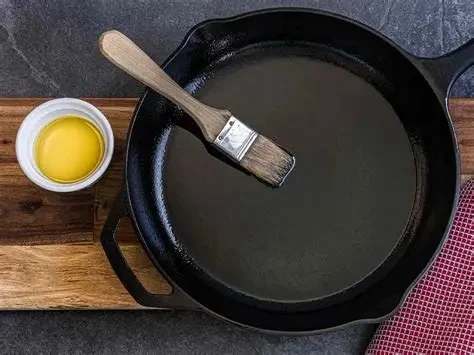
Professional Secrets Behind Perfect Cast Iron Skillet Refinishing
- 1. Why Refinishing Cast Iron Skillets is Important
- 2. Essential Tools for Cast Iron Skillet Refinishing
- 3. Step-by-Step Guide to Refinishing a Cast Iron Skillet
- 4. Common Mistakes to Avoid When Refinishing
- 5. Maintaining Your Refinished Cast Iron Skillet
1. Why Refinishing Cast Iron Skillets is Important
Cast iron skillets are prized for their durability, even heat distribution, and the unique flavors they impart to food. However, over time, they can lose their non-stick coating, become rusty, or develop food residue buildup that can affect cooking performance. Refinishing a cast iron skillet not only restores its functionality but also helps extend its lifespan. A well-refinished skillet can improve cooking performance and maintain the skillet’s value, ensuring it remains a cherished part of your kitchen for years to come.
2. Essential Tools for Cast Iron Skillet Refinishing
To get the best results when refinishing a cast iron skillet, you will need a few key tools and materials:
- Steel wool or abrasive pads: To remove rust, food buildup, and old seasoning.
- Cast iron cleaner: Specialized cleaners that help break down tough, stuck-on residues.
- Oven-safe oil: Flaxseed oil is a popular choice due to its ability to polymerize and create a durable non-stick layer.
- Oven: For heating the skillet during the seasoning process.
- Paper towels or cloths: To apply oil and wipe off excess during the seasoning process.
3. Step-by-Step Guide to Refinishing a Cast Iron Skillet
Refinishing a cast iron skillet is a multi-step process that requires patience, but the results are well worth the effort. Here’s a professional guide to get your skillet in top shape:
- Step 1: Clean the Skillet – Use steel wool or an abrasive pad to scrub away any rust, old seasoning, and debris. Wash with warm water and mild soap if necessary.
- Step 2: Dry Thoroughly – After cleaning, dry the skillet immediately to prevent further rusting.
- Step 3: Apply Oil – Rub a thin layer of your chosen oil (such as flaxseed oil) over the entire surface of the skillet, including the handle and exterior.
- Step 4: Bake the Skillet – Place the skillet upside down in a preheated oven at 450°F (230°C) for about an hour to allow the oil to bond with the surface and form a non-stick layer.
- Step 5: Repeat the Seasoning Process – For best results, repeat the oiling and baking process 2-3 times to build a solid seasoning layer.
4. Common Mistakes to Avoid When Refinishing
While refinishing a cast iron skillet is relatively straightforward, there are common mistakes to avoid:
- Using too much oil: Applying too much oil can result in a sticky finish. Be sure to wipe off excess oil before baking.
- Not drying thoroughly: Leaving moisture on the skillet can cause rusting. Ensure the skillet is completely dry before applying oil.
- Skipping the cleaning step: Failing to properly clean the skillet before seasoning will result in uneven seasoning.
- Not seasoning enough: Skipping multiple seasoning layers can result in a less effective non-stick surface.
5. Maintaining Your Refinished Cast Iron Skillet
Once you’ve refinished your cast iron skillet, proper maintenance is essential to keep it in great shape:
- Use it regularly: Regular use helps maintain the seasoning and prevents rusting.
- Clean gently: After each use, clean your skillet with minimal soap and water, using a brush or sponge to avoid damaging the seasoning.
- Re-oil as needed: If the skillet starts to look dull or food begins to stick, reapply a thin layer of oil and heat it again in the oven.





 NuFinishPro of Phoenix0.0 (0 reviews)
 Done Right Refinishing5.0 (1 reviews)
 Kitchen Cabinet | Kitchen Remodeling & Refacing by All Stylish Inc5.0 (71 reviews)
 JMEN RENOVATIONS LLC5.0 (14 reviews)
 MixStyle Kitchen & Bathroom Remodeling5.0 (32 reviews)
 Willis Builders Ltd.4.0 (32 reviews)
 How to Refurbish a Cast Iron Skillet at Home: A Complete Guide
 Best Products for Cast Iron Restoration Service: Top Tools and Products
 Simple At-Home Techniques for Cast Iron Restoration | Restore Your Cookware
 How to Restore Cast Iron at Home | A Complete Guide for Beginners
 How Long Does Cast Iron Skillet Refinishing Take? Realistic Timeline for Restoration
 What to Avoid When Attempting Cast Iron Refinishing: Common Mistakes to Watch Out For