
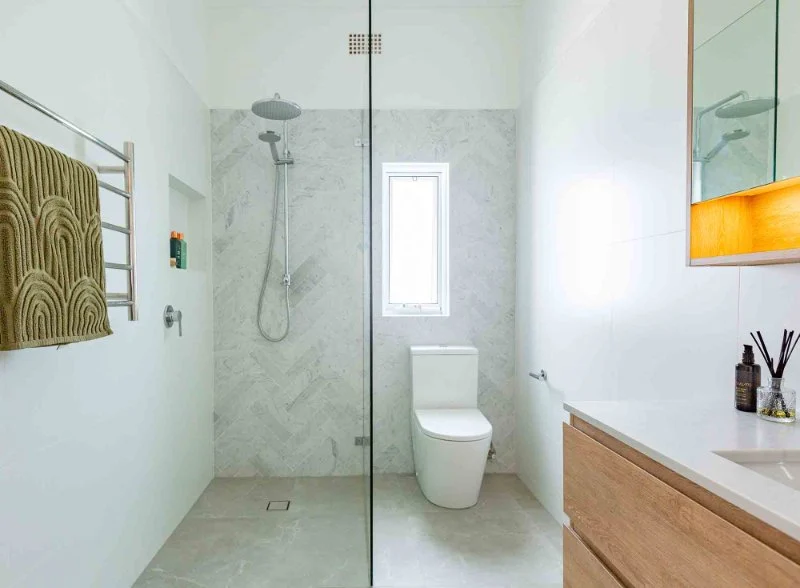
- Why Resurfacing is the Best Option
- Key Benefits of Bathroom Resurfacing
- Environmental Impact of Resurfacing
- Resurfacing vs Other Renovation Options
- Conclusion
Why Resurfacing is the Best Option for Outdated Bathrooms
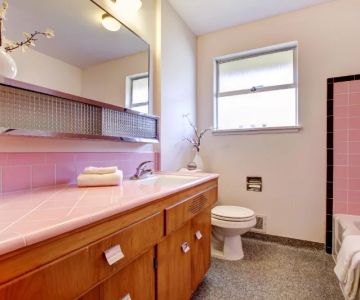
When it comes to updating an outdated bathroom, homeowners often face the decision of how to proceed with renovations. Traditionally, replacing old fixtures such as bathtubs, sinks, and countertops has been the go-to solution. However, resurfacing has become an increasingly popular and sustainable option. Resurfacing allows homeowners to restore their existing bathroom features without the need for costly and wasteful replacements.
Chicago Odorless Bathtub Refinishing / eco tub restoration
3236 W Eastwood Ave, Chicago, IL 60625, USA
Key Benefits of Bathroom Resurfacing
Resurfacing involves applying a new, durable coating to your existing bathroom fixtures to restore their appearance and functionality. This method offers several key benefits:
Miracle Method Surface Refinishing / miracle bathtub refinishing
Santa RosaSonoma CountyCalifornia
3200 Dutton Ave Suite #325, Santa Rosa, CA 95407, USA
1. Cost-Effective
Compared to fully replacing bathroom fixtures, resurfacing is significantly more affordable. Replacing bathtubs, sinks, and tiles can be an expensive and time-consuming process, with costs running into thousands of dollars. Resurfacing, on the other hand, costs a fraction of the price while achieving similar aesthetic results. This makes it an attractive option for homeowners looking to update their bathroom on a budget.
2. Time-Saving
Resurfacing is a much faster process than full replacement. While replacing a bathtub or sink can take days, resurfacing typically takes only a few hours to complete. Homeowners can enjoy a refreshed bathroom in a fraction of the time, minimizing disruptions to their daily routine.
3. Minimal Disruption
One of the major advantages of resurfacing is the minimal disruption to your home. Unlike major renovations that require demolition and construction work, resurfacing simply involves a coating application. This means less mess, no removal of old fixtures, and fewer disruptions to your home’s daily life.
Environmental Impact of Resurfacing
Resurfacing is not only cost-effective, but it also offers significant environmental benefits, making it the most sustainable choice for bathroom renovations.
1. Reduced Waste
Replacing old fixtures often leads to a significant amount of waste being sent to landfills. Bathtubs, sinks, and tiles that are discarded during a full replacement can take up valuable landfill space. By resurfacing your existing fixtures, you are helping to reduce the amount of waste generated during the renovation process.
2. Lower Carbon Footprint
Resurfacing is a less resource-intensive process than full replacements. The production and transportation of new fixtures involve energy consumption and carbon emissions. By resurfacing existing materials, you are contributing to a reduction in your home’s carbon footprint, making the renovation process more eco-friendly.
3. Eco-Friendly Materials
Many resurfacing companies use environmentally friendly materials that are low in volatile organic compounds (VOCs) and non-toxic. This makes resurfacing a healthier option for both your home and the environment compared to some traditional bathroom renovation materials, which can release harmful chemicals into the air.
Resurfacing vs Other Renovation Options
While resurfacing offers many advantages, it's essential to consider how it compares to other renovation options. Here's how resurfacing stacks up against some common alternatives:
1. Full Replacement
Full replacement involves removing old fixtures and installing new ones. While this provides a fresh look, it is the most expensive and time-consuming option. In addition to the high cost, full replacement generates more waste and requires more labor, which makes it a less sustainable choice compared to resurfacing. Resurfacing, in contrast, restores the existing fixtures and saves both time and money.
2. Refinishing
Refinishing is often used interchangeably with resurfacing, but there are subtle differences. While both methods involve applying a new coating, refinishing typically refers to a more basic process with less durability. Resurfacing is a more robust and longer-lasting solution, making it a better choice for those who want to extend the life of their bathroom fixtures without frequent touch-ups.
3. Repainting
Some homeowners opt for repainting bathroom surfaces as a quick and inexpensive solution. However, painting does not offer the same level of durability or water resistance as resurfacing. Over time, painted surfaces may peel, chip, or fade, requiring frequent touch-ups. Resurfacing, on the other hand, offers a longer-lasting and more resilient finish.
Conclusion
Resurfacing is undoubtedly the most sustainable and cost-effective option for updating outdated bathrooms. With its numerous benefits—including affordability, time savings, minimal disruption, and positive environmental impact—it is the ideal choice for homeowners looking to modernize their bathrooms without the waste and expense of full replacement. For the best resurfacing products and services, visit Cast Iron Restoration, where we offer expert solutions for your bathroom renovation needs.
 New Finish, Inc5.0 (13 reviews)
 JP Glazing5.0 (217 reviews)
 Tile Reglazing NY5.0 (3 reviews)
 NuFinishPro of Colorado Springs0.0 (0 reviews)
 NuFinishPro of Mission Valley5.0 (42 reviews)
 Dream Bath Solutions5.0 (24 reviews)
 How to Refurbish a Cast Iron Skillet at Home: A Complete Guide
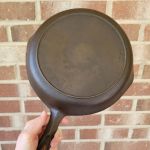 Best Products for Cast Iron Restoration Service: Top Tools and Products
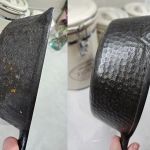 Simple At-Home Techniques for Cast Iron Restoration | Restore Your Cookware
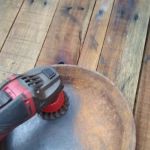 How to Restore Cast Iron at Home | A Complete Guide for Beginners
 How Long Does Cast Iron Skillet Refinishing Take? Realistic Timeline for Restoration
 What to Avoid When Attempting Cast Iron Refinishing: Common Mistakes to Watch Out For