
- 1. Introduction: The Art of Restoring Cast Iron Cookware
- 2. Mistake #1: Using Harsh Abrasives
- 3. Mistake #2: Skipping the Seasoning Process
- 4. Mistake #3: Overheating or Over-oiling
- 5. Mistake #4: Ignoring Rust Prevention
- 6. Real-Life Case: A Cast Iron Restoration Fail
- 7. Final Thoughts on Restoring Cast Iron
1. Introduction: The Art of Restoring Cast Iron Cookware
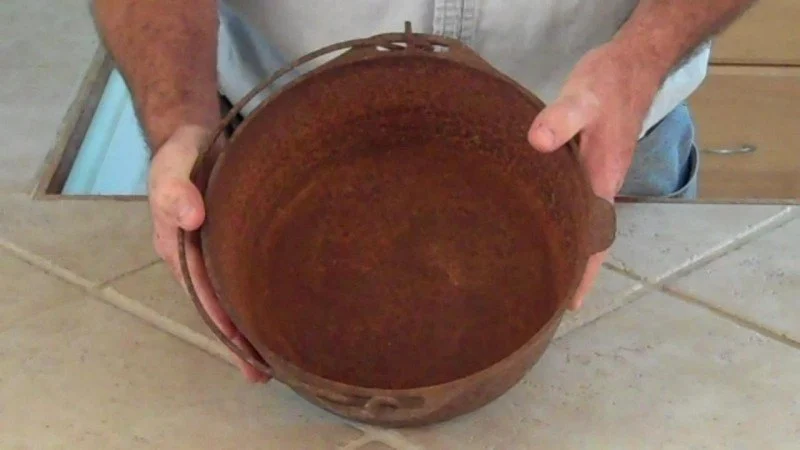
Restoring old cast iron cookware can be a rewarding process that breathes new life into a piece of kitchen history. Whether it's a vintage skillet passed down through generations or an old pan you've found at a flea market, restoring cast iron requires a delicate touch and the right techniques. However, many DIY enthusiasts make critical mistakes during the restoration process that can damage their cookware permanently. In this article, we’ll explore the top mistakes to avoid and provide tips on how to successfully restore your cast iron cookware.

Miracle Method Surface Refinishing / miracle bathtub refinishing
Santa RosaSonoma CountyCalifornia
3200 Dutton Ave Suite #325, Santa Rosa, CA 95407, USA
2. Mistake #1: Using Harsh Abrasives
One of the most common mistakes when restoring old cast iron is using harsh abrasives like steel wool or abrasive cleaning pads. While it may seem like a quick solution for removing rust or old seasoning, using too rough of an abrasive can permanently damage the surface of the cast iron. These tools can scratch the metal, creating tiny grooves where food particles and moisture can accumulate, leading to rust down the line.
Instead, opt for a gentler approach. Start with a scrub brush or a non-abrasive pad. For severe rust, you can use a fine-grit sandpaper or a specialized cast iron scrubber. The goal is to clean the pan without damaging the smooth surface that makes cast iron so effective for cooking.

Carefree Koatings / miracle method louisville ky
8919 Renetta Ct, Cincinnati, OH 45251, USA
3. Mistake #2: Skipping the Seasoning Process
After cleaning and restoring the cast iron, the next crucial step is seasoning. This process involves applying a thin layer of oil to the cookware and heating it to create a non-stick surface. Skipping this step or rushing through it can lead to uneven cooking and a pan that is prone to rusting.
To avoid this mistake, take your time with the seasoning process. Use vegetable oil or flaxseed oil (which is highly recommended for its high smoking point). Coat the pan with a thin, even layer of oil and bake it upside down in the oven at a high temperature for at least an hour. This process should be repeated a few times for optimal results. Proper seasoning creates a durable, non-stick surface that enhances your cooking experience.
4. Mistake #3: Overheating or Over-oiling
While seasoning is important, both overheating and over-oiling your cast iron are mistakes that can harm the cookware. Overheating cast iron can cause warping or cracking, and it can also lead to uneven seasoning. Similarly, applying too much oil can result in a sticky, uneven coating that makes the pan difficult to use and clean.
To avoid this, always follow the recommended temperatures and apply only a thin, even layer of oil when seasoning. Avoid using excessive heat during the seasoning process, and always allow the pan to cool before applying another layer of oil. Patience is key to achieving the best results.
5. Mistake #4: Ignoring Rust Prevention
Rust is one of the biggest enemies of cast iron. Many people neglect rust prevention during and after the restoration process, leading to long-term damage. It’s important to keep the pan dry and well-oiled, especially after use. Moisture is the primary cause of rust on cast iron, so always dry your cookware thoroughly after washing it and apply a light coat of oil before storing it.
Additionally, storing your cast iron in a humid environment or allowing it to air-dry without oiling it can accelerate rust formation. To prevent rust, keep your cast iron in a dry, well-ventilated place and ensure it’s properly seasoned after every use.
6. Real-Life Case: A Cast Iron Restoration Fail
John, a passionate cook, inherited an old cast iron skillet from his grandmother. Excited to restore it, he immediately took to scrubbing the pan with steel wool, thinking it would remove all the rust. Unfortunately, he damaged the surface of the pan, leaving it rough and uneven. He also skipped the seasoning process, thinking the skillet would naturally develop a non-stick layer after some use. Within a few months, his skillet was rusty and sticky, rendering it almost unusable.
After researching the proper restoration techniques, John started over, carefully cleaning the skillet with a fine brush, properly seasoning it, and storing it in a dry place. After several rounds of seasoning and use, the pan became a reliable kitchen tool again. His story is a reminder that cast iron restoration requires attention to detail and the right tools to ensure success.
7. Final Thoughts on Restoring Cast Iron
Restoring old cast iron cookware can be a rewarding process, but it’s essential to approach it with care and knowledge. Avoid common mistakes like using harsh abrasives, skipping seasoning, and over-oiling, and you’ll ensure your cast iron lasts for generations. Remember, patience and attention to detail are key in achieving the best results.
If you're looking for expert tools and guidance on cast iron restoration, visit Cast Iron Restoration for the best products and services tailored to your needs!






 Alpha & Omega Refinishers, LLC4.0 (61 reviews)
 Chicago Stars Refinishing5.0 (4 reviews)
 Schicker Luxury Bath5.0 (19 reviews)
 North County Refinishing4.0 (6 reviews)
 Greg The Contractor4.0 (26 reviews)
 Fisher Remodeling Services5.0 (45 reviews)
 How to Refurbish a Cast Iron Skillet at Home: A Complete Guide
 Best Products for Cast Iron Restoration Service: Top Tools and Products
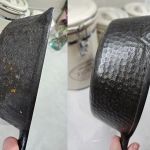 Simple At-Home Techniques for Cast Iron Restoration | Restore Your Cookware
 How to Restore Cast Iron at Home | A Complete Guide for Beginners
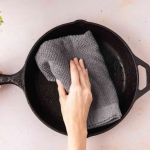 How Long Does Cast Iron Skillet Refinishing Take? Realistic Timeline for Restoration
 What to Avoid When Attempting Cast Iron Refinishing: Common Mistakes to Watch Out For