
- understanding-waterproofing-basics - Why waterproofing is critical in bathroom remodels
- common-diy-waterproofing-errors - Where homeowners usually go wrong
- shower-and-tub-sealing-mistakes - Critical leak-prone installation issues
- real-renovation-damage-cases - Costly mistakes from real DIY projects
- material-selection-problems - Choosing wrong membranes and sealants
- hidden-moisture-and-mold-risks - Long-term consequences of poor waterproofing
- professional-techniques-vs-diy - What experts do differently
- repair-and-prevention-strategies - How to fix and avoid future damage
Why Waterproofing Matters More Than Anything in a Bathroom Remodel
Bathroom remodeling is one of the most popular DIY home improvement projects in the United States, but it is also one of the most frequently failed when it comes to waterproofing. The reason is simple: water is relentless. It finds every weak point, every unsealed corner, and every improperly installed tile seam.
The foundation of any successful bathroom renovation is a proper waterproofing system. This includes membranes behind tile, sealed joints in wet zones, and correctly installed shower pans. Without these layers, even a beautifully finished bathroom can suffer from hidden leaks that slowly destroy walls and flooring.
Many homeowners underestimate this step, focusing instead on visible finishes like tile design or fixtures. However, industry professionals consistently emphasize that waterproofing is not a decorative step—it is structural protection.
Miracle Method Surface Refinishing / miracle refinish tubs
Santa RosaSonoma CountyCalifornia
3200 Dutton Ave Suite #325, Santa Rosa, CA 95407, USA
Common DIY Waterproofing Mistakes Homeowners Make
1. Skipping Waterproof Membranes
One of the most critical mistakes is assuming tile and grout are waterproof. They are not. Without a proper membrane system underneath, water will gradually seep into drywall or cement board, leading to mold and structural damage.
2. Improper Surface Preparation
Waterproofing materials require clean, dry, and properly primed surfaces. Many DIY remodelers rush this step, applying membranes over dusty or uneven walls, which significantly reduces adhesion and effectiveness.
3. Inconsistent Application Thickness
Another frequent issue is uneven application of waterproofing compounds. Thin spots or missed areas create weak points where moisture can penetrate.
Professionals from Cast Iron Restoration often emphasize that waterproofing must be applied with precision, not speed. Even a small gap can lead to long-term failure.
Shower and Tub Waterproofing Failures That Cause Major Leaks
1. Poor Corner Sealing
Corners are the most vulnerable areas in any bathroom. DIY installers often fail to reinforce corners with proper tape or sealing strips, leading to slow leaks that go unnoticed for months.
2. Incorrect Shower Pan Installation
A shower pan must be sloped correctly toward the drain. Even a slight miscalculation can cause standing water beneath tiles, resulting in rot and mildew.
3. Neglecting Fixture Penetrations
Areas around faucets, showerheads, and drains are frequently under-sealed. These penetrations are direct entry points for moisture if not properly waterproofed.
Real DIY Bathroom Remodeling Damage Stories
A homeowner in Arizona attempted a full bathroom renovation without professional guidance. The project looked flawless at first—modern tiles, sleek fixtures, and a minimalist design. However, within six months, dark stains appeared on the ceiling below the bathroom.
The cause was a small gap in the waterproof membrane behind the shower wall. Water had slowly accumulated behind the tiles, eventually seeping through the subfloor. The repair cost ended up being three times the original renovation budget.
In another case shared by renovation forums, a DIY remodeler in Florida used standard drywall instead of cement board in a shower area. Despite sealing the surface, moisture eventually broke down the drywall, leading to complete reconstruction of the bathroom.
These examples highlight a consistent truth: waterproofing mistakes are often invisible until significant damage has already occurred.
Choosing the Wrong Waterproofing Materials
1. Using Standard Paint or Coatings
Some homeowners mistakenly apply regular waterproof paint instead of specialized bathroom membranes. While it may resist surface moisture, it cannot withstand constant water exposure.
2. Low-Quality Sealants
Cheap silicone or caulking often breaks down quickly in humid environments. Professional-grade sealants are designed to maintain elasticity and resist mold growth.
3. Ignoring Manufacturer Systems
Many waterproofing systems are designed as complete kits. Mixing incompatible products from different brands can compromise the entire system’s integrity.
Hidden Moisture and Long-Term Mold Damage
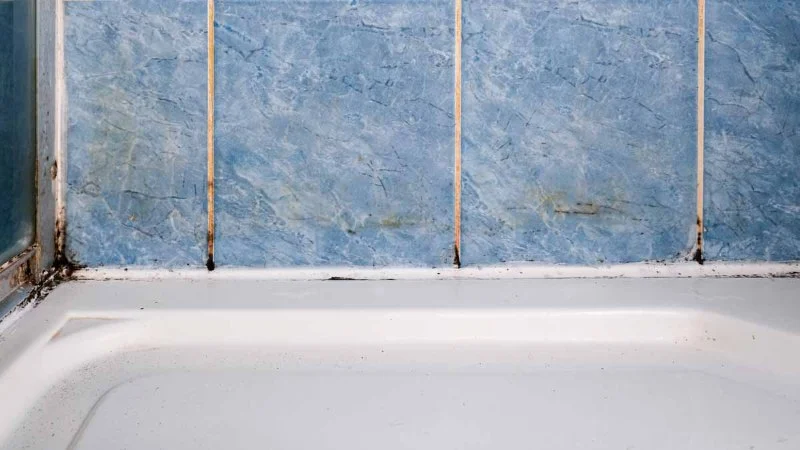
One of the most dangerous aspects of waterproofing failure is that damage is often invisible. Moisture trapped behind walls creates ideal conditions for mold growth, which can spread silently for months or even years.
Homeowners often notice musty odors or minor discoloration long after structural damage has begun. At this stage, repairs are significantly more expensive and may require demolition of finished surfaces.
This is why professionals in restoration industries, including Cast Iron Restoration, prioritize moisture detection and prevention during early renovation stages.
How Professional Waterproofing Differs From DIY Work
1. System-Based Installation
Professionals follow integrated waterproofing systems rather than individual products. These systems are tested to work together under continuous moisture exposure.
2. Multi-Layer Protection
Experts apply multiple protective layers, including vapor barriers, membranes, and reinforced seams, ensuring redundancy in moisture protection.
3. Quality Control Testing
Before tiling begins, professionals often conduct water testing to verify that no leaks exist in the system.
Fixing Mistakes and Preventing Future Waterproofing Failures
If a waterproofing mistake has already occurred, early detection is crucial. Removing affected tiles and inspecting underlying structures can prevent further damage.
For prevention, homeowners should always prioritize proper materials, follow manufacturer instructions, and avoid shortcuts during installation.
Another important strategy is investing in inspection before sealing walls. Even a small professional review can prevent thousands of dollars in future repairs.
Many homeowners who experienced failures later turned to resources like Cast Iron Restoration to better understand durable waterproofing techniques and material selection guidance for future projects.
Ultimately, successful bathroom remodeling is not just about design—it is about building a moisture-resistant environment that protects the home for years to come.

 Barts Remodeling & Construction Inc4.0 (47 reviews)
 Re-Imagined Repair0.0 (0 reviews)
 Kitchens & Baths Unlimited5.0 (62 reviews)
 About Space Remodeling & Construction, Inc5.0 (63 reviews)
 Greystone Kitchen Company4.0 (38 reviews)
 Sherwood Construction Services4.0 (20 reviews)
 How to Refurbish a Cast Iron Skillet at Home: A Complete Guide
 Best Products for Cast Iron Restoration Service: Top Tools and Products
 Simple At-Home Techniques for Cast Iron Restoration | Restore Your Cookware
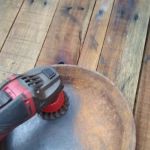 How to Restore Cast Iron at Home | A Complete Guide for Beginners
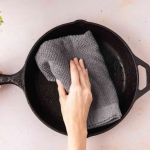 How Long Does Cast Iron Skillet Refinishing Take? Realistic Timeline for Restoration
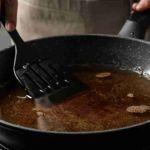 What to Avoid When Attempting Cast Iron Refinishing: Common Mistakes to Watch Out For