
- understanding-the-difference-between-tub-refinishing-and-replacement
- evaluating-the-return-on-investment-roi-for-your-bathroom-project
- cost-analysis-and-lifespan-comparison-of-refinishing-vs-replacement
- real-life-case-study-of-successful-tub-refinishing-and-replacement
- practical-tips-for-deciding-the-best-option-for-your-bathroom
1. Understanding the Difference Between Tub Refinishing and Replacement
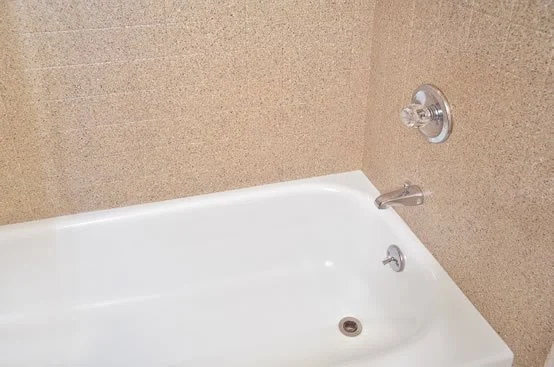
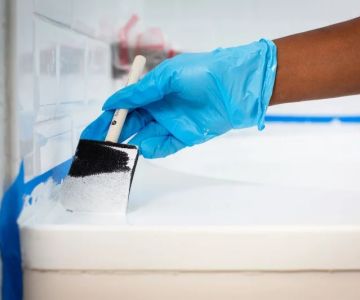
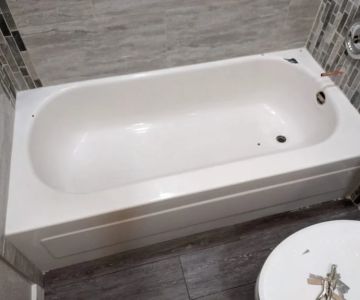
Tub refinishing, also known as resurfacing or reglazing, involves applying a new coating over your existing bathtub to restore its appearance and functionality. This process can be particularly effective for cast iron tubs, which retain their durability but often suffer from chipped enamel or stains over time.
On the other hand, tub replacement requires removing the old bathtub and installing a completely new one. Replacement offers a chance to upgrade your bathroom’s design, change the tub style, or improve ergonomics, but it typically involves higher labor costs, plumbing adjustments, and a longer renovation period.
From a homeowner’s perspective, understanding these differences is crucial. Refinishing is less invasive and faster, while replacement is more comprehensive and allows for a complete bathroom overhaul. Each approach carries distinct benefits depending on your priorities for aesthetics, functionality, and budget.

Chicago Odorless Bathtub Refinishing / eco tub restoration
3236 W Eastwood Ave, Chicago, IL 60625, USA
2. Evaluating the Return on Investment (ROI) for Your Bathroom Project
Return on investment is a key consideration when deciding between tub refinishing and tub replacement. ROI in this context refers to the financial value added to your home versus the cost of renovation.
Tub refinishing generally provides a higher ROI percentage because the cost is significantly lower than full replacement. For example, a refinishing project might cost $500 to $1,000, whereas replacement could easily exceed $2,500 depending on materials and labor. Yet, a well-done replacement may increase long-term home value, especially in high-end markets where buyers prioritize modern bathrooms.
Homeowners should weigh immediate budget constraints against potential long-term gains. Cast iron tubs, in particular, hold value over time when refinished professionally. This is where services like Cast Iron Restoration come into play, offering expert refinishing that maximizes both visual appeal and ROI.

Carefree Koatings / miracle method louisville ky
8919 Renetta Ct, Cincinnati, OH 45251, USA
3. Cost Analysis and Lifespan Comparison of Refinishing vs Replacement
When assessing costs, it’s important to include both the initial expense and the longevity of the solution. Tub refinishing typically costs a fraction of replacement and can extend the life of your bathtub by 10-15 years if done correctly. In contrast, a replacement may last 20-30 years, but with a significantly higher upfront cost.
Maintenance is another factor. Refinished tubs may require touch-ups over time, particularly if the surface experiences heavy wear. Replacement tubs usually need minimal maintenance initially, but renovations involving plumbing and installation can introduce additional hidden costs.
A practical scenario involves an older home with a vintage cast iron tub. Refinishing restores the original tub’s aesthetic, preserving the character of the bathroom at a fraction of the replacement cost. Conversely, a full replacement in the same setting might modernize the look but could compromise the home’s original charm, depending on design choices.
4. Real-Life Case Study of Successful Tub Refinishing and Replacement
Consider a homeowner in a mid-century bathroom seeking to improve their outdated bathtub. After consulting a professional, they decided to refinish their cast iron tub. The refinishing cost was $800, completed within a single weekend, and resulted in a like-new finish that impressed both the homeowner and visiting friends.
In contrast, a neighbor opted for full tub replacement, spending $3,200 and requiring two weeks of labor, including plumbing adjustments and bathroom tile repairs. While the outcome was visually modern, the ROI was lower due to higher costs and temporary inconvenience.
These real-life cases highlight that refinishing often achieves a more cost-effective and time-efficient solution while maintaining home value, particularly for homeowners who prioritize preserving original features.
5. Practical Tips for Deciding the Best Option for Your Bathroom
When choosing between tub refinishing and replacement, consider these practical steps:
- Assess the tub’s structural integrity. Hairline cracks or rust may necessitate replacement rather than refinishing.
- Evaluate budget constraints and desired ROI. If cost-effectiveness is the priority, refinishing is often preferable.
- Consider aesthetic goals. Refinishing preserves vintage charm, whereas replacement allows full design updates.
- Consult a professional. Services like Cast Iron Restoration can provide a realistic assessment of potential ROI and expected results.
- Factor in timeline and disruption. Refinishing typically takes 1-3 days, while replacement may take weeks.
By balancing these factors, homeowners can make an informed decision that aligns with financial goals, design preferences, and practical considerations, ensuring a successful bathroom upgrade.




 Re-Bath4.0 (506 reviews)
 Surface Spark Refinishing4.0 (5 reviews)
 Studio41 Home Design Showroom3.0 (75 reviews)
 Reliable Properties Construction4.0 (11 reviews)
 FINAL DESIGN Kitchen / Bath4.0 (25 reviews)
 JMEN RENOVATIONS LLC5.0 (14 reviews)
 How to Refurbish a Cast Iron Skillet at Home: A Complete Guide
 Best Products for Cast Iron Restoration Service: Top Tools and Products
 Simple At-Home Techniques for Cast Iron Restoration | Restore Your Cookware
 How to Restore Cast Iron at Home | A Complete Guide for Beginners
 How Long Does Cast Iron Skillet Refinishing Take? Realistic Timeline for Restoration
 What to Avoid When Attempting Cast Iron Refinishing: Common Mistakes to Watch Out For