
- Why Cast Iron Cookware Needs Repair
- Common Issues with Cast Iron Cookware
- How to Repair Cast Iron Cookware: Step-by-Step Guide
- Cast Iron Restoration Techniques Used by Professionals
- How to Prevent Damage and Keep Your Cast Iron in Top Condition
Why Cast Iron Cookware Needs Repair
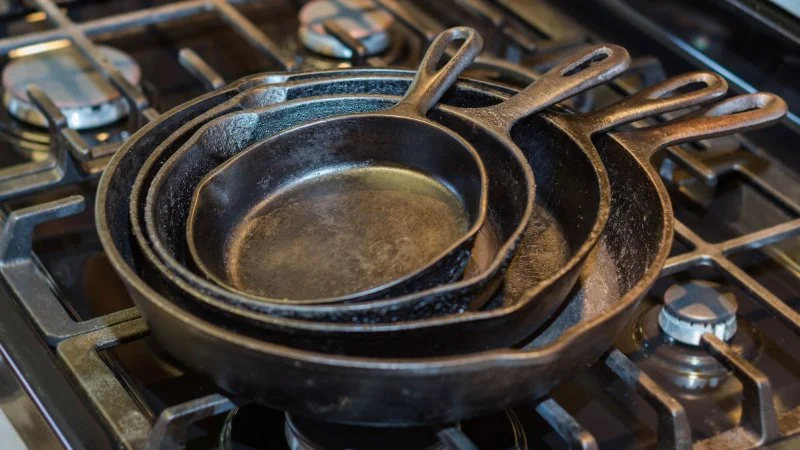
Cast iron cookware is known for its durability and exceptional heat retention, but it’s not invincible. Over time, even the best-quality cast iron can develop issues such as rust, cracks, or worn-out seasoning. While it may seem like a hassle to repair, doing so can actually extend the life of your cookware, preserving its performance and value for years to come.
Many people don’t realize that vintage cast iron pieces, passed down through generations, can often be restored to like-new condition with a little care. Repairing your cast iron cookware isn’t just about fixing the issues; it’s also about maintaining its cooking efficiency and aesthetic appeal. Whether you’ve inherited an old skillet or simply want to maintain your go-to frying pan, understanding how to repair cast iron cookware is essential for any home cook or collector.

Miracle Method Surface Refinishing / miracle bathtub refinishing
Santa RosaSonoma CountyCalifornia
3200 Dutton Ave Suite #325, Santa Rosa, CA 95407, USA
Common Issues with Cast Iron Cookware
Before diving into the repair process, it’s important to identify common issues that can occur with cast iron cookware. Some of these problems are easy to fix, while others might require more extensive restoration. Here are some common issues you might encounter:
- Rust: One of the most common problems with cast iron cookware is rust. Rust forms when the cookware is exposed to moisture, especially if it’s left wet for an extended period or not properly seasoned.
- Cracks and Chips: Cast iron is durable, but it can still crack or chip under extreme conditions. Dropping the cookware or sudden temperature changes can cause it to break or develop small fractures.
- Worn-Out Seasoning: Over time, the seasoning on your cast iron can wear thin, leading to a less effective non-stick surface. Without proper seasoning, your cookware may also be more prone to rusting.
- Uneven Surface: The cooking surface of cast iron cookware can sometimes become uneven, leading to poor heat distribution. This can happen due to manufacturing defects or wear from excessive use.
How to Repair Cast Iron Cookware: Step-by-Step Guide
Repairing cast iron cookware is not as difficult as it might sound. Here’s a basic guide on how to tackle the most common issues:
- Repairing Rust: To remove rust, start by scrubbing the affected areas with a wire brush or steel wool. Once the rust is gone, wash the cookware with warm water and mild soap, then dry it thoroughly. Apply a thin layer of vegetable oil or another seasoning oil to the entire surface and bake it in the oven at a high temperature (around 450°F) for an hour to restore the seasoning.
- Fixing Cracks and Chips: If your cast iron cookware has a crack or chip, it’s best to take it to a professional for welding or epoxy repair. In some cases, using a high-temperature cast iron epoxy can fill small chips and cracks, but it’s essential to follow the manufacturer’s instructions for best results.
- Re-seasoning: For worn-out seasoning, start by cleaning the cookware to remove any old oils or debris. Apply a thin layer of oil, then bake the skillet in an oven upside down for an hour at 450°F to reintroduce a protective non-stick coating.
Cast Iron Restoration Techniques Used by Professionals
Professionals use advanced techniques to restore cast iron cookware to its original condition, especially when the cookware is old, heavily rusted, or damaged. Some common professional restoration methods include:
- Sandblasting: Sandblasting is an effective way to remove rust and debris from cast iron cookware. The high-pressure air helps strip away old seasoning and corrosion, revealing a clean, smooth surface.
- Electrolysis: Electrolysis is a method used to remove rust using a mild electrical current. This process can be especially useful for deep rust removal without damaging the cast iron itself.
- Heat Treatment: Professional restorers may use heat treatment to fix cracks or help the metal become more pliable. This is often used for vintage pieces that need to be reworked or reconditioned before seasoning.
How to Prevent Damage and Keep Your Cast Iron in Top Condition
Preventing damage to your cast iron cookware is easier than repairing it. Here are some professional tips for maintaining your cookware:
- Clean Immediately After Use: Don’t let food sit in your cast iron cookware for too long. Clean it while it’s still warm to prevent food from sticking and forming tough residues that are hard to remove.
- Always Dry Completely: After cleaning, make sure your cast iron cookware is thoroughly dry before storing it. Any moisture left behind can cause rust.
- Regularly Re-season: Re-season your cast iron cookware regularly to ensure it maintains its non-stick surface and prevents rust. This can be done by applying a thin coat of oil and baking it in the oven.
- Avoid Soaking: Never soak your cast iron cookware in water for extended periods. This can lead to rusting and damage to the seasoning layer.
- Store in a Dry Place: Store your cast iron cookware in a dry, well-ventilated area to avoid moisture buildup, which can lead to rust and deterioration.
If you’re looking for professional assistance with cast iron cookware repair or restoration, check out Cast Iron Restoration for expert services and high-quality products designed to bring your cookware back to life.



 Designer Kitchen & Baths Inc5.0 (3 reviews)
 Five Star Bath Solutions of Jacksonville4.0 (176 reviews)
 HM Cabinets East Brunswick4.0 (151 reviews)
 Vinis Renovation & Restoration5.0 (75 reviews)
 TLC Renovation4.0 (48 reviews)
 Paramount Renovation Group Inc4.0 (6 reviews)
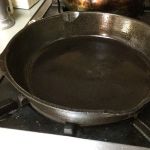 How to Refurbish a Cast Iron Skillet at Home: A Complete Guide
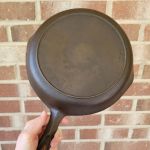 Best Products for Cast Iron Restoration Service: Top Tools and Products
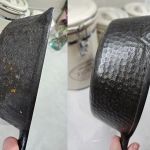 Simple At-Home Techniques for Cast Iron Restoration | Restore Your Cookware
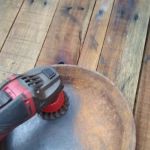 How to Restore Cast Iron at Home | A Complete Guide for Beginners
 How Long Does Cast Iron Skillet Refinishing Take? Realistic Timeline for Restoration
 What to Avoid When Attempting Cast Iron Refinishing: Common Mistakes to Watch Out For