
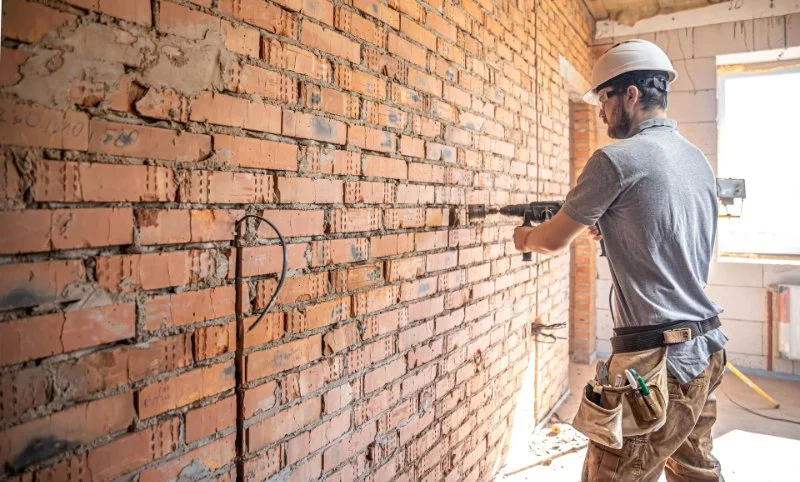
- surface-preparation-errors-refinishing-work - Why preparation determines final durability
- coating-and-application-mistakes-contractors - How improper application leads to early failure
- humidity-and-curing-problems-refinishing - Environmental factors often ignored by beginners
- material-selection-and-compatibility-issues - Wrong products causing long-term damage
- real-world-refinishing-case-failures - Common contractor mistakes seen in actual projects
Why Refinishing Quality Depends Heavily on Contractor Experience
Surface refinishing has become a popular way for homeowners to restore bathtubs, sinks, and other fixtures without full replacement. However, the difference between a long-lasting finish and a quickly failing surface often comes down to contractor experience. Many refinishing mistakes occur not because the concept is flawed, but because execution requires precision and technical understanding.
Inexperienced contractors often underestimate how sensitive refinishing materials are to preparation, environment, and application timing. As a result, issues like peeling coatings, uneven textures, and discoloration appear much sooner than expected. These problems not only reduce visual appeal but can also affect long-term structural integrity.
In the restoration industry, professionals often say that refinishing success is 70% preparation and only 30% application. That balance explains why so many contractor refinishing errors are preventable with proper training and process control.
Poor Surface Preparation: The Most Critical Mistake
Among all surface refinishing issues, inadequate preparation is the most common and damaging. Before any coating is applied, surfaces must be thoroughly cleaned, stripped, and properly etched to ensure adhesion.
Inexperienced contractors sometimes rush this step, especially when trying to complete multiple jobs in a short timeframe. They may skip deep cleaning, fail to remove old coatings fully, or neglect proper sanding techniques.
A typical example involves cast iron bathtubs. If the original enamel is not properly etched or cleaned, new coatings will struggle to bond. Within months, peeling or bubbling may begin to appear, especially in high-moisture environments like bathrooms.
Professionals specializing in cast iron tub refinishing often emphasize that even minor contamination—such as soap residue or mineral buildup—can compromise the entire job.
Improper Coating Application and Uneven Finishes
Another frequent issue in bathtub refinishing problems is incorrect coating application. This includes spraying too thick, too thin, or uneven layers that result in inconsistent curing.
When coatings are applied improperly, the surface may appear fine initially but begin to degrade quickly. Thick layers can trap air bubbles, while thin layers may not provide sufficient durability. Both scenarios lead to premature failure.
In one documented renovation case in Florida, a homeowner hired a low-cost contractor to refinish a fiberglass tub. Within six weeks, the surface began showing streaks and dull patches. The contractor had applied the coating in a single heavy pass instead of multiple controlled layers.
This highlights why precision and technique are essential in preventing coating failure refinishing outcomes.
Environmental Factors: Humidity and Curing Conditions
One of the most overlooked causes of refinishing failure is environment control. Temperature and humidity significantly impact how coatings cure and bond to surfaces.
Inexperienced contractors often fail to account for these variables, leading to long-term durability issues. High humidity can slow curing times, while low temperatures may prevent coatings from setting properly.
For example, in coastal regions where humidity levels are consistently high, improper curing can result in soft surfaces that remain tacky for days. Over time, this leads to reduced durability and early surface breakdown.
Proper refinishing professionals adjust application timing, ventilation, and drying conditions to ensure optimal results. Ignoring these factors is one of the most preventable refinishing durability problems.
Material Compatibility Issues That Lead to Early Failure
Not all refinishing materials work together, and using incompatible products is another common mistake among inexperienced contractors. This includes mixing coatings from different manufacturers or applying modern coatings over outdated primers.
These mismatches often result in chemical reactions that weaken adhesion. The surface may appear stable initially, but over time it can blister, crack, or peel.
A renovation case in Texas involved a homeowner who experienced rapid coating failure after a contractor used a generic primer with a specialized epoxy topcoat. The materials were not designed to interact, resulting in full surface failure within three months.
This type of issue demonstrates why understanding product systems is essential for avoiding long-term refinishing mistakes.
Real Case Study: When Cost-Cutting Leads to Costly Repairs
A widely discussed case in the restoration industry involved a multi-unit apartment complex where several bathtubs were refinished by a budget contractor. The initial results looked acceptable, but within a year, multiple units showed peeling and discoloration.
An investigation revealed several issues: insufficient surface preparation, rushed application, and poor environmental control during curing. The contractor had prioritized speed over process quality to reduce labor costs.
The property manager ultimately had to hire a specialized restoration team to strip and redo all affected surfaces. The total cost exceeded what a proper refinishing job would have required initially.
This case is frequently referenced as an example of how contractor refinishing errors can escalate into large-scale financial losses when quality standards are ignored.
How Homeowners Can Avoid Refinishing Failures
Understanding common mistakes helps homeowners make better hiring decisions. Asking about preparation methods, material systems, and curing processes can reveal whether a contractor is experienced or cutting corners.
Experienced professionals, especially those working in specialized restoration fields like Cast Iron Restoration, typically follow strict multi-step processes to ensure durability and finish quality.
Homeowners should also be cautious of unusually low pricing, as it often reflects skipped steps or inferior materials. A properly executed refinishing job should balance cost efficiency with technical precision.
Ultimately, avoiding refinishing failures is less about luck and more about choosing contractors who prioritize process discipline over speed.




 Crimson Design & Construction5.0 (21 reviews)
 Bathroom & Kitchen Remodel Stony Brook5.0 (29 reviews)
 Bay State Remodeling4.0 (169 reviews)
 Clever Design & Remodeling5.0 (22 reviews)
 Florida Bathtub Refinishing5.0 (1478 reviews)
 Dreamline Kitchen & Bathroom Remodeling5.0 (50 reviews)
 How to Refurbish a Cast Iron Skillet at Home: A Complete Guide
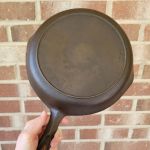 Best Products for Cast Iron Restoration Service: Top Tools and Products
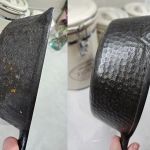 Simple At-Home Techniques for Cast Iron Restoration | Restore Your Cookware
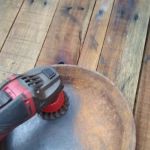 How to Restore Cast Iron at Home | A Complete Guide for Beginners
 How Long Does Cast Iron Skillet Refinishing Take? Realistic Timeline for Restoration
 What to Avoid When Attempting Cast Iron Refinishing: Common Mistakes to Watch Out For