
- Understanding Fiberglass Fixtures - structure, weaknesses, and repair needs
- What an Expert Contractor Actually Does - professional fiberglass repair workflow
- How Long Fiberglass Fixture Repair Lasts - durability expectations and influencing factors
- Common Red Flags in Poor Repairs - spotting low-quality restoration work early
- Real Homeowner Case Stories - lessons from failed and successful repairs
- Cost Factors and Value Analysis - what influences repair pricing in the U.S.
- Maintenance Tips After Repair - extending lifespan of restored fixtures
- When to Repair vs Replace - making the right long-term decision
- Professional Services and Guidance via Cast Iron Restoration - expert-level support
Understanding Fiberglass Fixtures and Why They Fail Over Time
Fiberglass fixtures are everywhere in American homes—bathtubs, shower pans, wall surrounds, and utility sinks. They became popular because they are lightweight, affordable, and relatively easy to install compared to cast iron or ceramic alternatives.
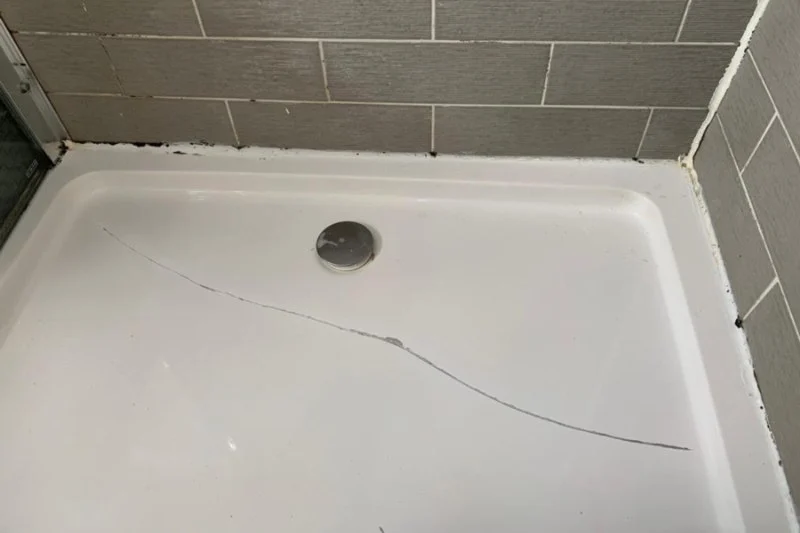
However, fiberglass is not indestructible. Over time, daily use, water exposure, and structural stress begin to break down the gel coat surface. What starts as a small cosmetic crack can slowly evolve into deeper structural damage that affects the entire fixture.
In many homes, especially rental properties or older remodels, homeowners first notice issues as discoloration, soft spots underfoot, or hairline cracks near drain areas. These signs are often ignored until water leakage or mold growth becomes visible, which significantly increases repair complexity.
Understanding the nature of fiberglass is essential before discussing fiberglass fixture repair. Unlike solid materials, fiberglass is layered—meaning damage often extends beyond what is visible on the surface.
Miracle Method Surface Refinishing / miracle refinish tubs
Santa RosaSonoma CountyCalifornia
3200 Dutton Ave Suite #325, Santa Rosa, CA 95407, USA
What an Expert Contractor Does During Fiberglass Fixture Repair
A professional approach to fiberglass fixture repair is far more detailed than most homeowners expect. A skilled contractor does not simply “patch” the surface; they evaluate structural integrity, moisture penetration, and long-term adhesion potential before beginning any restoration work.
The process typically begins with a full inspection of the fixture. This includes checking for flex movement when weight is applied, identifying hidden cracks, and testing for water intrusion beneath the gel coat layer.
Once assessment is complete, the damaged area is carefully prepared. This often involves grinding out cracks, removing weakened layers, and drying any trapped moisture. Proper surface preparation is one of the most critical steps in ensuring long-lasting repair performance.
After preparation, specialized fiberglass resin and reinforcement materials are applied. Unlike DIY kits, professional-grade materials are designed to bond at a structural level, not just cosmetic coverage. This is where experience matters significantly—incorrect resin ratios or curing conditions can lead to early failure.
Finally, the surface is refinished using gel coating techniques that restore both appearance and water resistance. When done correctly, the repaired area blends seamlessly with the original fixture, making damage virtually invisible.
America Refinishing Pros / america refinishing pros
9510 SW 137th Ave, Miami, FL 33186, USA
How Long Fiberglass Fixture Repair Lasts in Real Conditions
One of the most common questions homeowners ask is how long a fiberglass fixture repair will actually last. The answer depends heavily on workmanship quality, usage intensity, and underlying structural condition before repair.
In professionally executed repairs, lifespan can range from 5 to 15 years. However, this assumes that the underlying structure was properly stabilized and that the fixture is not subjected to excessive movement or water infiltration afterward.
High-traffic bathrooms, such as those in rental units or large households, may experience faster wear. In contrast, lightly used guest bathrooms often maintain repairs for much longer periods without visible degradation.
Environmental conditions also matter. Constant humidity, poor ventilation, or frequent hot water exposure can accelerate breakdown of even high-quality repairs. This is why contractors often recommend pairing repair work with ventilation improvements or sealing upgrades.
A well-executed fiberglass fixture repair is not just a temporary fix—it is a structural restoration that, when maintained properly, can significantly extend the life of the fixture without full replacement costs.
Common Red Flags in Poor Fiberglass Repair Work
Not all repair jobs are created equal. In fact, one of the biggest risks homeowners face is hiring underqualified contractors who perform cosmetic-only fixes that fail within months.
One major red flag is overly fast completion time. Proper fiberglass fixture repair requires curing time, layering, and finishing stages. If a contractor promises a same-day permanent solution, caution is warranted.
Another warning sign is uneven surface texture or visible brush marks after completion. While minor imperfections may seem cosmetic, they often indicate poor adhesion or improper material application underneath.
A more serious issue is recurring cracks in the same area shortly after repair. This usually suggests that the underlying structural problem was never addressed, only covered temporarily.
Homeowners should also be cautious when contractors avoid discussing materials or refuse to explain their process. Transparency is a key indicator of professionalism in restoration work.
Real Homeowner Experiences and Repair Outcomes
In one commonly reported case from a suburban home renovation project, a homeowner attempted a budget fiberglass repair on a cracked shower base. Within three months, the repaired area began flexing again, eventually leading to a full leak into the subfloor. The root cause was untreated structural weakness beneath the surface layer.
In contrast, another homeowner in Florida invested in a professional restoration for a 20-year-old fiberglass tub with multiple stress cracks. The contractor fully restructured the damaged base layer before refinishing the surface. Five years later, the fixture remains stable with no visible deterioration.
These examples highlight a critical truth: the difference between a short-term patch and a long-term solution lies in structural preparation, not just surface appearance.
Homeowners often underestimate how much hidden damage exists beneath fiberglass surfaces. Without proper inspection, repairs may look successful initially but fail under normal use conditions.
Cost Factors and Value Behind Fiberglass Fixture Repair
Pricing for fiberglass fixture repair in the United States varies widely depending on damage severity, fixture size, and contractor expertise. Minor cosmetic repairs may cost significantly less than structural reconstruction work.
However, focusing solely on price can be misleading. A lower upfront cost may result in repeated repairs, while a higher-quality restoration often eliminates long-term replacement expenses.
Additional cost factors include accessibility of the fixture, level of water damage, and whether mold remediation is required before repair begins.
In many cases, homeowners discover that investing in professional restoration is more cost-effective than full replacement, especially when plumbing and tile work would otherwise need to be disturbed.
Services like Cast Iron Restoration often provide evaluation-based recommendations that help homeowners decide whether repair or replacement offers better long-term value.
Maintenance Tips After Fiberglass Repair
After a successful fiberglass fixture repair, proper maintenance plays a crucial role in preserving the results. Gentle cleaning methods should be used to avoid damaging the restored gel coat surface.
Harsh chemical cleaners or abrasive scrubbing tools can degrade the finish prematurely. Instead, mild cleaning solutions and soft sponges help maintain surface integrity over time.
It is also important to monitor for early warning signs such as slight discoloration or minor flexing under pressure. Addressing small issues early prevents larger structural failures later.
Ensuring proper bathroom ventilation helps reduce moisture buildup, which is one of the leading causes of long-term fiberglass deterioration.
When to Repair vs Replace Fiberglass Fixtures
Deciding between repair and replacement depends on both structural condition and long-term usage expectations. If damage is limited to surface cracks and the base structure remains stable, repair is often the most practical solution.
However, if there is widespread flexing, deep water intrusion, or recurring failure after previous repairs, replacement may be the more reliable option.
A professional contractor typically evaluates subfloor conditions, plumbing integrity, and overall fixture stability before making a recommendation.
In many residential cases, restoration provides a balance between cost efficiency and durability, especially when performed by experienced technicians using industrial-grade materials.
Professional Guidance and Support via Cast Iron Restoration
Navigating fiberglass fixture repair decisions can be challenging for homeowners who are unsure about damage severity or long-term outcomes.
Cast Iron Restoration provides guidance and service solutions tailored to fixture evaluation, restoration planning, and long-term durability strategies. Their approach emphasizes structural integrity rather than surface-level fixes.
For homeowners dealing with recurring cracks, leaks, or aging bathroom fixtures, professional insight can prevent costly mistakes and ensure that repair investments deliver meaningful long-term results.
Ultimately, understanding how fiberglass systems behave—and how expert contractors restore them—helps homeowners make more informed decisions that protect both property value and daily functionality.




 Skill Basement Remodeling Company5.0 (22 reviews)
 UR Bathtub Resurface0.0 (0 reviews)
 Soliman Remodeling5.0 (4 reviews)
 MR Kitchen Cabinets Refacing5.0 (2 reviews)
 Like New Bathtub Refinishing4.0 (54 reviews)
 Lotz Custom Carpentry, Inc.4.0 (59 reviews)
 How to Refurbish a Cast Iron Skillet at Home: A Complete Guide
 Best Products for Cast Iron Restoration Service: Top Tools and Products
 Simple At-Home Techniques for Cast Iron Restoration | Restore Your Cookware
 How to Restore Cast Iron at Home | A Complete Guide for Beginners
 How Long Does Cast Iron Skillet Refinishing Take? Realistic Timeline for Restoration
 What to Avoid When Attempting Cast Iron Refinishing: Common Mistakes to Watch Out For