
- -Evolution of Bathroom Surface Technology-evolution-bathroom-surfaces
- -Why Non-Porous Materials Matter in Modern Bathrooms-non-porous-materials-benefits
- -Self-Cleaning Surface Innovations in Residential Design-self-cleaning-surface-innovation
- -Real Home Renovation Case: Before and After Transformation-bathroom-renovation-case-study
- -Scientific Principles Behind Hygiene Surfaces-science-of-hygienic-materials
- -Popular Materials Used in Modern Bathroom Surfaces-popular-modern-materials
- -Maintenance Differences Compared to Traditional Materials-maintenance-comparison
- -Cost Considerations and Long-Term Value-cost-and-long-term-value
- -Design Trends in Luxury and Everyday Bathrooms-bathroom-design-trends
- -Professional Recommendations and Industry Insights-professional-insights
- -Future Outlook of Bathroom Surface Technology-future-outlook-materials
Evolution of Bathroom Surface Technology in Modern Homes
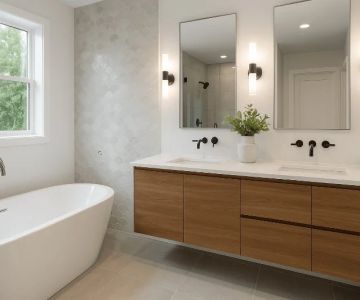
Bathroom design in the United States has changed dramatically over the past two decades. What was once a purely functional space is now a design-driven environment where hygiene, aesthetics, and long-term durability must work together. One of the most significant shifts has been the transition toward advanced surface materials that go beyond traditional tile, porcelain, and natural stone.
Homeowners today expect bathrooms to remain cleaner for longer periods with minimal effort. This expectation has driven the rise of non-porous bathroom surfaces and advanced coatings that actively resist dirt, moisture absorption, and bacterial growth. These innovations are not just cosmetic upgrades—they represent a fundamental shift in how we think about hygiene in residential spaces.
As housing renovations continue to rise across urban and suburban areas, designers and contractors are increasingly recommending materials that reduce long-term maintenance while improving sanitation performance.
America Refinishing Pros / america refinishing pros
9510 SW 137th Ave, Miami, FL 33186, USA
Why Non-Porous Bathroom Materials Matter in Modern Design
Non-porous bathroom surfaces are engineered to prevent liquid and contaminants from penetrating the material. Unlike porous stone or untreated grout lines, these surfaces create a sealed barrier that significantly reduces mold growth, staining, and bacterial buildup.
This characteristic becomes especially important in humid environments where moisture is constantly present. Bathrooms that rely on older materials often require frequent deep cleaning because water seeps into microscopic openings, creating long-term hygiene issues.
In contrast, non-porous surfaces maintain their appearance and structural integrity with far less effort. This makes them highly attractive for homeowners seeking both convenience and long-term value in renovation projects.
Miracle Method of Tempe / miracle method of tempe
1635 W University Dr UNIT 126, Tempe, AZ 85281, USA
Self-Cleaning Surface Innovations in Residential Design
The concept of self-cleaning bathroom materials is no longer futuristic. It is already being implemented through nano-coating technology and photocatalytic surface treatments. These innovations allow surfaces to break down organic dirt and resist bacterial adhesion when exposed to light or moisture.
One of the most widely discussed technologies involves titanium dioxide coatings, which activate under natural or artificial light to break down grime at a molecular level. This reduces the need for harsh chemical cleaners and significantly lowers maintenance time.
In high-end residential developments, these materials are now being used for countertops, shower walls, and even flooring systems. The goal is not to eliminate cleaning entirely, but to make it far less frequent and far less intensive.
Real Home Renovation Case: Before and After Transformation
A recent renovation project in California highlights how transformative modern bathroom surfaces can be. A mid-century home with traditional ceramic tile and cement grout lines struggled with constant mildew issues and discoloration. Despite regular cleaning, the bathroom always appeared slightly aged and damp.
During the renovation, the homeowners replaced the existing surfaces with non-porous engineered quartz panels and self-cleaning shower wall systems. Within weeks of completion, the difference was noticeable not only visually but also in maintenance routines.
Instead of weekly deep scrubbing, the homeowners reported simple wipe-down cleaning every few days was enough to maintain a polished appearance. This shift significantly improved their daily living experience and reduced reliance on chemical cleaners.
The case demonstrates how modern materials can redefine expectations of cleanliness and comfort in residential bathrooms.
Scientific Principles Behind Hygienic Bathroom Surfaces
The effectiveness of non-porous and self-cleaning materials is rooted in surface chemistry and microbiology. Bacteria and mold require microscopic spaces to attach and grow. When a surface is completely sealed, these organisms struggle to establish colonies.
Additionally, advanced coatings often incorporate hydrophobic or superhydrophobic properties. These properties cause water to bead and roll off the surface rather than spread and linger, reducing moisture retention and preventing biofilm formation.
Some materials also use photocatalytic reactions to generate mild oxidizing agents when exposed to light, which actively break down organic contaminants. This combination of physical and chemical resistance creates a multi-layered defense against contamination.
Popular Materials Used in Modern Bathroom Surfaces
The market for bathroom surface materials has expanded significantly, offering homeowners a wide range of advanced options. Engineered quartz remains one of the most popular choices due to its durability and non-porous nature.
Porcelain slabs have also gained popularity, especially for shower walls and large-format installations. These slabs minimize grout lines, reducing areas where mold can develop.
Acrylic solid surfaces are frequently used in residential remodeling projects because they offer seamless installation and strong resistance to moisture penetration.
In high-end applications, nano-coated glass and ceramic composites are increasingly used to achieve a sleek, modern aesthetic while maintaining self-cleaning properties.
Maintenance Differences Compared to Traditional Materials
Traditional bathroom materials such as natural stone, unsealed grout, and porous ceramics often require intensive maintenance schedules. These surfaces absorb moisture and stains, making them vulnerable to long-term deterioration.
In contrast, non-porous and self-cleaning materials drastically reduce maintenance demands. Instead of scrubbing grout lines and applying sealants, homeowners typically only need mild cleaning solutions and occasional wiping.
This difference not only saves time but also reduces exposure to harsh cleaning chemicals, creating a healthier indoor environment overall.
Cost Considerations and Long-Term Value of Modern Surfaces
At first glance, advanced bathroom materials may appear more expensive than traditional alternatives. However, when evaluating long-term value, the equation changes significantly.
Reduced maintenance costs, fewer replacement cycles, and lower cleaning product usage all contribute to long-term savings. Additionally, modern bathroom upgrades can increase property value, particularly in competitive U.S. housing markets where design and functionality are major selling points.
Homeowners who invest in non-porous and self-cleaning bathroom surfaces often find that the initial cost is offset by reduced upkeep and improved durability over time.
Design Trends in Luxury and Everyday Bathrooms
Modern bathroom design is increasingly influenced by minimalist aesthetics and wellness-focused living. Clean lines, seamless surfaces, and neutral color palettes dominate current trends.
Non-porous materials support this design direction by enabling large, uninterrupted surfaces without visible grout lines or joints. This creates a spa-like environment that feels both luxurious and easy to maintain.
Even in mid-range homes, designers are incorporating self-cleaning technologies as a standard feature rather than a luxury upgrade, reflecting growing consumer demand for practical innovation.
Professional Recommendations and Industry Insights
Contractors and interior designers increasingly recommend prioritizing surface performance over purely aesthetic considerations. While visual appeal remains important, long-term durability and hygiene performance are becoming deciding factors in material selection.
Industry professionals also emphasize proper installation techniques. Even the most advanced non-porous surface can underperform if poorly installed, especially in high-moisture environments like showers and steam rooms.
In specialized restoration and renovation projects involving older homes, professionals sometimes recommend consulting experts such as :contentReference[oaicite:0]{index=0} when dealing with vintage bathroom fixtures that need to be integrated with modern surface systems. This ensures compatibility between old structures and new materials.
Future Outlook of Bathroom Surface Technology
The future of bathroom surfaces is expected to move toward even more advanced smart materials. Researchers are exploring adaptive coatings that can respond to environmental changes, self-heal minor scratches, and actively repel a wider range of contaminants.
We may also see increased integration of antimicrobial nanotechnology embedded directly into the structure of materials rather than applied as a surface layer. This would extend the lifespan of hygienic properties and reduce reliance on periodic reapplication.
As sustainability becomes a priority, future bathroom materials are also likely to focus on eco-friendly production methods and recyclability, ensuring that innovation does not come at the expense of environmental responsibility.

 Thomas Meyer Renovations, LLC5.0 (31 reviews)
 Modern Kitchens USA4.0 (124 reviews)
 Laura's Interiors5.0 (9 reviews)
 Kansas City Remodel4.0 (41 reviews)
 FreshLook Bathroom Remodeling5.0 (42 reviews)
 Re-A-Door Kitchen Cabinets Refacing5.0 (112 reviews)
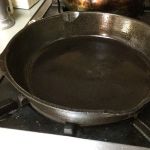 How to Refurbish a Cast Iron Skillet at Home: A Complete Guide
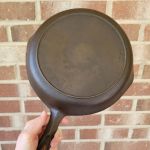 Best Products for Cast Iron Restoration Service: Top Tools and Products
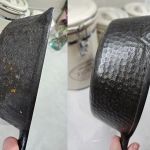 Simple At-Home Techniques for Cast Iron Restoration | Restore Your Cookware
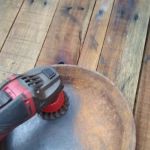 How to Restore Cast Iron at Home | A Complete Guide for Beginners
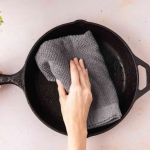 How Long Does Cast Iron Skillet Refinishing Take? Realistic Timeline for Restoration
 What to Avoid When Attempting Cast Iron Refinishing: Common Mistakes to Watch Out For