
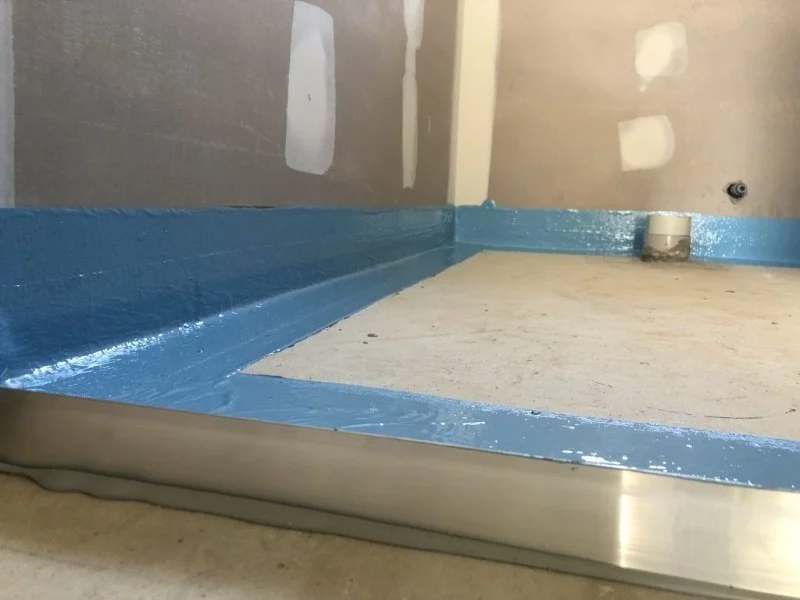
The Importance of Waterproof Underlayment in Bathroom Floor Refinishing
- 1-Why Waterproof Underlayment is Crucial in Bathroom Floor Refinishing
- 2-Benefits of Using Waterproof Underlayment
- 3-Types of Waterproof Underlayment for Bathroom Floors
- 4-Tips for Installing Waterproof Underlayment
- 5-Maintenance and Care for Waterproof Underlayment
1. Why Waterproof Underlayment is Crucial in Bathroom Floor Refinishing
When refinishing a bathroom floor, one of the most important elements to consider is the underlayment. Underlayment acts as a base layer between your floor covering (like tile or vinyl) and the subfloor, providing a smooth and stable surface. However, the bathroom environment, which is subject to constant moisture and humidity, requires more than just any standard underlayment—it requires waterproof underlayment.
Waterproof underlayment helps prevent water from seeping through the floor covering into the subfloor, which can lead to mold, mildew, and structural damage. Since bathrooms are typically high-moisture areas, using a waterproof underlayment ensures that your floor remains durable and protected from water damage over time.
Miracle Method Surface Refinishing / miracle bathtub refinishing
Santa RosaSonoma CountyCalifornia
3200 Dutton Ave Suite #325, Santa Rosa, CA 95407, USA
2. Benefits of Using Waterproof Underlayment
Using waterproof underlayment in bathroom floor refinishing offers several significant advantages that contribute to the longevity and integrity of your flooring. Here are some key benefits:
2.1 Protection Against Water Damage
Water damage is one of the leading causes of floor deterioration, especially in bathrooms where water is constantly present. Waterproof underlayment creates a barrier that prevents water from penetrating into the subfloor, reducing the risk of long-term damage and the need for costly repairs.
2.2 Mold and Mildew Prevention
Bathrooms provide an ideal environment for mold and mildew growth, which can not only damage your floor but also pose health risks. By using waterproof underlayment, you help prevent water from reaching the subfloor and creating conditions where mold and mildew can thrive.
2.3 Improved Comfort and Noise Reduction
Waterproof underlayment does more than just protect against water. Many options are designed with soundproofing qualities that reduce noise when walking on the floor. This added layer of comfort is particularly beneficial in high-traffic areas like bathrooms, ensuring a quieter and more comfortable environment.
2.4 Enhanced Floor Adhesion
Waterproof underlayment provides a more secure bonding surface for tiles, vinyl, or other flooring materials. It ensures that your floor coverings stay firmly in place, reducing the risk of peeling, lifting, or warping over time.
3. Types of Waterproof Underlayment for Bathroom Floors
There are several types of waterproof underlayment available, each with its own unique features. The best choice for your bathroom floor will depend on the type of flooring you are using and your specific needs. Below are some of the most common types:
3.1 Foam Underlayment
Foam underlayment is a popular choice for bathrooms, as it is lightweight, cost-effective, and provides good water resistance. It is often used under vinyl or laminate flooring and provides excellent sound insulation properties. However, it may not be the most durable option in areas with excessive moisture.
3.2 Cork Underlayment
Cork is a natural, eco-friendly option that is also water-resistant. It offers a comfortable, cushioned feel underfoot and has great soundproofing capabilities. Cork underlayment works well with most bathroom flooring types and provides additional insulation.
3.3 Rubber Underlayment
Rubber underlayment is highly durable, waterproof, and resistant to mold and mildew, making it an excellent option for bathrooms. It’s ideal for use with tile or stone floors, as it provides superior moisture protection and a stable base for heavy flooring materials.
3.4 Plastic Sheeting
Plastic sheeting, often made from polyethylene, is a straightforward and highly effective waterproof underlayment. It provides a simple barrier against moisture and can be used under tiles or vinyl flooring. This option is inexpensive and offers strong protection against water infiltration, though it may lack some of the soundproofing benefits of other materials.
4. Tips for Installing Waterproof Underlayment
Installing waterproof underlayment correctly is crucial for achieving the best performance and protection. Here are some tips for a successful installation:
4.1 Prepare the Subfloor
Before installing any underlayment, make sure the subfloor is clean, dry, and level. Remove any debris, nails, or staples from the surface, and repair any damaged areas to ensure a smooth installation.
4.2 Lay the Underlayment Correctly
Roll out or lay the waterproof underlayment according to the manufacturer’s instructions, making sure to cover the entire floor area. If you are using plastic sheeting or foam, be sure to overlap the seams slightly to create a continuous moisture barrier.
4.3 Secure the Edges
Once the underlayment is laid down, secure the edges using adhesive or tape (if recommended by the manufacturer) to prevent any movement during the installation of the floor covering. Make sure the seams are tightly sealed to prevent water from seeping through.
5. Maintenance and Care for Waterproof Underlayment
To maintain the effectiveness of your waterproof underlayment, it’s important to take care of it as part of your regular bathroom maintenance routine. Here are some tips for ensuring long-lasting protection:
5.1 Keep the Area Dry
While the underlayment is waterproof, it’s still essential to keep the bathroom floor dry to avoid excess moisture accumulation. Wipe up spills immediately and maintain good ventilation to prevent water buildup on the floor.
5.2 Inspect for Damage
Periodically check the underlayment for signs of damage, such as tears or areas where water may have seeped through. If you notice any issues, address them promptly to prevent further damage to the subfloor.
5.3 Regular Cleaning
Clean the bathroom floor regularly to prevent dirt and grime from accumulating, which can affect both the floor covering and the underlayment. Use gentle cleaning products that are safe for your flooring material to avoid damaging the waterproof barrier.
Using high-quality waterproof underlayment in bathroom floor refinishing is a smart investment to protect your home from moisture-related damage. For all your bathroom flooring needs, visit Cast Iron Restoration for expert products and services that will help keep your floors looking and performing their best for years to come.

 Bathroom Remodeling Contractors5.0 (2 reviews)
 Cransten Handyman and Remodeling4.0 (102 reviews)
 Incredible Builders Inc4.0 (88 reviews)
 Resurfacing Experts, LLC4.0 (33 reviews)
 Koremen Ltd4.0 (9 reviews)
 Miles Systems Manufacturing5.0 (12 reviews)
 How to Refurbish a Cast Iron Skillet at Home: A Complete Guide
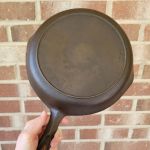 Best Products for Cast Iron Restoration Service: Top Tools and Products
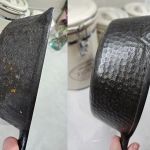 Simple At-Home Techniques for Cast Iron Restoration | Restore Your Cookware
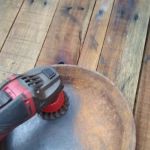 How to Restore Cast Iron at Home | A Complete Guide for Beginners
 How Long Does Cast Iron Skillet Refinishing Take? Realistic Timeline for Restoration
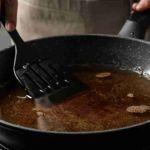 What to Avoid When Attempting Cast Iron Refinishing: Common Mistakes to Watch Out For