
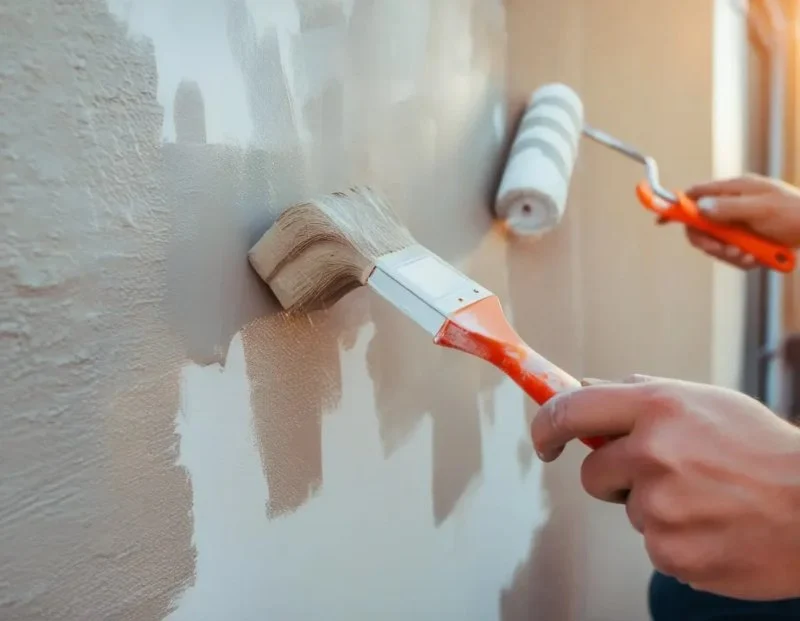
1. Why Proper Prep Work Is Crucial Before Applying New Coatings
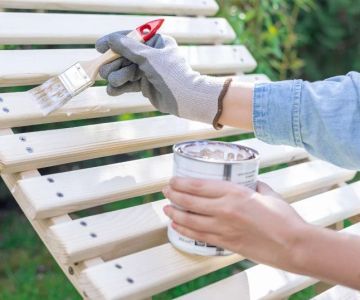
Whether you are applying a new coating to a piece of furniture, machinery, or even a vehicle, proper surface preparation is essential for ensuring that the coating adheres well and lasts. Without the proper prep work, coatings may peel, crack, or wear off prematurely, leading to increased maintenance costs and the need for reapplication.
Coating applications are often viewed as a simple final step in the restoration or renovation process, but the truth is that what happens before you apply the coating is just as important. Proper preparation ensures that the surface is clean, smooth, and free of contaminants, which directly affects the durability and appearance of the finish.

America Refinishing Pros / america refinishing pros
9510 SW 137th Ave, Miami, FL 33186, USA
2. Key Steps in Surface Preparation
Surface preparation involves several key steps that need to be followed in a specific order to ensure a successful coating application. Here are the essential steps involved:
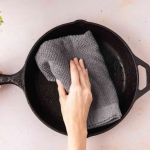
- Cleaning the Surface: The first step in preparing any surface for coating is to clean it thoroughly. Dirt, grease, oils, or any other contaminants can prevent the coating from adhering properly. Cleaning may involve using solvents, detergents, or abrasive cleaning methods like sandblasting or power washing.
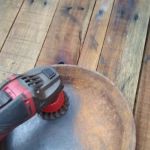
- Sanding or Abrading: Once the surface is clean, it needs to be smoothed or roughened slightly to help the coating bond better. Sanding or abrading the surface removes any existing coatings, rust, or imperfections and creates a texture that the new coating can adhere to.
- Priming: After preparing the surface, applying a primer can help improve the bond between the surface and the coating. Primers are particularly important for metal surfaces, as they help prevent corrosion and promote better adhesion.
- Drying Time: Allow the surface to dry completely before applying any coatings. If the surface is not dry, the coating may not adhere properly, and you could end up with bubbles or peeling.
3. Common Mistakes in Coating Application
Even the most experienced professionals can make mistakes when applying coatings if proper prep work isn’t done. Here are some of the most common mistakes that can affect the quality of your coating application:
- Skipping Surface Preparation: Sometimes, people rush through the prep work or overlook certain steps, assuming that a quick coat of paint or sealant will cover up any imperfections. Skipping steps like cleaning, sanding, or priming can lead to poor adhesion and an uneven finish.
- Incorrect Primer Usage: Not using the right type of primer or skipping it altogether can significantly reduce the lifespan of your coating. Primers are essential for ensuring that the coating adheres correctly, especially on metals or porous surfaces.
- Over-application: Applying too much coating at once can result in drips, streaks, or a finish that is not uniform. It's best to apply several thin layers of coating rather than one thick coat, which gives the finish more durability and a smoother appearance.
- Working in the Wrong Conditions: Applying coatings in extreme temperatures or high humidity can lead to issues with curing and adhesion. Always check the recommended temperature and humidity levels for the coating you are using.
4. Case Study: How Proper Prep Work Leads to a Successful Coating
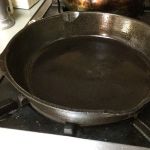
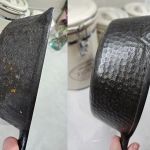
Consider the case of a vintage cast iron skillet restoration. When the skillet was first found, it had a rough, uneven surface and was covered in rust. Without proper prep work, the new coating would have likely chipped or worn off in a short period. However, after thorough cleaning, sanding, and priming, the coating adhered perfectly, providing a durable, smooth finish that lasted for years.
This case highlights the importance of meticulous preparation before applying any coating. The proper cleaning removed any grease and rust, while the sanding allowed for better bonding of the primer and final coating. The result was a restored skillet that not only looked great but also functioned well for a long time.

Miracle Method Surface Refinishing / miracle bathtub refinishing
Santa RosaSonoma CountyCalifornia
3200 Dutton Ave Suite #325, Santa Rosa, CA 95407, USA
5. Benefits of Proper Surface Preparation for Coating
Proper surface preparation offers several benefits that go beyond just making the application process easier. Here’s why you should always invest time in prepping surfaces before applying new coatings:
- Improved Durability: Well-prepared surfaces allow the coating to adhere more securely, which leads to longer-lasting protection and less frequent touch-ups.
- Better Appearance: A smooth, clean surface provides a more even coating, resulting in a professional-looking finish without streaks or bubbles.
- Cost Savings: By ensuring the coating lasts longer, proper prep work helps save money in the long run by reducing the need for frequent repairs and reapplications.
- Preventing Future Issues: Proper preparation prevents common issues like peeling, cracking, or fading. By addressing surface imperfections early on, you avoid more significant problems later.
6. How Cast Iron Restoration Can Help with Coating Applications
If you're looking to restore or apply new coatings to cast iron items, such as skillets, grills, or even antique cast iron furniture, Cast Iron Restoration offers a wide range of tools and products designed to help with surface prep. From cleaning solutions to sanders and primers, we provide everything you need to ensure your coating adheres properly and lasts longer.
By using the right products and techniques, you can restore your cast iron pieces to their former glory, protecting them with coatings that will stand the test of time. Visit Cast Iron Restoration today to explore our selection of products designed to make your coating application a success!


 Ivanti Marble & Granite - Kitchen Cabinets, Countertops & Remodeling5.0 (89 reviews)
 Cloud Brothers inc.4.0 (22 reviews)
 Mad City Windows & Baths of Omaha4.0 (888 reviews)
 Tommy Builders4.0 (42 reviews)
 Five Star Bath Solutions of Central Maryland4.0 (72 reviews)
 Buildup5.0 (23 reviews)
 How to Refurbish a Cast Iron Skillet at Home: A Complete Guide
 Best Products for Cast Iron Restoration Service: Top Tools and Products
 Simple At-Home Techniques for Cast Iron Restoration | Restore Your Cookware
 How to Restore Cast Iron at Home | A Complete Guide for Beginners
 How Long Does Cast Iron Skillet Refinishing Take? Realistic Timeline for Restoration
 What to Avoid When Attempting Cast Iron Refinishing: Common Mistakes to Watch Out For