
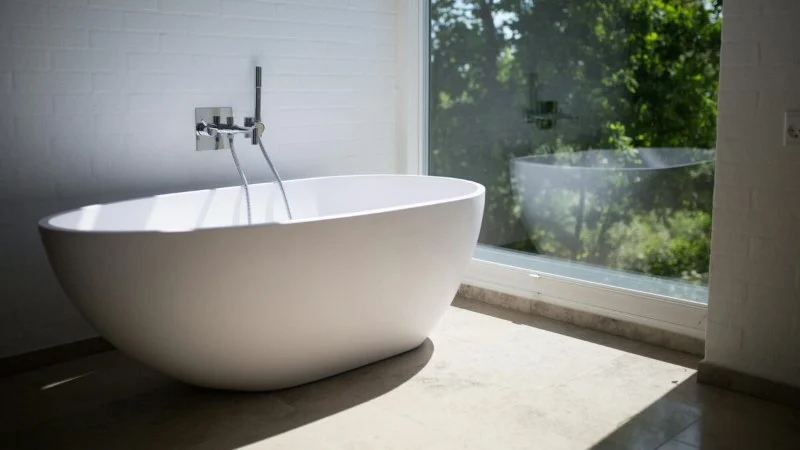
- 1. Introduction to Bathtub Surfaces
- 2. Acrylic Bathtubs: Pros and Cons
- 3. Porcelain Bathtubs: Pros and Cons
- 4. Acrylic vs. Porcelain: A Detailed Comparison
- 5. Maintenance and Care for Your Bathtub
- 6. How to Choose the Right Bathtub Material for Your Bathroom
1. Introduction to Bathtub Surfaces
When it comes to choosing a bathtub for your bathroom, two of the most popular materials are acrylic and porcelain. Both materials have distinct characteristics that influence their performance, aesthetic, and maintenance needs. In this article, we will explore the differences between these two types of bathtub surfaces, comparing their pros and cons to help you make an informed decision.

Miracle Method Surface Refinishing / miracle refinish tubs
Santa RosaSonoma CountyCalifornia
3200 Dutton Ave Suite #325, Santa Rosa, CA 95407, USA
2. Acrylic Bathtubs: Pros and Cons
Acrylic bathtubs are made from a moldable plastic material that is both durable and lightweight. These bathtubs are a popular choice for many homeowners due to their affordability and ease of maintenance.

Carefree Koatings / miracle method louisville ky
8919 Renetta Ct, Cincinnati, OH 45251, USA
2.1 Pros of Acrylic Bathtubs
- Lightweight: Acrylic bathtubs are much lighter than porcelain bathtubs, making them easier to install and handle during the renovation process.
- Affordable: Acrylic bathtubs tend to be less expensive than their porcelain counterparts, making them a more budget-friendly option for those renovating on a budget.
- Variety of Designs: Acrylic is versatile, allowing for a wide range of shapes and sizes. This makes it easier to find an acrylic bathtub that fits your bathroom design perfectly.
- Warm to the Touch: Acrylic holds heat better than porcelain, ensuring a more comfortable and relaxing bath experience.
2.2 Cons of Acrylic Bathtubs
- Prone to Scratches: While acrylic is durable, it can scratch more easily compared to porcelain, especially if sharp objects are used or if the bathtub is not properly maintained.
- Can Fade Over Time: Acrylic bathtubs may fade or discolor over time, particularly when exposed to harsh chemicals or prolonged sun exposure.
3. Porcelain Bathtubs: Pros and Cons
Porcelain bathtubs are made from cast iron or steel coated with a layer of porcelain enamel. These bathtubs have a timeless appeal and have been a popular choice for many years due to their durability and classic aesthetic.
3.1 Pros of Porcelain Bathtubs
- Highly Durable: Porcelain is known for its toughness and long-lasting nature. It is resistant to scratches and can withstand heavy use over many years.
- Timeless Aesthetic: Porcelain bathtubs have a classic and luxurious appearance, often adding a touch of elegance to any bathroom decor.
- Easy to Clean: The smooth, non-porous surface of porcelain makes it easier to clean and maintain compared to other materials, preventing soap scum and grime buildup.
3.2 Cons of Porcelain Bathtubs
- Heavy: Porcelain bathtubs are much heavier than acrylic tubs, making installation more challenging and requiring more effort during transportation.
- Expensive: The cost of porcelain bathtubs is generally higher than acrylic bathtubs due to their durability and aesthetic appeal.
- Cold to the Touch: Unlike acrylic bathtubs, porcelain does not retain heat as well, which means the surface may feel cold to the touch when first getting in.
4. Acrylic vs. Porcelain: A Detailed Comparison
To help you decide between acrylic and porcelain bathtubs, it's important to consider the following factors:
4.1 Durability
Porcelain bathtubs are known for their durability, often lasting much longer than acrylic bathtubs. However, while acrylic is prone to scratches, it is still durable enough for most homeowners' needs.
4.2 Cost
Acrylic bathtubs are generally more affordable than porcelain ones. If you're on a budget, acrylic may be the better option for you, though you may sacrifice some longevity and aesthetic appeal.
4.3 Maintenance
Porcelain bathtubs are easier to clean and maintain in the long run, as their smooth, non-porous surface resists staining and grime buildup. Acrylic bathtubs may require more frequent maintenance to keep them looking their best.
5. Maintenance and Care for Your Bathtub
5.1 Cleaning Acrylic Bathtubs
To keep your acrylic bathtub looking its best, use a non-abrasive cleaner and soft cloth to avoid scratches. Regularly clean the surface to prevent buildup of soap scum and hard water deposits.
5.2 Cleaning Porcelain Bathtubs
Porcelain bathtubs require minimal cleaning, but you should use a mild cleaner to prevent damage to the enamel. Avoid using harsh chemicals or abrasive pads that could scratch the surface.
6. How to Choose the Right Bathtub Material for Your Bathroom
When choosing between acrylic and porcelain bathtubs, think about your specific needs, preferences, and budget. If you prioritize durability and a timeless look, a porcelain bathtub may be the best choice. However, if you're looking for something more affordable and easy to install, acrylic might be the better option.
Visit Cast Iron Restoration for expert guidance and the best products to maintain your bathtub, ensuring it remains in great condition for years to come.



 Chi Renovation & Design4.0 (105 reviews)
 Modern Stone Designs5.0 (15 reviews)
 Affordable Remodelers4.0 (56 reviews)
 Pacific Resurfacing LLC4.0 (9 reviews)
 The Hammer And Heart Remodelers4.0 (32 reviews)
 Bathtub And Sink Reglazing Studio5.0 (2 reviews)
 How to Refurbish a Cast Iron Skillet at Home: A Complete Guide
 Best Products for Cast Iron Restoration Service: Top Tools and Products
 Simple At-Home Techniques for Cast Iron Restoration | Restore Your Cookware
 How to Restore Cast Iron at Home | A Complete Guide for Beginners
 How Long Does Cast Iron Skillet Refinishing Take? Realistic Timeline for Restoration
 What to Avoid When Attempting Cast Iron Refinishing: Common Mistakes to Watch Out For