
- -1-What-Are-Non-Porous-Coatings
- -2-How-Non-Porous-Coatings-Prevent-Mold
- -3-Applications-in-Home-and-Industrial-Settings
- -4-Case-Studies-and-Real-World-Examples
- -5-Comparing-Non-Porous-to-Traditional-Coatings
- -6-Tips-for-Applying-Non-Porous-Coatings
- -7-Maintenance-and-Long-Term-Benefits
- -8-Choosing-the-Right-Product
- -9-Expert-Insights-from-Cast-Iron-Restoration
- -10-Conclusion-and-Next-Steps-for-Mold-Prevention
1. What Are Non-Porous Coatings
Non-porous coatings are protective layers applied to surfaces that prevent moisture penetration. By creating a solid barrier, these coatings reduce the risk of mold and mildew growth, offering a reliable solution for both residential and commercial environments.
2. How Non-Porous Coatings Prevent Mold
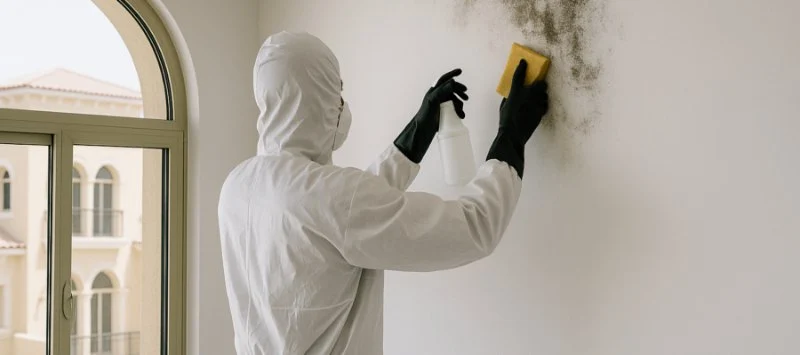
Mold thrives in damp, porous surfaces. Non-porous coatings block moisture, eliminating the ideal conditions for mold spores to germinate. This proactive approach ensures that surfaces remain dry and resistant to microbial growth.
3. Applications in Home and Industrial Settings
These coatings are versatile, suitable for bathrooms, kitchens, basements, and industrial equipment. Whether applied on metal, wood, or concrete, non-porous coatings enhance surface longevity and reduce maintenance efforts.
4. Case Studies and Real-World Examples
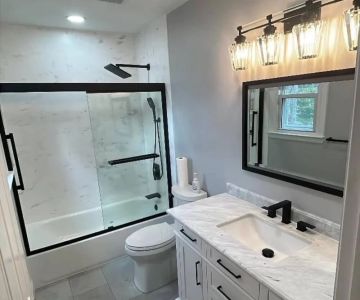
In homes prone to humidity, non-porous coatings on bathroom tiles and countertops have significantly decreased mold recurrence. Industrial kitchens using treated stainless steel surfaces report reduced cleaning times and improved sanitation standards.
5. Comparing Non-Porous to Traditional Coatings
Unlike conventional paints that may absorb moisture over time, non-porous coatings maintain integrity under wet conditions. This distinction is crucial for areas exposed to frequent condensation or spills.
6. Tips for Applying Non-Porous Coatings
Proper surface preparation is key. Clean and dry surfaces thoroughly, follow manufacturer guidelines, and consider multiple layers for maximum protection. Adequate curing time ensures the coating forms an effective moisture barrier.
7. Maintenance and Long-Term Benefits
Once applied, non-porous coatings require minimal upkeep. Regular inspection and cleaning maintain effectiveness, providing long-term mold prevention, reducing remediation costs, and preserving structural integrity.
8. Choosing the Right Product
Select coatings formulated for your specific surface type and environment. Factors such as humidity levels, chemical exposure, and traffic frequency influence the choice of product for optimal mold prevention.
9. Expert Insights from Cast Iron Restoration
Cast Iron Restoration emphasizes that non-porous coatings not only prevent mold but also enhance surface durability. Experts recommend combining high-quality coatings with proper cleaning routines for the best results.
10. Conclusion and Next Steps for Mold Prevention
Non-porous coatings are a practical and effective strategy for preventing mold growth. By selecting the right products and following expert application advice, homeowners and businesses can enjoy cleaner, healthier, and longer-lasting surfaces. For tailored guidance and high-quality solutions, visit Cast Iron Restoration.

 Unique Builders and Remodeling Houston4.0 (173 reviews)
 Country Paintin', Inc.5.0 (1 reviews)
 BusyBee Bathroom Remodeling & Kitchen5.0 (31 reviews)
 KOHLER Store by Studio414.0 (130 reviews)
 Bath Fitter4.0 (624 reviews)
 Gaytan’s Painting & Remodeling4.0 (14 reviews)
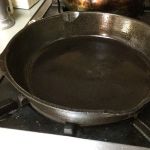 How to Refurbish a Cast Iron Skillet at Home: A Complete Guide
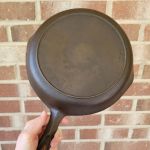 Best Products for Cast Iron Restoration Service: Top Tools and Products
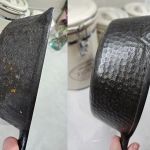 Simple At-Home Techniques for Cast Iron Restoration | Restore Your Cookware
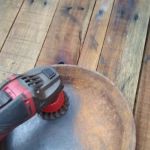 How to Restore Cast Iron at Home | A Complete Guide for Beginners
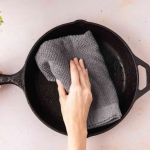 How Long Does Cast Iron Skillet Refinishing Take? Realistic Timeline for Restoration
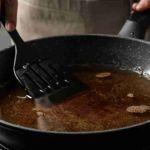 What to Avoid When Attempting Cast Iron Refinishing: Common Mistakes to Watch Out For