- 1-Understanding Low-Flow Toilets and Fixtures
- 2-Water Conservation Benefits
- 3-Financial Savings and Cost Efficiency
- 4-Enhanced Performance and Modern Designs
- 5-Environmental Impact and Sustainability
- 6-Real-Life Case Studies and Homeowner Experiences
- 7-Why Cast Iron Restoration Can Guide Your Bathroom Upgrades
1. Understanding Low-Flow Toilets and Fixtures
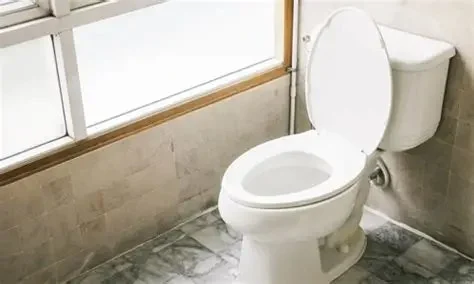
Low-flow toilets and fixtures are designed to minimize water usage while maintaining functionality. Traditional toilets use approximately 1.6 to 3.5 gallons per flush, whereas modern low-flow toilets often use 1.28 gallons or less, and some ultra-efficient models operate at 0.8–1.0 gallons per flush. Faucets, showerheads, and other bathroom fixtures can also be optimized to reduce water flow without compromising comfort.
Technologies Behind Low-Flow Fixtures
Advanced technologies in low-flow toilets include pressure-assisted flushing, dual-flush mechanisms, and gravity-fed designs optimized for reduced water volume. Low-flow faucets and showerheads use aerators or laminar flow devices to maintain water pressure while limiting water consumption.
Why Modern Homes Are Adopting Them
Homeowners are increasingly focused on sustainability, utility cost savings, and environmental impact. Low-flow toilets and fixtures align with these goals, making them essential components of modern eco-friendly bathroom designs.
2. Water Conservation Benefits
One of the primary advantages of low-flow fixtures is their ability to conserve water, a critical resource in many U.S. regions facing droughts and water shortages.
Reduced Water Consumption
Replacing standard toilets with low-flow models can reduce household water use by 20–30%. Combined with low-flow faucets and showerheads, total water savings can exceed 40% in some homes.
Impact on Municipal Water Systems
Widespread adoption of water-saving fixtures alleviates demand on municipal water systems, decreases sewage treatment load, and contributes to sustainable urban infrastructure.
Supporting Local Water Policies
Many states and municipalities incentivize low-flow installations through rebates and tax credits, encouraging conservation while supporting compliance with water efficiency regulations.
3. Financial Savings and Cost Efficiency
In addition to environmental benefits, low-flow toilets and fixtures offer significant financial advantages for homeowners.
Lower Utility Bills
Reduced water consumption directly decreases water bills. For example, a family of four replacing traditional toilets with high-efficiency low-flow models can save hundreds of dollars annually on water and sewage costs.
Reduced Maintenance and Repair Costs
Modern low-flow fixtures are often more durable, resistant to clogs, and designed for ease of maintenance. Proper installation minimizes long-term repairs and enhances lifespan.
Investment Returns in Home Value
Eco-friendly bathrooms with water-saving fixtures enhance property value. Prospective buyers increasingly value sustainability features, making low-flow installations an attractive investment for resale.
4. Enhanced Performance and Modern Designs
Early low-flow models sometimes faced criticism for reduced flush performance or weak water pressure. Modern advancements have addressed these issues.
Improved Flushing Technologies
Pressure-assisted and dual-flush toilets provide powerful flushes while maintaining low water consumption. These designs prevent common issues such as clogs and incomplete bowl cleaning.
Aesthetic and Functional Variety
Contemporary low-flow toilets and fixtures are available in a wide range of styles, finishes, and configurations, allowing homeowners to maintain aesthetic consistency while achieving water efficiency.
Integration With Smart Home Systems
Some low-flow fixtures incorporate sensors and smart technology to monitor water usage, detect leaks, and automate maintenance alerts, providing convenience and long-term savings.
5. Environmental Impact and Sustainability
Beyond individual savings, low-flow toilets and fixtures contribute significantly to environmental sustainability.
Conservation of Freshwater Resources
Reducing residential water use decreases strain on natural freshwater ecosystems, ensuring sustainable availability for communities and wildlife.
Lower Energy Consumption
Heating water for showers and sinks requires energy. By reducing hot water demand, low-flow fixtures indirectly reduce energy consumption, lowering greenhouse gas emissions.
Compliance With Green Building Standards
Low-flow fixtures help achieve LEED certification and other green building standards, supporting eco-friendly construction practices and sustainable home development.
6. Real-Life Case Studies and Homeowner Experiences
Practical examples illustrate the benefits of adopting low-flow technologies:
Case Study 1: Suburban Family Home
A family of five replaced all traditional toilets and showerheads with low-flow models. Annual water savings exceeded 100,000 gallons, translating to a $450 reduction in water and energy costs. The household also reported fewer maintenance issues due to modern fixture designs.
Case Study 2: Urban Apartment Complex
An apartment building retrofitted units with low-flow toilets and aerated faucets. Utility costs dropped by 25%, tenant satisfaction increased, and the building qualified for a city-level sustainability award. The project highlighted that high-density dwellings can achieve significant environmental and financial benefits through water-efficient upgrades.
Lessons Learned
- Investing in modern low-flow fixtures pays off both environmentally and financially.
- Smart installation and proper maintenance maximize long-term benefits.
- Homeowner education on fixture use enhances water-saving outcomes.
7. Why Cast Iron Restoration Can Guide Your Bathroom Upgrades
Cast Iron Restoration specializes in eco-friendly bathroom solutions and provides guidance for homeowners considering low-flow toilets and fixtures:
- Expert evaluation of current plumbing systems and potential upgrades.
- Recommendations for the most efficient low-flow toilets, faucets, and showerheads based on usage patterns and water pressure.
- Professional installation to ensure optimal performance and longevity.
- Maintenance advice to preserve water efficiency and fixture durability.
- Integration with broader bathroom remodeling projects for aesthetic and functional harmony.
By consulting Cast Iron Restoration, homeowners can achieve water savings, reduce environmental impact, and enhance the overall performance and value of their bathrooms. Combining sustainability with modern design ensures a functional, eco-friendly, and visually appealing home environment.

 California Closets3.0 (2 reviews)
 Exterior Design Plus LLC4.0 (155 reviews)
 N-Hance Wood Refinishing of Brevard County5.0 (365 reviews)
 Monarca Home Improvement5.0 (25 reviews)
 MVP Remodeling & Painting5.0 (26 reviews)
 Shoreline Marble & Tile, Inc.5.0 (21 reviews)
 How to Refurbish a Cast Iron Skillet at Home: A Complete Guide
 Best Products for Cast Iron Restoration Service: Top Tools and Products
 Simple At-Home Techniques for Cast Iron Restoration | Restore Your Cookware
 How to Restore Cast Iron at Home | A Complete Guide for Beginners
 How Long Does Cast Iron Skillet Refinishing Take? Realistic Timeline for Restoration
 What to Avoid When Attempting Cast Iron Refinishing: Common Mistakes to Watch Out For