
How Often Should You Season Cast Iron Pan?
- 1. Introduction to Cast Iron Seasoning
- 2. Why Is Seasoning Your Cast Iron Pan Important?
- 3. How Often Should You Season Your Cast Iron Pan?
- 4. Steps to Properly Season a Cast Iron Pan
- 5. Additional Tips for Maintaining Your Cast Iron
1. Introduction to Cast Iron Seasoning
Cast iron pans are a kitchen favorite due to their durability and versatility. One of the key factors that contribute to the longevity and performance of a cast iron skillet is seasoning. The process of seasoning a cast iron pan involves applying oil to the surface and heating it to create a non-stick layer that protects the pan from rust and enhances its cooking capabilities. But how often should you season your cast iron pan to ensure it stays in top condition? Let’s explore this in detail.
2. Why Is Seasoning Your Cast Iron Pan Important?
Seasoning plays a vital role in maintaining the quality of your cast iron cookware. Here’s why:
- Prevents Rust: Cast iron is highly susceptible to rust, especially when exposed to moisture. Proper seasoning creates a protective coating that keeps moisture from damaging the pan.
- Improves Non-Stick Properties: Seasoning adds a layer of polymerized oil that gradually builds up over time, making your pan naturally non-stick and great for cooking.
- Enhances Flavor: As your seasoning builds up, it creates a unique layer of flavor that adds depth to dishes cooked in your cast iron, especially when used for frying or baking.
3. How Often Should You Season Your Cast Iron Pan?
The frequency with which you should season your cast iron depends on how often you use the pan and how well it’s maintained. As a general guideline:
- New Cast Iron: When you first purchase a cast iron pan, it’s essential to season it before use to ensure a strong base coat. If the pan is pre-seasoned, a light additional seasoning may be helpful.
- Regular Use: If you use your cast iron pan frequently, seasoning it once every 3-4 months is generally sufficient. If you notice the pan’s surface becoming sticky or dull, it’s time to reseason.
- Occasional Use: For those who use their cast iron pan less frequently, seasoning it once or twice a year might be enough. However, always check for signs of rust or dullness.
Ultimately, the more you use your cast iron pan, the more often it needs seasoning. Pay attention to the condition of the pan, and you will soon recognize when it requires attention.
4. Steps to Properly Season a Cast Iron Pan
Seasoning a cast iron pan isn’t difficult, but doing it properly can make all the difference in its performance. Here are the basic steps:
- Clean the Pan: Start by washing your cast iron pan with warm water and a small amount of soap if it’s particularly dirty (this is the only time you should use soap). Dry it thoroughly with a towel or by heating it on the stove to remove moisture.
- Apply Oil: Use a paper towel to apply a thin, even layer of oil or shortening to the entire surface of the pan, both inside and out. Popular choices include vegetable oil, flaxseed oil, or cast iron-specific oils.
- Bake the Pan: Preheat your oven to 450°F (232°C). Place the pan upside down in the oven on the top rack, with a piece of aluminum foil on the bottom rack to catch any drips. Bake for 1 hour and let the pan cool in the oven to room temperature.
Repeat the process 2-3 times for a stronger, more durable seasoning layer.
5. Additional Tips for Maintaining Your Cast Iron
Maintaining a well-seasoned cast iron pan is easy once you establish good habits. Here are a few additional tips:
- Clean Immediately: After each use, clean your pan while it’s still warm using a brush or coarse salt to scrub away food particles. Avoid soaking the pan, as this can cause rust.
- Dry Thoroughly: Always dry your pan thoroughly after cleaning. If necessary, heat it briefly on the stove to ensure all moisture evaporates.
- Reapply Oil: After cleaning and drying, apply a light layer of oil to keep the surface conditioned and prevent rust.
By following these simple steps and understanding how often to season your cast iron pan, you can keep it in excellent condition for years. A well-seasoned cast iron pan can be one of your most versatile and valuable kitchen tools.
For more tips on cast iron maintenance or to find products for your cookware, visit Cast Iron Restoration for the best selection of tools and resources.






 Five Star Bath Solutions of Jacksonville4.0 (176 reviews)
 White Tub Refinishing4.0 (73 reviews)
 RevoNest Basement Finishing5.0 (36 reviews)
 The Best Refinishing Company4.0 (27 reviews)
 Mr. Resurface LLC5.0 (135 reviews)
 Kitchen Solvers of Alpharetta5.0 (15 reviews)
 How to Refurbish a Cast Iron Skillet at Home: A Complete Guide
 Best Products for Cast Iron Restoration Service: Top Tools and Products
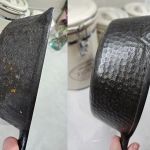 Simple At-Home Techniques for Cast Iron Restoration | Restore Your Cookware
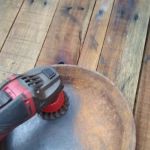 How to Restore Cast Iron at Home | A Complete Guide for Beginners
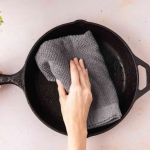 How Long Does Cast Iron Skillet Refinishing Take? Realistic Timeline for Restoration
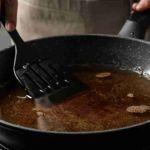 What to Avoid When Attempting Cast Iron Refinishing: Common Mistakes to Watch Out For