Cast Iron Restoration
Cast Iron Restoration BlogCast Iron Refinishing Near MeBathroom Remodel Near MeKitchen Remodel Near Me
AlabamaArizonaCaliforniaColoradoConnecticutDelawareDistrict of ColumbiaFloridaGeorgiaIllinoisIndianaKansasKentuckyLouisianaMaineMarylandMassachusettsMichiganMinnesotaMississippiMissouriNebraskaNevadaNew HampshireNew JerseyNew MexicoNew YorkNorth CarolinaOhioOklahomaOregonPennsylvaniaRhode IslandSouth CarolinaTennesseeTexasUtahVirginiaWashingtonWest VirginiaWisconsin

Cast Iron RestorationCast Iron Restoration Blog

Should You DIY or Hire a Pro for Cast Iron Cookware Repair?

Should You DIY or Hire a Pro for Cast Iron Cookware Repair?
  • -Should You DIY or Hire a Pro for Cast Iron Cookware Repair?
  • -The Pros and Cons of DIY Cast Iron Cookware Repair
  • -When to Hire a Professional for Cast Iron Restoration
  • -Step-by-Step DIY Cast Iron Repair Process
  • -How to Choose the Right Cast Iron Restoration Service

1. Should You DIY or Hire a Pro for Cast Iron Cookware Repair?

Cast iron cookware is cherished by many for its durability and ability to provide superior heat retention. However, over time, it can develop issues such as rust, cracks, or a worn-out seasoning layer. When these problems arise, you’re left with a decision: Should you attempt to repair it yourself, or is it better to hire a professional for cast iron restoration?In this article, we’ll break down the pros and cons of DIY repairs versus professional help for your cast iron cookware. We’ll also offer advice on when each approach might be the right choice and what to expect from both methods.

2. The Pros and Cons of DIY Cast Iron Cookware Repair

DIY cast iron repairs can be incredibly rewarding, but they come with their own set of challenges. Whether you’re looking to restore an old skillet or fix a crack in your favorite Dutch oven, there are some key advantages and drawbacks to consider.

2.1 Pros of DIY Cast Iron Repair

Cost-Effective: One of the most significant advantages of DIY repairs is that they are usually cheaper than hiring a professional. With the right tools and materials, you can restore your cookware without breaking the bank.Personal Satisfaction: There's something deeply satisfying about reviving a beloved piece of cookware with your own hands. For many, DIY repairs provide a sense of accomplishment and pride in the process.Control Over the Process: DIY repairs give you complete control over how the job is done, allowing you to take your time and follow a method that suits your preferences.

2.2 Cons of DIY Cast Iron Repair

Lack of Experience: Unless you’ve repaired cast iron before, it can be difficult to know the best techniques for restoring the cookware’s integrity. Mistakes can lead to further damage or an incomplete repair.Time-Consuming: Depending on the extent of the damage, DIY repairs can be time-consuming, especially if you don’t have the right tools or expertise. For example, restoring the seasoning on cast iron requires patience and multiple layers of oil.Limited Results: DIY repairs may not always restore your cookware to its original condition, especially if the damage is severe. Small cracks or major rusting might be hard to fix without professional tools and methods.

3. When to Hire a Professional for Cast Iron Restoration

While DIY repairs can work well for minor issues like reseasoning or light rust, there are situations where hiring a professional might be the better option. Here are some instances where it’s best to leave the job to the experts:

3.1 Major Cracks or Chips

If your cast iron cookware has significant cracks or chips, professional restoration is often the safest option. Cracks can compromise the cookware’s integrity, making it unsafe to use. A professional repair service can weld or fill cracks, restoring the strength of your cookware while ensuring it’s safe to use.

3.2 Severe Rust Damage

If rust has deeply infiltrated your cast iron, it may be difficult to remove entirely without the proper tools. Professionals have access to specialized equipment to remove rust effectively without damaging the metal. They can also reseason the cookware to prevent future rusting.

3.3 Time Constraints or Lack of Tools

If you lack the time or tools to complete a repair, hiring a professional is a convenient option. Professional restoration services can efficiently restore your cookware, saving you the hassle of sourcing the necessary materials and spending hours on the repair.

4. Step-by-Step DIY Cast Iron Repair Process

If you decide to tackle the repair yourself, here’s a general step-by-step guide to fixing your cast iron cookware.

4.1 Cleaning and Preparing the Cookware

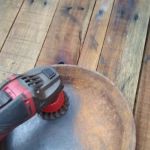
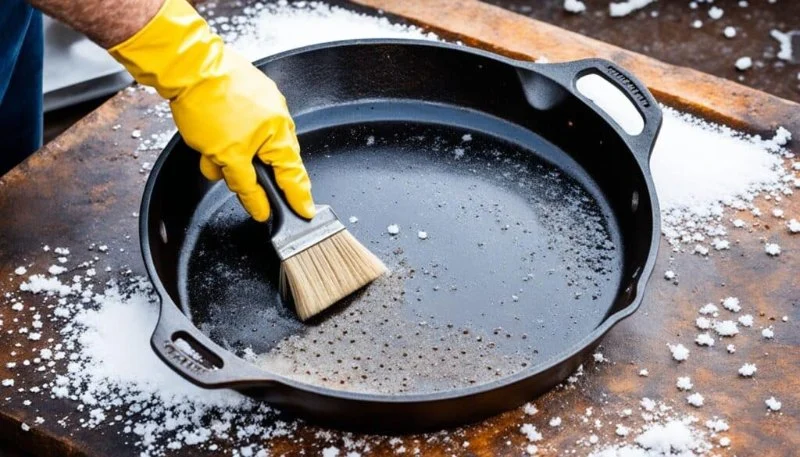
Start by thoroughly cleaning the cookware. Use a steel wool pad to remove any loose rust or food residue. If there’s heavy rust, you may need to scrub the surface using a mixture of vinegar and water (1:1 ratio) to help loosen it up. Dry the cookware completely before moving on to the next step.

4.2 Fixing Small Cracks or Chips

For minor cracks or chips, use a cast iron repair epoxy or filler. These are designed to bond strongly with the metal and provide a durable fix. Follow the manufacturer’s instructions carefully and allow the epoxy to cure properly before using the cookware.

4.3 Reseasoning the Cast Iron

Once the cookware is clean and repaired, it’s time to reseason it. Apply a thin layer of vegetable oil or flaxseed oil to the entire surface, including the handle and inside. Place the cookware upside down in the oven with a baking sheet on the lower rack to catch any drips. Bake at 400°F for about 1 hour, then let the cookware cool. Repeat this process for several layers of seasoning to ensure a smooth, non-stick surface.

4.4 Regular Maintenance

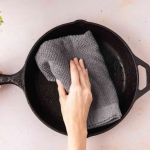
After your cast iron cookware is repaired and seasoned, regular maintenance is essential. Clean it with a stiff brush and warm water after each use, and avoid using soap, as it can strip the seasoning. Periodically reseason your cookware to maintain its non-stick properties and prevent rust.

5. How to Choose the Right Cast Iron Restoration Service

If you prefer professional help for your cast iron cookware, here’s how to choose the best restoration service:

5.1 Look for Experience

Choose a restoration service with experience specifically in cast iron cookware. Ask about their methods and how they handle different types of damage, such as rust or cracks. Professionals with expertise in cast iron will ensure a higher-quality repair.

5.2 Read Reviews and Get Recommendations

Look for online reviews and customer testimonials. Personal recommendations from friends, family, or online communities can also provide insight into the quality of service.

5.3 Inquire About the Restoration Process

Before hiring a professional, ask about their process and the materials they use. A reputable service will be transparent about their methods and provide an estimate for the cost and time required for the repair.For expert advice and restoration services, visit Cast Iron Restoration to find the best products and services for your cast iron cookware.

Trending Blog Articles

Popular Blog Posts

Categories

Top Visited Sites

Must-Read Cast Iron Restoration Blog Posts

Top Searches

Trending Cast Iron Restoration Blog Posts