
Pitted Cast Iron: Decide Whether the Surface Is Usable
On this page
Quick answer
Small stable pits in bare cast iron may affect texture without making cookware unusable, but first remove rust and residue so the metal can be inspected. Stop using a pan with cracks, holes, severe thinning, sharp flakes, or uncertain contamination. Seasoning can protect cleaned metal, but it cannot rebuild missing iron or repair structural damage.

Carefree Koatings / miracle method louisville ky
8919 Renetta Ct, Cincinnati, OH 45251, USA
What pitting is
Pitting is localized metal loss that leaves small depressions or cavities. Rust, long exposure to moisture, harsh storage, and previous corrosion can create it. Casting texture and old tool marks can look similar, so a dirty surface should not be judged too quickly.
Pits remain after rust and loose material are removed. Seasoning may visually soften the contrast, but the depressions still exist.
Miracle Method of Tempe / miracle method of tempe
1635 W University Dr UNIT 126, Tempe, AZ 85281, USA
Clean before judging
Wash away food and loose dirt with hot water, dish soap, and a non-damaging brush or scrubber. Dry immediately. For rust or thick failed seasoning, choose a method suited to bare cast iron and the severity of buildup.
Wear eye and skin protection for mechanical or chemical restoration. Follow every product label, never mix chemicals, and work with ventilation. Electrolysis and lye involve electrical and chemical hazards and should not be improvised by inexperienced users.
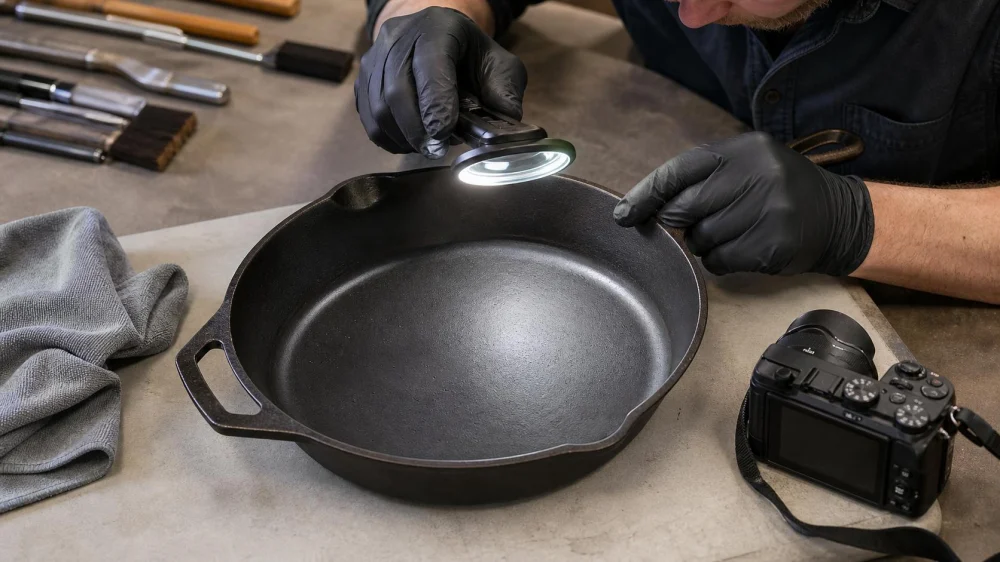
Inspect the surface
- Confirm the piece is bare cast iron, not enameled.
- Use bright light to inspect cooking surface, underside, rim, handle, and attachment points.
- Run a cloth gently across the dry surface to detect loose flakes or sharp edges.
- Look for hairline cracks, daylight through holes, or very thin sections.
- Check whether the pan sits steadily without severe wobble.
- Photograph maker marks and defects before more work.
Do not strike the pan or rely on a “ring test” alone. Sound varies with shape and support and does not rule out a crack.
When a pan may remain usable
A cleaned pan with shallow, stable pitting and sound structure may still cook safely. Texture can make delicate foods stick until seasoning develops, while braises, baking, or less delicate cooking may be forgiving.
Ensure the surface is free of active rust, loose material, chemical residue, and unknown coatings. When a vintage piece has an uncertain history, professional assessment or lead testing appropriate to cookware may be prudent before food use.
When to stop using it
- A visible crack crosses the cooking surface, wall, handle, or attachment.
- Corrosion has created a hole or dangerously thin section.
- Sharp metal continues to flake after cleaning.
- The piece was used to melt lead, hold chemicals, or serve another unknown industrial purpose.
- An enameled cooking surface is chipped or damaged beyond manufacturer guidance.
Cracked cast iron can fail when heated or lifted. Do not weld or braze food cookware and assume it is restored without appropriate expertise and food-use evaluation.
Plan restoration
Use the least aggressive method that removes contamination and unstable rust. Hand tools can preserve historic marks but require care. Power tools can erase casting detail, thin metal, or create an uneven surface. Professional restoration may be appropriate for valuable, rare, heavily corroded, or contaminated pieces.
After rust removal, rinse as the method requires, dry immediately with heat, and season promptly to prevent flash rust.
Season an uneven surface
Apply a very thin layer of suitable cooking oil to clean, dry bare iron, then wipe until the surface looks almost dry. Heat according to a proven seasoning method with ventilation and fire safety. Multiple thin layers generally perform better than one thick coat.
Seasoning protects the metal and can improve release over time, but thick oil can become sticky and fill pits unevenly. Cook normally, clean gently, dry completely, and add a thin maintenance layer when needed.
Decision checklist
- Material is correctly identified.
- Rust and loose buildup are removed.
- No crack, hole, severe thinning, or sharp flaking remains.
- Previous use and contamination risk are acceptable.
- The pan is stable on the intended cooktop.
- Clean metal is fully dried and seasoned.
- Food performance is tested with a low-risk first cook.
Important limitations
This article is general cookware information, not metallurgical, conservation, or contamination testing advice. Vintage composition and previous use may be unknown. Enameled cast iron requires manufacturer-specific care and should not be treated like bare iron.
Sources and evidence notes
- Cast iron cookware manufacturers: product-specific cleaning, rust removal, seasoning, and enamel guidance.
- USDA food-safety resources: cleaning, cross-contamination, and safe cooking principles.
- National Park Service conservation resources: general principles for documenting and avoiding unnecessary abrasion of historic metals.
- Qualified restoration professionals: appropriate for rare pieces, structural damage, or uncertain contamination.
Frequently asked questions
Can seasoning fill deep pits?
No. It can coat the surface but cannot replace missing metal. Thick oil in pits may remain sticky.
Should I grind the pan smooth?
Not routinely. Grinding can thin the pan, erase marks, and create unevenness. Seek expert advice for valuable or badly damaged cookware.
Are black flakes from pitting?
They may be failed seasoning or residue rather than metal loss. Clean and inspect before deciding.
Can I use a pitted pan on glass cooktops?
Check the base for sharp projections and follow the cooktop manual. Lift rather than slide to reduce scratching.
Conclusion
Pitting changes a cast iron surface, but severity and history matter more than appearance alone. Clean first, inspect the entire structure, rule out cracks and contamination, and season only sound bare metal. Accept texture when safe, and retire or professionally assess pieces with structural or unknown-use concerns.


 Source One Remodeling4.0 (48 reviews)
 Best Bath & Remodel LLC5.0 (21 reviews)
 Five Star Bath Solutions of North Jersey4.0 (21 reviews)
 Great Lakes Cabinetry2.0 (4 reviews)
 C&S Home Remodeling LLC4.0 (18 reviews)
 Detail Kitchens5.0 (11 reviews)
 How to Refurbish a Cast Iron Skillet at Home: A Complete Guide
 Best Products for Cast Iron Restoration Service: Top Tools and Products
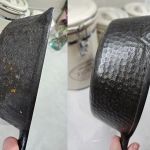 Simple At-Home Techniques for Cast Iron Restoration | Restore Your Cookware
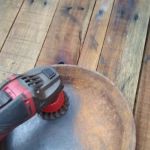 How to Restore Cast Iron at Home | A Complete Guide for Beginners
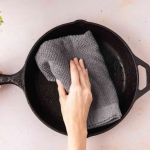 How Long Does Cast Iron Skillet Refinishing Take? Realistic Timeline for Restoration
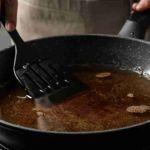 What to Avoid When Attempting Cast Iron Refinishing: Common Mistakes to Watch Out For