
- understanding-bathtub-coating-curing
- average-bathtub-coating-cure-time
- factors-affecting-curing-time
- bathtub-coating-installation-process
- when-can-you-use-restored-bathtub
- mistakes-after-bathtub-refinishing
- professional-cast-iron-restoration-tips
Understanding How Bathtub Coating Cures Before Use
Restoring an old bathtub can completely transform the appearance of a bathroom without the cost and disruption of replacing the entire fixture. Many homeowners choose bathtub coating because it provides a fresh, durable surface while preserving the original structure of valuable tubs, especially traditional cast iron models. However, one of the most common questions after a refinishing project is: how long does bathtub coating take to cure before use?
The answer depends on several factors, including the type of coating used, environmental conditions, preparation quality, and professional application methods. While a bathtub may look dry on the surface within a short period, the coating often needs additional time to fully harden and reach maximum durability.
Understanding the difference between drying and curing is essential. Drying means the surface is no longer wet or sticky, while curing refers to the chemical process that allows the coating to become fully hardened and resistant to water, cleaning products, and everyday use.
At Cast Iron Restoration, homeowners can learn more about professional restoration approaches that help protect historic and high-quality bathtubs. Proper preparation and patience during the curing stage are important investments that help extend the life of a newly refinished surface.

Surface Specialists of South Central MN / surface specialists mn
MankatoBlue Earth CountyMinnesota
436 Lyd Blvd, Mankato, MN 56001, USA
1. Drying Time vs. Curing Time
Many homeowners make the mistake of assuming that a bathtub is ready to use once the coating feels dry. This can lead to problems such as scratches, soft spots, peeling, or premature damage.
For example, imagine a homeowner who refinishes a vintage cast iron bathtub on a Friday afternoon. By Saturday morning, the surface appears smooth and dry. However, the coating underneath may still be developing strength. Filling the tub with water too soon could interfere with the bonding process and reduce the lifespan of the finish.
The curing process allows the coating materials to chemically bond and become stronger. Waiting the recommended amount of time helps ensure the bathtub remains attractive and functional for years.

Miracle Method Surface Refinishing / miracle method boulder
Santa RosaSonoma CountyCalifornia
3200 Dutton Ave Suite #325, Santa Rosa, CA 95407, USA
Average Time Required for Bathtub Coating to Fully Cure
The typical curing time for bathtub coating varies depending on the refinishing system used. In many cases, homeowners should expect to wait approximately 24 to 72 hours before using the bathtub normally. Some advanced coatings may require several days or longer to achieve maximum hardness.
1. First Few Hours After Application
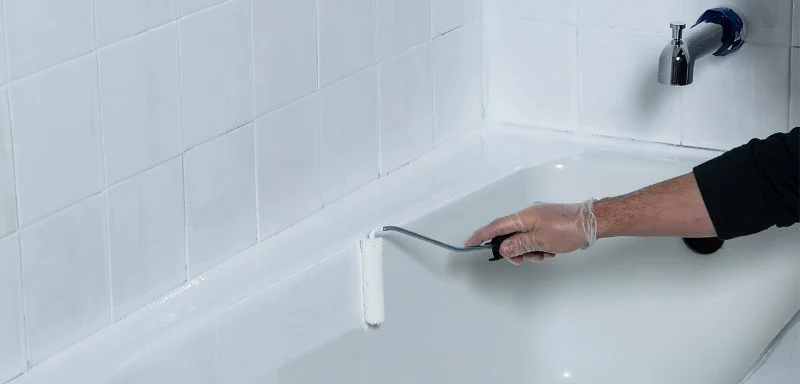
Immediately after the coating is applied, the surface begins the initial drying stage. During this period, the bathtub should not be touched, exposed to moisture, or disturbed.
The first several hours are critical because fingerprints, dust, water droplets, or accidental contact can affect the smoothness of the finish. Professional technicians usually recommend keeping the bathroom ventilated while preventing unnecessary activity around the tub.
2. The First 24 Hours
During the first day, the bathtub coating continues to harden. Although the surface may appear finished, it is still vulnerable to pressure and moisture.
Homeowners should avoid:
- Running water into the bathtub
- Placing shampoo bottles or accessories inside the tub
- Cleaning the surface
- Stepping directly onto the coating
This waiting period allows the coating to establish a stronger connection with the bathtub material beneath it.
3. After 48 to 72 Hours
For many bathtub refinishing projects, normal use can begin after two to three days. However, full curing may continue beyond this point depending on the coating formula and environmental conditions.
A bathtub that has fully cured will have improved resistance against:
- Daily water exposure
- Mild cleaning products
- Temperature changes
- Regular household use
Following the recommended waiting period is one of the easiest ways to protect the investment made in bathtub restoration.
Factors That Affect How Long Bathtub Coating Takes to Cure
Although many people look for a simple answer to how long bathtub coating takes to cure before use, the actual timeline can vary significantly. Several conditions influence how quickly the coating reaches its strongest state.
1. Type of Bathtub Coating Material
Different refinishing products have different curing characteristics. Epoxy-based coatings, acrylic urethane finishes, and other professional-grade materials may have different drying and hardening requirements.
Higher-quality coatings are often designed to provide better durability but may require more careful curing conditions. The product instructions provided by the manufacturer should always be followed.
2. Bathroom Temperature and Humidity
Environmental conditions play a major role in bathtub coating cure time. A warm, dry, and well-ventilated bathroom usually allows coatings to cure more efficiently.
High humidity can slow the curing process because moisture in the air affects evaporation and chemical bonding. Similarly, colder temperatures may prevent the coating from hardening properly.
For this reason, professional restoration companies often monitor room conditions before and after applying a bathtub finish.
3. Quality of Surface Preparation
The preparation stage before coating application is one of the most important factors affecting long-term performance. A bathtub must be thoroughly cleaned, repaired, and properly prepared so the new coating can bond effectively.
Common preparation steps include:
- Removing old finishes and residue
- Repairing chips or cracks
- Cleaning away soap buildup and mineral deposits
- Creating a surface texture that improves adhesion
A coating applied over a poorly prepared surface may fail regardless of how long it is allowed to cure.
The Complete Bathtub Coating Process and Why Timing Matters
Understanding the entire bathtub refinishing process helps homeowners appreciate why curing time cannot be rushed. Each step contributes to the quality and durability of the final result.
1. Inspection and Repair
The process usually begins with an inspection of the bathtub condition. Older cast iron tubs may have rust, chips, worn enamel, or surface damage that needs attention before coating.
Professional restoration specialists evaluate whether repairs are necessary and determine the best coating approach for the specific bathtub.
2. Applying the New Surface Finish
After preparation is complete, the coating is carefully applied. Professional techniques help create an even surface without visible imperfections.
Multiple layers may be used depending on the restoration system. Each layer requires proper drying time before additional applications can be completed.
3. Protecting the Finish During Cure
The curing stage is where patience becomes essential. The bathtub needs a controlled environment where the coating can harden without interference.
Opening windows, maintaining proper airflow, and avoiding bathroom use can all contribute to better results.
When Can You Safely Use a Newly Coated Bathtub?
Most homeowners can begin using a refinished bathtub after the recommended curing period provided by the coating manufacturer or restoration professional. However, careful use during the first few weeks can help protect the new finish.
1. First Bath After Restoration
The first bath should be treated gently. Avoid extremely hot water, harsh soaps, or heavy cleaning immediately after the curing period.
A mild approach allows the coating to continue strengthening while reducing unnecessary stress on the surface.
2. Maintaining the New Finish
Proper maintenance extends the life of bathtub coating. Homeowners should use non-abrasive cleaners and avoid harsh chemicals that can weaken the surface.
Simple habits, such as drying the bathtub after use and preventing standing water buildup, can help preserve the restored appearance.



 Maryland Countertop Solutions, LLC5.0 (6 reviews)
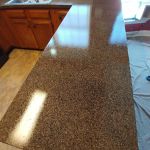 Surface Raiders, LLC5.0 (7 reviews)
 Estkowski Builders5.0 (5 reviews)
 Bath Creations4.0 (71 reviews)
 Surface Designers Refinishing4.0 (42 reviews)
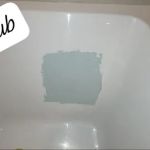 Advanced Reglazing4.0 (39 reviews)
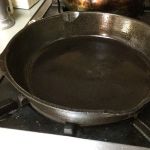 How to Refurbish a Cast Iron Skillet at Home: A Complete Guide
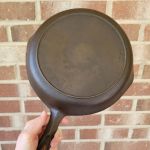 Best Products for Cast Iron Restoration Service: Top Tools and Products
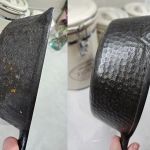 Simple At-Home Techniques for Cast Iron Restoration | Restore Your Cookware
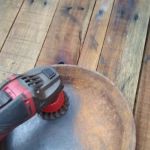 How to Restore Cast Iron at Home | A Complete Guide for Beginners
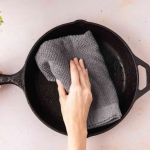 How Long Does Cast Iron Skillet Refinishing Take? Realistic Timeline for Restoration
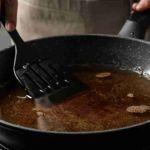 What to Avoid When Attempting Cast Iron Refinishing: Common Mistakes to Watch Out For