
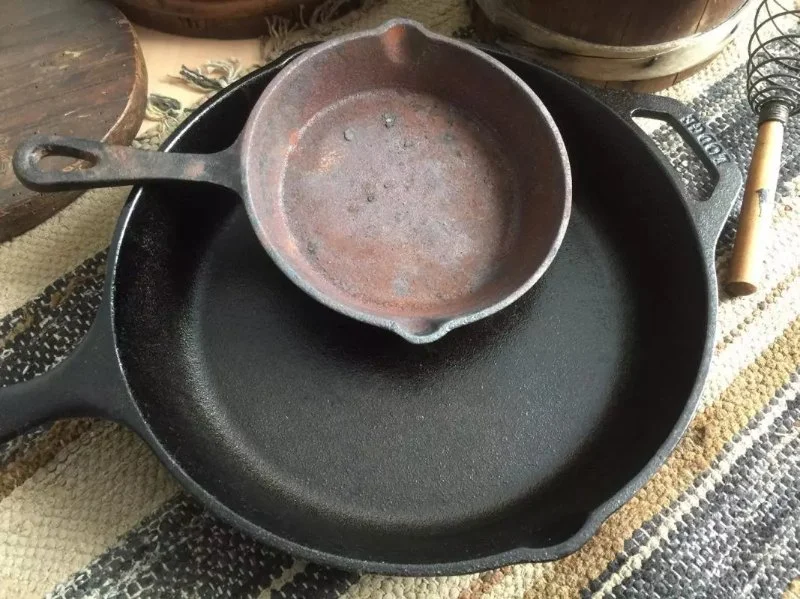
- 1. Understanding Cast Iron Pans and Their Care
- 2. Why Do You Need to Refinish Cast Iron Pans?
- 3. Is Refinishing Cast Iron Pans Safe?
- 4. How to Safely Refinish Your Cast Iron Pans
- 5. Best Products for Restoring Cast Iron Pans
1. Understanding Cast Iron Pans and Their Care
Cast iron pans are beloved by chefs and home cooks alike for their excellent heat retention, durability, and versatility. These pans can last a lifetime with proper care, but over time, they may develop rust, lose their seasoning, or accumulate food residue that can affect their performance.
The key to maintaining cast iron cookware is regular care, including seasoning, cleaning, and avoiding rust. For many, the need to restore or refinish a cast iron pan arises when the cookware starts to show signs of wear. But is it safe to recondition these pans? In this article, we’ll explore the refinishing process and answer that very question.

Miracle Method Surface Refinishing / miracle refinish tubs
Santa RosaSonoma CountyCalifornia
3200 Dutton Ave Suite #325, Santa Rosa, CA 95407, USA
2. Why Do You Need to Refinish Cast Iron Pans?
Over time, even the best cast iron cookware can lose its non-stick surface or develop rust spots, making it less effective for cooking. Refinishing, or restoring, a cast iron pan is often necessary to maintain its performance. There are several reasons why you might need to refinish your cast iron pans:
2.1 Rust or Corrosion
One of the most common reasons for refinishing a cast iron pan is rust. If the pan has been exposed to moisture for an extended period, it may develop rust, which can lead to uneven cooking surfaces and deterioration of the cookware.
2.2 Lost Seasoning
The seasoning of a cast iron pan—a layer of oil baked into the surface—protects the metal from rust and creates a non-stick cooking surface. Over time, this seasoning can wear away, especially if the pan isn’t properly maintained or cleaned.
2.3 Food Residue Build-Up
Sometimes, cooking heavy foods like sticky sauces or batter can result in food residue that doesn’t easily come off with cleaning. This residue can affect the surface of the pan, making it harder to cook with or clean in the future.
3. Is Refinishing Cast Iron Pans Safe?
Many people are concerned about whether it’s safe to use refinished cast iron pans, especially if they’ve been treated with harsh chemicals or high-heat methods. The good news is that refinishing a cast iron pan is generally safe if done correctly. However, there are a few things to keep in mind:
3.1 Using Safe and Non-Toxic Methods
When refinishing your cast iron pan, it’s important to use safe, non-toxic methods to avoid harmful chemicals that can affect the food you cook. For example, some refinishing techniques involve using harsh chemicals to remove rust, but you can also use natural methods such as using salt or a vinegar solution to clean the surface. Always ensure that any products used are food-safe and non-toxic.
3.2 Re-Seasoning After Refinishing
After refinishing, it’s crucial to properly re-season your cast iron pan. The seasoning process involves applying a thin layer of vegetable oil or lard and baking it at high heat to create a non-stick surface. This layer protects the cast iron and restores its cooking surface. Without re-seasoning, the pan can be prone to rust again, and the surface may not be as non-stick.
3.3 The Risk of Overheating
Refinishing cast iron often requires high heat to remove old seasoning and apply a new layer. While this is generally safe, overheating the pan can cause it to warp, crack, or degrade. It’s important to follow proper heating instructions and avoid excessive temperatures that could damage the pan.
4. How to Safely Refinish Your Cast Iron Pans
If you’re looking to refinish your cast iron pans at home, here’s a step-by-step guide to do it safely:
4.1 Clean the Pan
Start by thoroughly cleaning the pan. If there’s rust, you can remove it by scrubbing with steel wool or a wire brush. You may also use a vinegar and water solution to soak the pan if necessary. For stuck-on food, use a mild abrasive like coarse salt to scrub away the residue.
4.2 Remove Old Seasoning
To properly refinish the pan, you’ll need to remove the old seasoning. This can be done by placing the pan in an oven at a high temperature or using a lye solution, depending on the severity of the build-up. Make sure to follow the instructions carefully to avoid damaging the pan.
4.3 Apply a New Seasoning Layer
Once the old seasoning has been removed and the pan is clean, apply a thin layer of vegetable oil or shortening to the surface. Bake the pan in the oven for about an hour at 450°F (230°C) to create a new seasoning layer. Repeat the process for the best results.
4.4 Regular Maintenance
Once refinished, regular maintenance is key to keeping your cast iron pan in top shape. After each use, clean the pan while it’s still warm and apply a light layer of oil to maintain the seasoning. Avoid using soap, as it can strip away the seasoning.
5. Best Products for Restoring Cast Iron Pans
To help restore and maintain your cast iron pans, here are some of the best products available:
5.1 Cast Iron Cleaner
A cast iron cleaner made from natural materials like coarse salt or chainmail scrubbers is great for safely cleaning your pan without damaging the surface. These products are gentle yet effective at removing food residue and rust.
5.2 Seasoning Oil
Look for a high-quality vegetable oil or cast iron-specific seasoning oil. These oils are designed to create a smooth, non-stick surface that can withstand high temperatures.
5.3 Cast Iron Conditioner
A cast iron conditioner helps maintain the seasoning and provides additional protection against rust and food build-up. Using a conditioner regularly will keep your pan in prime cooking condition for years.
Refinishing cast iron pans is a safe and rewarding way to restore their functionality and extend their lifespan. With the right care and attention, your cast iron cookware can continue to serve you well for many years. For more tips on cast iron restoration, visit Cast Iron Restoration for expert advice and product recommendations.




 Key Stone Carvings4.0 (30 reviews)
 VVL Bathroom Remodeling Contractors5.0 (27 reviews)
 Cabinet Style Studio, Ltd.4.0 (9 reviews)
 Taylor construction and renovations llc michigan city in0.0 (0 reviews)
 Kitchen Solvers of Elgin0.0 (0 reviews)
 Everglaze Coatings | Bathtub Refinishing and Reglazing Services0.0 (0 reviews)
 How to Refurbish a Cast Iron Skillet at Home: A Complete Guide
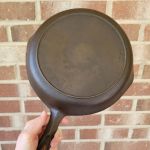 Best Products for Cast Iron Restoration Service: Top Tools and Products
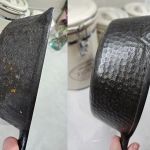 Simple At-Home Techniques for Cast Iron Restoration | Restore Your Cookware
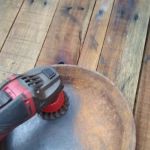 How to Restore Cast Iron at Home | A Complete Guide for Beginners
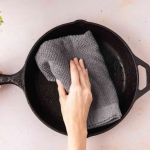 How Long Does Cast Iron Skillet Refinishing Take? Realistic Timeline for Restoration
 What to Avoid When Attempting Cast Iron Refinishing: Common Mistakes to Watch Out For