
Top 10 Tips for Cast Iron Restoration Like a Pro
- 1- Why Restore Cast Iron?
- 2- Gather the Right Tools for Restoration
- 3- Cleaning Your Cast Iron Properly
- 4- How to Remove Rust Effectively
- 5- Seasoning Your Cast Iron Like a Pro
- 6- Preventing Future Rust
- 7- Handling Cracks and Chips
- 8- Restoring Vintage Cast Iron Pieces
- 9- Common Mistakes to Avoid in Cast Iron Restoration
- 10- When to Seek Professional Help for Cast Iron Restoration
1- Why Restore Cast Iron?
Cast iron items like skillets, Dutch ovens, and pans are timeless pieces that have been passed down for generations. However, over time, cast iron can suffer from rust, grime, and wear. Restoring your cast iron cookware not only brings it back to life but also allows you to enjoy cooking with a well-seasoned surface. In this article, we will guide you through the process of restoring your cast iron like a pro, from cleaning to seasoning, and beyond.

Miracle Method Surface Refinishing / miracle refinish tubs
Santa RosaSonoma CountyCalifornia
3200 Dutton Ave Suite #325, Santa Rosa, CA 95407, USA
2- Gather the Right Tools for Restoration
Before starting the restoration process, make sure you have the right tools at hand. Here’s a list of essential tools:
- Steel wool or wire brush for removing rust and debris
- Cast iron cleaner to clean and degrease the surface
- Vegetable oil or flaxseed oil for seasoning
- Oven for the heating and seasoning process
- Gloves and protective eyewear to stay safe
3- Cleaning Your Cast Iron Properly
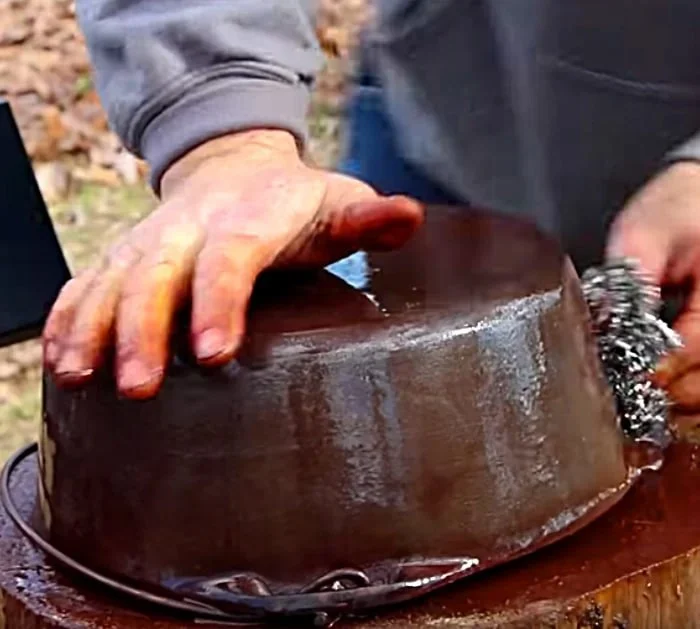
Start by thoroughly cleaning your cast iron piece. Scrub away any stuck-on food particles using steel wool or a wire brush. For minor surface rust, a light cleaning with a cast iron cleaner should suffice. If your piece is covered with years of grime, consider a deeper cleaning process to restore its surface.
4- How to Remove Rust Effectively
Rust can be one of the most challenging issues to deal with in cast iron restoration. Here’s how to remove it:
- Use a wire brush or steel wool to scrub off the visible rust.
- For stubborn rust, soak the cast iron in a vinegar and water solution for a few hours, then scrub again.
- If the rust is severe, you can use a sandblaster or power sander for the removal process.
5- Seasoning Your Cast Iron Like a Pro
Seasoning is a crucial step in restoring cast iron. This process involves applying a thin layer of oil and baking it into the surface to create a natural non-stick coating. Follow these steps to properly season your cast iron:
- Apply a thin layer of vegetable oil or flaxseed oil to the entire surface of the cast iron.
- Place the cast iron in an oven preheated to 450°F (230°C) upside down to avoid pooling oil.
- Bake for 1 hour, then turn off the oven and let the cast iron cool inside.
- Repeat this process 3-4 times for the best results.
6- Preventing Future Rust
After restoring your cast iron, it’s essential to maintain it to prevent future rust. Always dry your cast iron thoroughly after each use and apply a light coat of oil to protect it from moisture. Avoid soaking your cast iron in water, as this can promote rust formation.
7- Handling Cracks and Chips
If your cast iron has cracks or chips, it may require professional help to repair. For minor chips, you can use a special cast iron repair epoxy. However, if there are deep cracks that affect the structure of the cookware, it may be best to replace the item.
8- Restoring Vintage Cast Iron Pieces
Restoring vintage cast iron pieces requires special care. These items often have a patina and history that should be preserved. Start by carefully removing rust and grime without stripping the item’s original seasoning. Vintage pieces may require additional layers of seasoning to bring them back to their prime.
9- Common Mistakes to Avoid in Cast Iron Restoration
Restoring cast iron can be rewarding, but there are common mistakes to avoid:
- Over-scrubbing: Excessive scrubbing can remove too much seasoning, so be gentle.
- Using the wrong oil: Always choose oils with a high smoking point for seasoning.
- Skipping the drying process: Failure to thoroughly dry your cast iron after cleaning can lead to rust.
10- When to Seek Professional Help for Cast Iron Restoration
While many cast iron restoration projects can be done at home, there are times when professional help is needed. If your piece has deep cracks, extensive rust, or if you don’t have the time or expertise, a professional restoration service can help bring your cast iron back to life. They have the right tools and knowledge to restore your items properly.
If you’re looking for the best products, services, or advice for restoring cast iron, visit Cast Iron Restoration for expert guidance and recommendations.



 NextForm Basement Remodeling & Bathroom4.0 (37 reviews)
 Quality Refinishing Services4.0 (11 reviews)
 TN House Painting & Cabinet Resurfacing5.0 (18 reviews)
 Platinum Refinishing Inc4.0 (21 reviews)
 Miracle Method Surface Refinishing4.0 (185 reviews)
 Prospect Custom Cabinets Makers5.0 (21 reviews)
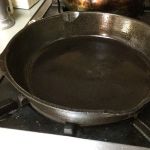 How to Refurbish a Cast Iron Skillet at Home: A Complete Guide
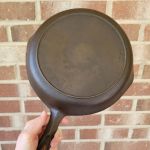 Best Products for Cast Iron Restoration Service: Top Tools and Products
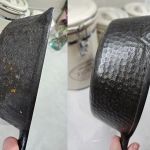 Simple At-Home Techniques for Cast Iron Restoration | Restore Your Cookware
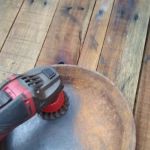 How to Restore Cast Iron at Home | A Complete Guide for Beginners
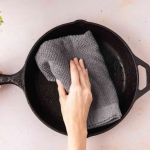 How Long Does Cast Iron Skillet Refinishing Take? Realistic Timeline for Restoration
 What to Avoid When Attempting Cast Iron Refinishing: Common Mistakes to Watch Out For