
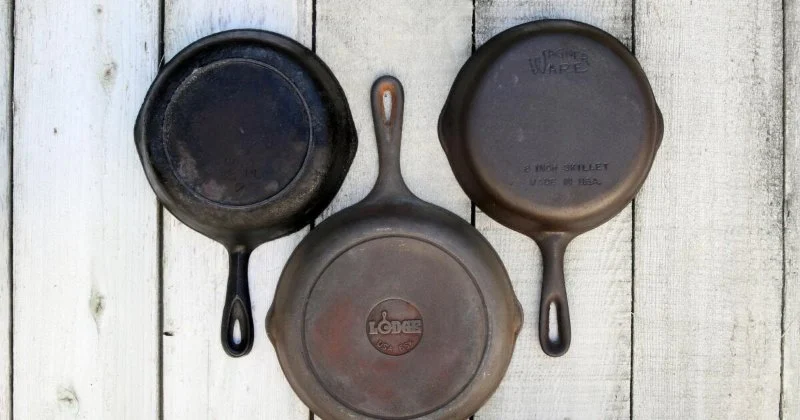
Can You Repair and Restore Old Cast Iron?
- 1- Understanding Cast Iron Restoration
- 2- Why Cast Iron Needs Restoration
- 3- How to Assess the Condition of Your Cast Iron
- 4- Step-by-Step Guide to Restoring Cast Iron
- 5- Common Mistakes to Avoid During Cast Iron Restoration
1- Understanding Cast Iron Restoration
Restoring old cast iron cookware or objects is a popular practice among many enthusiasts and DIY lovers. Cast iron, known for its durability and excellent heat retention, can last for generations if properly cared for. However, over time, it may develop rust, cracks, or other issues that affect its functionality and appearance. Restoring these pieces can bring them back to life, allowing you to continue using them or display them as beautiful antiques.
Many people wonder: can you really repair and restore old cast iron? The answer is yes—when done correctly, restoration can be both effective and cost-efficient. The key is knowing the right techniques and materials to use, which is what we'll cover in this guide.

Miracle Method Surface Refinishing / miracle tub refinishing
Santa RosaSonoma CountyCalifornia
3200 Dutton Ave Suite #325, Santa Rosa, CA 95407, USA
2- Why Cast Iron Needs Restoration
Over time, cast iron can suffer from wear and tear due to exposure to moisture, air, and high heat. Here are the most common reasons you might need to restore cast iron:
- Rust: Cast iron is prone to rusting when exposed to moisture for extended periods. If not properly dried and seasoned, rust can develop, compromising the quality of the cookware.
- Cracks: Cast iron is a heavy material and can crack or break due to mishandling, thermal shock, or simply age.
- Loss of Seasoning: Over time, the seasoning on cast iron, which helps prevent rusting and provides a non-stick surface, can wear off, making the cookware less effective.
3- How to Assess the Condition of Your Cast Iron
Before diving into restoration, it’s essential to evaluate the condition of your cast iron piece. Here’s what you should check:
- Surface Condition: Examine the surface for rust, pitting, or cracks. Light rust can often be removed, but deep cracks might require professional repair.
- Weight: Cast iron is typically heavy. If the item feels unusually light or shows significant wear, it may have been damaged.
- Functionality: Test how the cast iron functions. If it’s cookware, ensure it heats evenly and holds seasoning well. For decorative items, assess its structural integrity.
4- Step-by-Step Guide to Restoring Cast Iron
If your cast iron is in need of restoration, follow these steps for the best results:
- Clean the Cast Iron: Remove any dirt, old food, and rust using steel wool, sandpaper, or a wire brush. For heavy rust, use a mixture of vinegar and water to soak the cast iron.
- Dry the Piece: After cleaning, thoroughly dry your cast iron to prevent new rust from forming. You can heat it on the stove or in the oven to ensure it’s completely dry.
- Season the Cast Iron: Apply a thin layer of vegetable oil or shortening to the surface. Bake the cast iron in the oven at around 450°F (230°C) for an hour. This will create a non-stick, rust-resistant coating.
- Check for Cracks: If there are cracks, use a specialized cast iron repair epoxy. These epoxies are designed to handle the high heat of cast iron cookware.
5- Common Mistakes to Avoid During Cast Iron Restoration
While restoring cast iron is a rewarding project, there are several common mistakes to avoid:
- Over-scrubbing: Avoid using harsh abrasives that can damage the surface of your cast iron. Gentle cleaning is often more effective for removing rust and grime.
- Skipping the Drying Step: Never leave cast iron wet, as this can quickly lead to rusting. Always make sure it’s thoroughly dried after cleaning.
- Using the Wrong Oil for Seasoning: Stick with oils that can withstand high heat, such as vegetable oil, flaxseed oil, or grapeseed oil. Avoid olive oil as it can burn at high temperatures.
- Not Re-seasoning Enough: Cast iron often needs several layers of seasoning to build up a strong, protective layer. Don’t rush the process and ensure you apply thin coats.
Restoring cast iron is a rewarding process that can extend the life of your cookware and restore it to its former glory. Whether you’re repairing an old skillet, a Dutch oven, or a vintage decorative item, following the proper restoration techniques can help you avoid common mistakes and achieve the best results.
If you’re looking for the best products and services for cast iron restoration, visit Cast Iron Restoration for expert tools, guides, and recommendations tailored to your needs.



 One Guy With Tools4.0 (11 reviews)
 Crown Custom Cabinetry Inc4.0 (4 reviews)
 Rock Counter Kitchen & Bath4.0 (72 reviews)
 Re-Bath5.0 (110 reviews)
 Miracle Method Surface Refinishing4.0 (82 reviews)
 Peacock & Company4.0 (12 reviews)
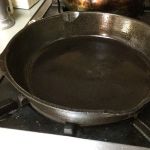 How to Refurbish a Cast Iron Skillet at Home: A Complete Guide
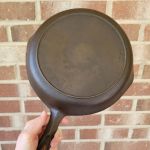 Best Products for Cast Iron Restoration Service: Top Tools and Products
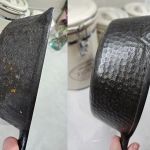 Simple At-Home Techniques for Cast Iron Restoration | Restore Your Cookware
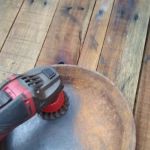 How to Restore Cast Iron at Home | A Complete Guide for Beginners
 How Long Does Cast Iron Skillet Refinishing Take? Realistic Timeline for Restoration
 What to Avoid When Attempting Cast Iron Refinishing: Common Mistakes to Watch Out For