
- - schedule planning foundation - #schedule-planning-foundation
- - budgeting strategies for refinishing projects - #budgeting-strategies
- - material and labor coordination timing - #material-labor
- - avoiding common delays and hidden costs - #avoiding-delays
- - real world refinishing case study lessons - #case-study
- - quality control and final delivery timing - #quality-control
- - professional support and service selection - #professional-support
Schedule Planning Foundation in Refinishing Projects
A refinishing project rarely fails because of a single big mistake. More often, it drifts off track through a series of small timing issues that slowly compound. Whether it is a kitchen cabinet refresh, hardwood floor restoration, or a heavy-duty cast iron resurfacing job, the foundation of success always begins with schedule discipline that is realistic, detailed, and flexible enough to absorb surprises without collapsing the entire plan.
In real-world renovation environments across the United States, contractors often face a familiar pattern: homeowners underestimate preparation time, while crews underestimate drying, curing, or curing-related delays. A properly structured timeline begins with mapping every stage of work into micro-phases instead of broad assumptions. For example, “refinishing cabinets” should not be treated as a single task, but as a sequence of removal, stripping, sanding, priming, coating, curing, and reinstalling.
A practical scheduling approach also considers external constraints such as weather (for ventilation-dependent coatings), vendor availability, and labor overlap. Projects that succeed on time tend to have built-in buffers—typically 10–20% of total time allocated specifically for unpredictability. This is especially important in restoration-heavy work like cast iron resurfacing where surface preparation and curing can vary depending on environmental conditions.
A useful mindset is to treat scheduling not as a fixed calendar but as a living system. The best project managers update timelines weekly, sometimes daily, based on actual progress instead of original assumptions.

Miracle Method Surface Refinishing / miracle tub refinishing
Santa RosaSonoma CountyCalifornia
3200 Dutton Ave Suite #325, Santa Rosa, CA 95407, USA
Budgeting Strategies for Refinishing Projects
Budget control in refinishing work is rarely about finding the cheapest option. It is about preventing cost leakage. Many homeowners assume the initial estimate is the final number, but experienced contractors know that refinishing projects evolve as hidden conditions are discovered beneath old surfaces.
One of the most common financial surprises comes from surface damage discovered during stripping. For instance, hardwood floors may reveal deep water damage, or a vintage cast iron item may require additional rust stabilization layers before any cosmetic restoration can begin. These discoveries do not necessarily mean failure; instead, they highlight the importance of contingency planning.
A reliable budgeting strategy includes three layers:
First, a baseline estimate covering standard labor and materials. Second, a contingency reserve that accounts for unexpected repair needs. Third, a quality buffer that ensures the project does not compromise materials or finishes when costs tighten. Projects that skip the third layer often end up with visually acceptable but short-lived results.
Another overlooked aspect is the timing of payments. Structuring payments based on milestones rather than upfront lump sums helps align contractor incentives with project progress. This approach also improves transparency and reduces disputes when timelines shift.
For homeowners managing larger restoration efforts, platforms such as Cast Iron Restoration can provide guidance on selecting appropriate service packages and sourcing materials that align with both budget expectations and long-term durability goals.

America Refinishing Pros / america refinishing pros
9510 SW 137th Ave, Miami, FL 33186, USA
Material and Labor Coordination Timing
Even the most carefully designed refinishing schedule can collapse if materials and labor are not synchronized. A delayed shipment of coatings or a mismatch in contractor availability can create cascading delays that push the entire timeline backward.
The most effective coordination strategy begins with early procurement. Materials such as primers, sealants, and specialty coatings should be ordered before demolition or stripping begins. This is particularly critical in restoration projects involving cast iron surfaces where specialized rust inhibitors or heat-resistant coatings may have longer lead times.
Labor scheduling also requires sequencing logic. Skilled tasks such as final coating application should never be scheduled too close to preliminary sanding or preparation phases performed by different teams. Overlapping these tasks without clear separation often leads to rework, contamination, or compromised finish quality.
A professional-grade workflow typically assigns “handoff points” between teams. These checkpoints ensure that one phase is fully completed and inspected before the next begins. This reduces confusion and prevents partial work from being mistaken for completion.
Avoiding Common Delays and Hidden Costs
Delays in refinishing projects are rarely dramatic events. Instead, they accumulate through predictable yet often ignored factors. One of the most common is inadequate surface preparation. Rushing sanding or cleaning stages leads to adhesion failures, requiring full rework that doubles both time and cost.
Another frequent issue is environmental control. Humidity and temperature fluctuations significantly impact drying times. In regions with seasonal humidity swings, drying periods can extend far beyond manufacturer recommendations, especially for multi-layer coatings used in high-durability refinishing work.
Hidden costs also emerge from logistical inefficiencies. For example, repeated trips for missing materials or last-minute tool rentals can quietly inflate budgets. These are not large expenses individually, but collectively they can push a project over budget by 10–25%.
One practical strategy is implementing a pre-start checklist that includes material verification, surface readiness confirmation, and environmental condition assessment. Projects that consistently use structured checklists tend to experience fewer disruptions and more predictable completion timelines.
In specialized restoration fields such as cast iron resurfacing, ignoring microscopic surface defects during early stages can result in long-term structural failure. This is why experienced professionals invest heavily in inspection before any cosmetic work begins.
Real World Refinishing Project Case Study Lessons
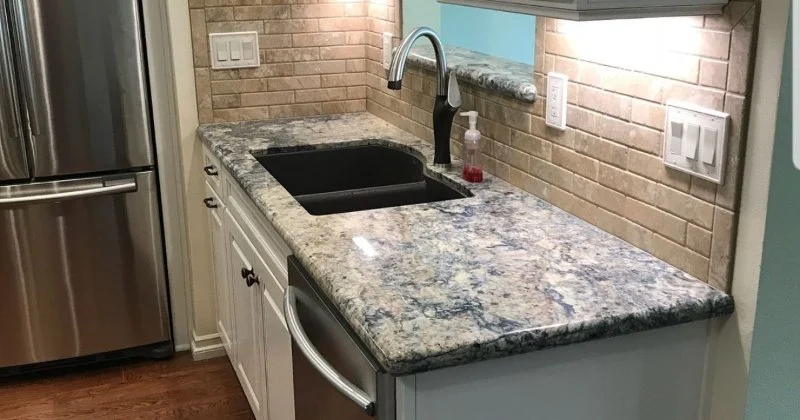
Consider a residential kitchen refinishing project in a mid-sized U.S. home where cabinet resurfacing was combined with countertop restoration. The original plan estimated a two-week completion timeline with moderate budget flexibility.
During stripping, the team discovered that moisture damage had weakened several cabinet frames. What initially appeared as a cosmetic upgrade quickly evolved into a partial structural repair project. Without a contingency plan, this would have caused a major delay.
However, because the project included a predefined buffer period and staged budgeting, the team was able to reallocate resources without halting progress. Additional carpentry work was scheduled in parallel with drying phases, preventing idle labor time.
Another important lesson came from material coordination. A delayed shipment of specialty coating could have stalled the project for several days. Instead, the contractor substituted a compatible alternative already approved in the contingency plan, maintaining schedule integrity without sacrificing finish quality.
This case illustrates a critical truth: successful refinishing projects are not defined by the absence of problems, but by the presence of structured responses to those problems.
Quality Control and Final Delivery Timing
As a refinishing project approaches completion, the focus shifts from execution speed to precision and inspection. This phase is often underestimated, yet it determines whether the final result feels professional or rushed.
Quality control should be treated as a formal phase rather than an informal walkthrough. Every surface should be evaluated under consistent lighting conditions, checking for inconsistencies in texture, color uniformity, and coating adhesion.
Timing also matters in final delivery. Premature use of refinished surfaces is one of the most common causes of premature wear. Even if a surface appears dry, internal curing processes may still be ongoing. This is especially relevant for heavy-duty restoration work where layered coatings require extended stabilization periods.
A structured delivery timeline includes staged usage guidelines. For example, light use may be permitted after initial curing, while full load-bearing use is delayed until complete stabilization is confirmed. This ensures that the investment in refinishing delivers long-term durability rather than short-term appearance.
Professional restoration services often include post-completion inspection windows, allowing adjustments after initial settling. This final step is crucial for maintaining both aesthetic and structural integrity.
Professional Support and Service Selection
Choosing the right professional support often determines whether a refinishing project stays on track or spirals into extended delays and rising costs. Experience matters, but process discipline matters even more.
A reliable contractor does more than execute tasks. They anticipate risks, communicate clearly, and structure workflows that minimize uncertainty. This includes providing transparent timelines, documented material lists, and clearly defined scope boundaries.
For homeowners or property managers handling complex restoration work, specialized services such as Cast Iron Restoration can offer targeted expertise in handling durable materials that require precision surface treatment and controlled curing environments. Working with professionals who understand both the technical and logistical aspects of refinishing significantly reduces project volatility.
Another key factor in selecting support is communication cadence. Teams that provide consistent progress updates help prevent misunderstandings and allow early intervention when issues arise. This proactive communication style is often the difference between a controlled delay and a full project disruption.
Ultimately, professional support is not just about labor execution—it is about system management. The best teams function as coordinators of time, cost, and quality simultaneously, ensuring that refinishing projects remain stable from start to finish.






 ARS WOOD WORKS INC.5.0 (21 reviews)
 Royal Woodworks, LLC4.0 (59 reviews)
 Luxurious Construction LLC5.0 (86 reviews)
 CHS Construction Group4.0 (35 reviews)
 Rockbay Construction & Remodeling5.0 (36 reviews)
 KOHLER Store by Studio414.0 (26 reviews)
 How to Refurbish a Cast Iron Skillet at Home: A Complete Guide
 Best Products for Cast Iron Restoration Service: Top Tools and Products
 Simple At-Home Techniques for Cast Iron Restoration | Restore Your Cookware
 How to Restore Cast Iron at Home | A Complete Guide for Beginners
 How Long Does Cast Iron Skillet Refinishing Take? Realistic Timeline for Restoration
 What to Avoid When Attempting Cast Iron Refinishing: Common Mistakes to Watch Out For