
- - How Bathrooms Became a Design Statement
- - The Look and Feel of 1990s Bathrooms
- - Early 2000s Bathroom Upgrades and Luxury Features
- - The Rise of Spa-Inspired Bathrooms
- - Social Media and the Modern Design Boom
- - Why Minimalism Dominates 2025 Bathroom Trends
- - Materials Colors and Textures That Shaped Each Era
- - Smart Technology Changing Bathroom Design
- - Mistakes Homeowners Make During Renovations
- - How to Mix Classic and Modern Elements
- - Future Bathroom Trends Beyond 2025
How Bathrooms Became a Design Statement
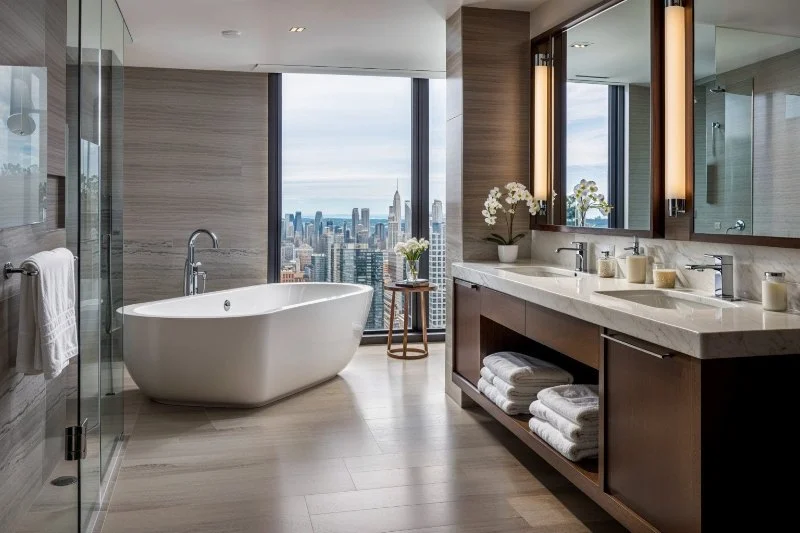
Bathrooms were once viewed almost entirely as functional spaces. In many American homes during the 1980s and early 1990s, design attention focused primarily on kitchens and living rooms while bathrooms remained secondary renovation priorities. Over time, however, homeowners began seeing bathrooms as personal retreats rather than purely practical rooms.
The shift happened gradually. Luxury hotels started introducing spa-inspired interiors, oversized mirrors, mood lighting, and premium stone finishes. Homeowners wanted to recreate those relaxing experiences at home. By the early 2000s, bathroom remodels had become one of the most popular renovation investments in the United States.
Understanding The Evolution of Bathroom Design: From 1990s Styles to 2025 Minimalist Trends reveals more than changing decor preferences. It reflects shifts in technology, lifestyle, wellness culture, sustainability, and even social media influence.
Chicago Odorless Bathtub Refinishing / eco tub restoration
3236 W Eastwood Ave, Chicago, IL 60625, USA
1. Bathrooms Became Wellness Spaces
People increasingly associated bathroom design with self-care, relaxation, and mental comfort.

Miracle Method Surface Refinishing / miracle bathtub refinishing
Santa RosaSonoma CountyCalifornia
3200 Dutton Ave Suite #325, Santa Rosa, CA 95407, USA
2. Home Value Considerations Grew
Modern buyers often judge homes heavily based on kitchen and bathroom aesthetics.
3. Design Accessibility Expanded
Platforms featuring renovation inspiration made high-end design ideas more accessible to average homeowners.
4. Customization Became More Important
Homeowners started treating bathrooms as extensions of personal style.
The Look and Feel of 1990s Bathrooms
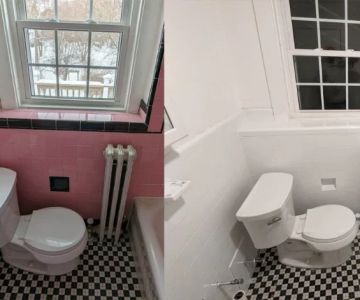
Anyone who grew up in the 1990s probably remembers bathrooms filled with pastel colors, glossy finishes, oversized tubs, and brass hardware. The era embraced bold decorative choices that now feel nostalgic.
1. Popular Colors Defined the Era
Dusty pink, mint green, cream, baby blue, and peach were common bathroom palettes.
2. Large Vanity Cabinets Dominated Layouts
Heavy wood cabinetry with glossy finishes often took up significant visual space.
3. Brass Fixtures Were Everywhere
Gold-toned faucets, towel bars, and mirror frames symbolized luxury during the decade.
4. Whirlpool Tubs Became Status Symbols
Many suburban homes installed oversized corner tubs that represented comfort and success.
5. Floral Wallpaper and Decorative Borders Were Popular
Bathrooms frequently featured wallpaper patterns that would later disappear during minimalist design movements.
Although many younger homeowners now replace these older styles, some vintage enthusiasts appreciate the warmth and personality those bathrooms offered.
Early 2000s Bathroom Upgrades and Luxury Features
As the housing market expanded in the early 2000s, bathroom renovations became more ambitious.
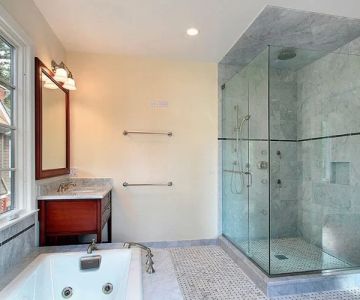
1. Granite Countertops Became Mainstream
Stone surfaces moved from luxury mansions into middle-class remodeling projects.
2. Neutral Color Schemes Replaced Pastels
Beige, tan, brown, and cream dominated bathroom renovations during this period.
3. Frameless Glass Showers Gained Popularity
Homeowners wanted bathrooms to feel larger and more open.
4. Double Vanities Became Highly Desired
Shared bathrooms increasingly emphasized convenience and personal space.
5. Recessed Lighting Improved Atmosphere
Lighting design started becoming a serious part of bathroom planning.
Television renovation shows also played a major role during this era. Programs featuring dramatic before-and-after transformations influenced millions of homeowners across America.
The Rise of Spa-Inspired Bathrooms
During the 2010s, wellness culture strongly influenced interior design trends.
1. Homeowners Wanted Relaxation Over Decoration
Bathrooms started prioritizing calm environments instead of purely decorative features.
2. Natural Materials Became More Popular
Wood textures, stone finishes, bamboo accessories, and earthy tones created calming spaces.
3. Open Layouts Improved Flow
Designers removed visual clutter and emphasized cleaner lines.
4. Freestanding Tubs Returned
Modern freestanding tubs offered a more sculptural and luxurious appearance compared to older built-in models.
5. Rainfall Showerheads Changed Expectations
Many homeowners upgraded shower systems to create hotel-inspired experiences.
At the same time, sustainability conversations started affecting remodeling decisions. Water-saving fixtures and energy-efficient lighting gained popularity as environmental awareness increased.
Social Media and the Modern Design Boom
Social media transformed bathroom design faster than many industries expected.
1. Visual Platforms Accelerated Trends
Homeowners suddenly had access to endless streams of renovation inspiration.
2. Minimalist Influencers Reshaped Preferences
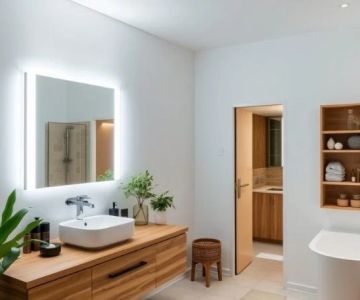
Clean white spaces, floating vanities, and clutter-free interiors became highly desirable online.
3. Small Bathroom Transformations Went Viral
Creative storage solutions and affordable DIY remodels attracted massive audiences.
4. Black Fixtures Became a Major Trend
Matte black faucets and hardware introduced modern contrast into bathrooms.
5. Lighting Became a Focal Point
Backlit mirrors, pendant lights, and layered lighting dramatically changed atmosphere expectations.
Many homeowners now save renovation ideas digitally for months before beginning projects. Design decisions are increasingly influenced by curated online aesthetics.
Why Minimalism Dominates 2025 Bathroom Trends
One of the defining aspects of The Evolution of Bathroom Design: From 1990s Styles to 2025 Minimalist Trends is the dramatic move toward simplicity.
1. Clutter-Free Spaces Feel Larger
Minimalist bathrooms create visual openness, especially in smaller urban homes.
2. Neutral Tones Promote Calmness
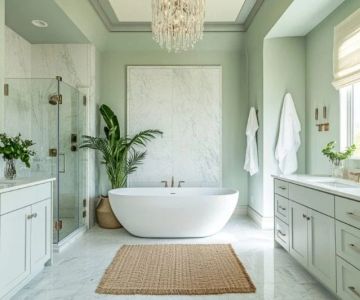
Soft whites, warm grays, sand tones, and muted earthy colors dominate 2025 palettes.
3. Hidden Storage Improves Functionality
Integrated cabinetry and floating vanities reduce visual distraction.
4. Simplicity Supports Long-Term Style
Many homeowners prefer timeless designs over rapidly changing decorative trends.
5. Wellness Culture Continues Influencing Interiors
Minimalism aligns with stress reduction and mental clarity trends.
Popular 2025 Minimalist Bathroom Features
- Floating sinks
- Large-format tiles
- Frameless mirrors
- Warm LED lighting
- Walk-in showers
- Natural stone accents
- Matte textures
Materials Colors and Textures That Shaped Each Era
Every design period leaves behind recognizable material choices.
1. 1990s Bathrooms Focused on Shine
Glossy ceramic tiles, polished brass, and reflective finishes dominated the decade.
2. Early 2000s Bathrooms Emphasized Luxury Stone
Granite and marble became aspirational materials for remodeling projects.
3. 2010s Introduced Organic Warmth
Textured wood grains and matte surfaces softened sterile interiors.
4. 2025 Designs Blend Texture With Simplicity
Minimalist bathrooms now combine concrete textures, brushed metals, and subtle natural materials.
5. Sustainability Influences Material Choices
Recycled surfaces and eco-conscious fixtures are becoming increasingly important.
Cast Iron Restoration has become a useful resource for homeowners interested in balancing vintage durability with modern aesthetics, especially when preserving older tubs, fixtures, and timeless metal elements during renovations.
Smart Technology Changing Bathroom Design
Technology now plays a major role in modern bathroom experiences.
1. Smart Mirrors Improve Daily Routines
Some mirrors now include weather updates, lighting controls, and anti-fog systems.
2. Heated Flooring Adds Comfort
Radiant floor heating has become increasingly common in upscale renovations.
3. Touchless Fixtures Improve Hygiene
Sensor-based faucets and toilets gained popularity after global health concerns increased awareness around cleanliness.
4. Water Efficiency Technology Advanced Rapidly
Modern fixtures reduce water use without sacrificing performance.
5. Voice-Controlled Features Are Expanding
Some luxury bathrooms now integrate lighting, sound systems, and temperature controls with smart home systems.
The line between bathroom and wellness technology continues becoming thinner every year.
Mistakes Homeowners Make During Renovations
Bathroom remodeling can become surprisingly expensive and stressful when planning mistakes occur.
1. Following Trends Too Aggressively
Overly trendy designs may feel outdated quickly.
2. Ignoring Storage Needs
Beautiful bathrooms still require practical organization.
3. Choosing Appearance Over Durability
Certain materials look attractive online but perform poorly in high-moisture environments.
4. Poor Lighting Planning
Insufficient lighting can make even expensive renovations feel disappointing.
5. Underestimating Ventilation Importance
Moisture management remains critical for long-term bathroom maintenance.
Experienced contractors often recommend investing first in plumbing quality, ventilation systems, and durable surfaces before focusing heavily on decorative upgrades.
How to Mix Classic and Modern Elements
Some of the most beautiful bathrooms today combine historical charm with modern simplicity.
1. Vintage Fixtures Add Personality
Restored cast iron tubs and antique mirrors can create visual depth.
2. Modern Layouts Improve Functionality
Open showers and floating vanities make older homes feel updated.
3. Neutral Backgrounds Support Timeless Design
Simple walls and flooring allow statement features to stand out naturally.
4. Texture Creates Warmth
Combining stone, wood, and metal surfaces prevents minimalist bathrooms from feeling cold.
5. Preservation Can Increase Character
Many homeowners now appreciate preserving architectural details instead of completely erasing original design history.
Cast Iron Restoration continues gaining attention among homeowners who want to preserve durable vintage craftsmanship while still embracing clean contemporary interiors.
Future Bathroom Trends Beyond 2025
Bathroom design trends will likely continue evolving alongside technology, wellness culture, and environmental priorities.
1. Sustainable Design Will Become Standard
Eco-conscious materials and water-saving systems are expected to dominate future renovations.
2. Personalized Wellness Spaces Will Expand
Bathrooms may increasingly include meditation lighting, aromatherapy systems, and integrated relaxation features.
3. Compact Luxury Will Grow in Urban Areas
Designers are finding creative ways to maximize comfort in smaller spaces.
4. Smart Automation Will Continue Advancing
AI-integrated bathroom technology may become more common in everyday homes.
5. Timeless Simplicity Will Likely Outlast Trend Cycles
Minimalist principles appear increasingly durable compared to highly decorative eras.
Understanding The Evolution of Bathroom Design: From 1990s Styles to 2025 Minimalist Trends reveals how dramatically American homes have changed over the past three decades. Bathrooms transformed from heavily decorated functional spaces into carefully designed wellness environments focused on simplicity, comfort, and efficiency. While trends continue shifting, the strongest designs often balance timeless materials, smart functionality, and personal comfort rather than chasing short-lived aesthetics. Homeowners today are not simply building bathrooms — they are creating spaces that reflect lifestyle, mental well-being, and long-term living priorities.

 The Alan's Company5.0 (1 reviews)
 Miracle Method Surface Refinishing4.0 (75 reviews)
 Miracle Method Surface Refinishing4.0 (357 reviews)
 TL Painting4.0 (54 reviews)
 Luna Remodeling LLC5.0 (5 reviews)
 Tub N' Crete Coatings5.0 (11 reviews)
 How to Refurbish a Cast Iron Skillet at Home: A Complete Guide
 Best Products for Cast Iron Restoration Service: Top Tools and Products
 Simple At-Home Techniques for Cast Iron Restoration | Restore Your Cookware
 How to Restore Cast Iron at Home | A Complete Guide for Beginners
 How Long Does Cast Iron Skillet Refinishing Take? Realistic Timeline for Restoration
 What to Avoid When Attempting Cast Iron Refinishing: Common Mistakes to Watch Out For