
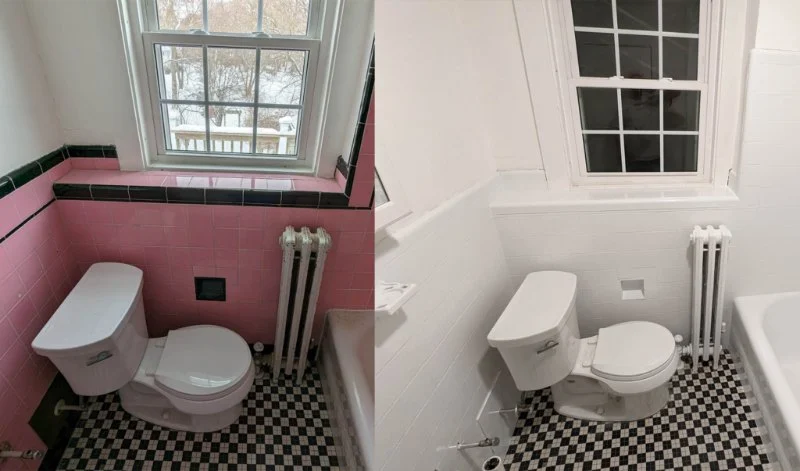
- 1-Bathroom Refinishing vs Repainting-Understanding the Basics
- 2-Processes and Materials-What Each Method Involves
- 3-Cost and Durability Considerations-Which Is More Economical?
- 4-Common Mistakes and How to Avoid Them-Lessons from Real Cases
- 5-Choosing the Right Option for Your Home-Tips and Expert Insights
- 6-Professional Services vs DIY-Why Experts Make a Difference
1. Bathroom Refinishing vs Repainting - Understanding the Basics
When homeowners consider updating their bathrooms, the decision often comes down to whether to refinish or repaint. Although these terms may seem interchangeable, they involve very different techniques and outcomes. Bathroom refinishing typically refers to restoring surfaces like bathtubs, sinks, or tile using specialized coatings to repair chips, cracks, and worn finishes. Repainting, on the other hand, usually involves applying a new layer of paint over existing surfaces, often for cosmetic purposes.
Refinishing aims to rejuvenate the original materials, enhancing durability and creating a like-new appearance without full replacement. Repainting is primarily aesthetic and does not address structural wear. Understanding this distinction is critical for homeowners seeking long-term value rather than temporary fixes.

Miracle Method Surface Refinishing / miracle refinish tubs
Santa RosaSonoma CountyCalifornia
3200 Dutton Ave Suite #325, Santa Rosa, CA 95407, USA
2. Processes and Materials - What Each Method Involves
Each approach employs different materials and preparation methods, which influence results:

Carefree Koatings / miracle method louisville ky
8919 Renetta Ct, Cincinnati, OH 45251, USA
2.1 Bathroom Refinishing Process
Refinishing involves meticulous preparation, including surface cleaning, sanding, and repairing minor damages. Professionals often use epoxy or polyurethane coatings designed specifically for high-moisture areas. The process may also include sealing edges to prevent water damage. This method can restore cast iron or porcelain surfaces to near-original quality, making it a popular choice for older homes with vintage bathtubs.
2.2 Bathroom Repainting Process
Repainting is generally faster and less technical. It involves cleaning, priming, and applying water-resistant paint. While it offers an immediate visual refresh, it does not correct structural imperfections and may peel or chip over time in wet conditions. Choosing high-quality, bathroom-specific paints can improve longevity, but repainting is often seen as a short-term solution compared to refinishing.
3. Cost and Durability Considerations - Which Is More Economical?
Understanding the financial implications and durability of each method is crucial:
3.1 Cost of Refinishing vs Repainting
Refinishing typically costs more upfront due to professional expertise and specialized materials. However, it often extends the life of your surfaces by 10-15 years. Repainting is cheaper initially but may require reapplication every 2-5 years depending on moisture exposure and quality of paint.
3.2 Long-Term Value
Homeowners often find that refinishing offers better long-term value. For example, a classic cast iron bathtub restored through professional refinishing can maintain its appeal and structural integrity for decades. Repainting might look fresh for a few months, but its inability to repair underlying wear often leads to recurring maintenance costs.
4. Common Mistakes and How to Avoid Them - Lessons from Real Cases
Many homeowners unintentionally compromise results by misunderstanding the process:
4.1 DIY Refinishing Risks
Some attempt DIY refinishing using over-the-counter kits. Real-life examples show that improper surface preparation leads to peeling and uneven finishes. For instance, a homeowner shared on a popular renovation forum how a weekend DIY refinishing attempt caused their tub to look worse than before.
4.2 Repainting Pitfalls
With repainting, common mistakes include neglecting primer or using regular paint not suited for humid environments. This often results in bubbling, cracking, or discoloration. Learning from these cases, professional services like Cast Iron Restoration provide guidance and quality materials, ensuring lasting results.
5. Choosing the Right Option for Your Home - Tips and Expert Insights
Deciding between refinishing and repainting depends on your goals, budget, and the condition of your bathroom surfaces:
5.1 Surface Condition
If your bathtub or tiles have chips, cracks, or worn glaze, refinishing is typically the better choice. For minor cosmetic updates or color changes, repainting can suffice.
5.2 Desired Longevity
Consider how long you plan to stay in your home. Refinishing provides durable results suitable for long-term living or resale, while repainting is more appropriate for short-term visual updates.
5.3 Professional Consultation
Consulting a professional service like Cast Iron Restoration can help homeowners evaluate surfaces and select the method that balances aesthetics, durability, and budget. Experts can also ensure safe application of materials, avoiding health hazards from chemical exposure.
6. Professional Services vs DIY - Why Experts Make a Difference
While DIY projects can be tempting, professional refinishing offers several advantages:
6.1 Expertise and Equipment
Professionals have the training and equipment to achieve smooth, long-lasting finishes. For example, spray application systems can evenly coat surfaces, reducing the risk of streaks and bubbles common in DIY attempts.
6.2 Warranty and Assurance
Services like Cast Iron Restoration often provide warranties for refinished surfaces, giving homeowners peace of mind. DIY projects usually carry no guarantees, increasing the risk of repeated costs.
6.3 Case Study: Vintage Bathroom Transformation
A recent client in New York had a 1930s cast iron tub with severe enamel wear. After consulting Cast Iron Restoration, the tub was professionally refinished over two days. The result was a gleaming, like-new surface that preserved the tub’s historical charm while enhancing durability. Attempting this project without expertise would likely have led to uneven finishes and wasted materials.
Ultimately, understanding the difference between bathroom refinishing and repainting allows homeowners to make informed decisions that maximize both aesthetics and long-term value. Whether choosing a professional refinishing service or a short-term repaint, careful consideration of surface condition, budget, and expected longevity ensures the best outcome for every bathroom.






 S & S Renovations5.0 (22 reviews)
 Bathtub Refinishing & More5.0 (9 reviews)
 Designer Cabinet Refinishing4.0 (28 reviews)
 Twin Cities Refinishing5.0 (9 reviews)
 A.E.A. Renovations, Ltd.5.0 (2 reviews)
 Five Star Bath Solutions of Rockford5.0 (62 reviews)
 How to Refurbish a Cast Iron Skillet at Home: A Complete Guide
 Best Products for Cast Iron Restoration Service: Top Tools and Products
 Simple At-Home Techniques for Cast Iron Restoration | Restore Your Cookware
 How to Restore Cast Iron at Home | A Complete Guide for Beginners
 How Long Does Cast Iron Skillet Refinishing Take? Realistic Timeline for Restoration
 What to Avoid When Attempting Cast Iron Refinishing: Common Mistakes to Watch Out For