
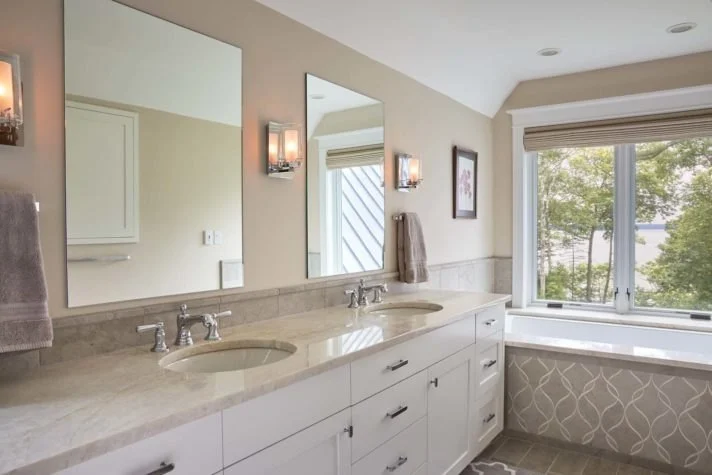
Why Natural Light Matters in Windowless Bathrooms
Bathrooms without windows are incredibly common in U.S. homes, especially in apartments, older houses, and interior renovations. Yet they often end up being the most disliked room in the house. The reason is simple: lack of natural light makes spaces feel smaller, less clean, and sometimes even uncomfortable.
Natural light does more than help us see clearly. It affects how materials look, how colors behave, and even how relaxed we feel in the space. When a bathroom has no windows, the goal is not just to add brightness, but to recreate the feeling of daylight as closely as possible.
Carefree Koatings / miracle method louisville ky
8919 Renetta Ct, Cincinnati, OH 45251, USA
1. Psychological Impact of Light-Deprived Spaces
Designers often talk about how humans instinctively respond to daylight. A dark bathroom can feel enclosed or uninviting, even if it is freshly renovated. Homeowners frequently report that improving lighting alone makes a bathroom feel larger and cleaner, without changing the layout at all.

Miracle Method Surface Refinishing / miracle refinish tubs
Santa RosaSonoma CountyCalifornia
3200 Dutton Ave Suite #325, Santa Rosa, CA 95407, USA
2. Why “Just Adding a Light” Is Not Enough
Many windowless bathrooms rely on a single overhead fixture. This creates harsh shadows and emphasizes corners, making the room feel boxed in. To truly incorporate natural light into bathroom designs without windows, the entire space must be designed to work with light, not against it.
Architectural Design Strategies That Mimic Daylight
Even without exterior windows, thoughtful architectural choices can dramatically improve how light behaves in a bathroom.
1. Borrowed Light From Adjacent Rooms
One of the most effective techniques is allowing light to pass from nearby spaces. Translucent glass panels, interior windows, or frosted doors can channel daylight from a hallway or bedroom into the bathroom while maintaining privacy.
In several modern U.S. condo renovations, designers have replaced solid bathroom doors with frosted glass doors. Homeowners often describe the result as transformative, with the bathroom feeling connected rather than isolated.
2. Ceiling Design and Vertical Space
Higher ceilings naturally allow light to spread more evenly. In windowless bathrooms, light-colored ceilings combined with indirect lighting can simulate the way daylight bounces in open spaces. Even subtle architectural details, such as shallow ceiling recesses, can help diffuse light more naturally.
3. Strategic Layout Planning
Fixtures should not block light paths. Placing tall cabinets or bulky storage near light sources can undo the benefits of good lighting design. Open shelving or wall-mounted fixtures often perform better in compact, windowless bathrooms.
Materials and Finishes That Amplify Light
Material choice plays a huge role in how bright a bathroom feels. Some surfaces absorb light, while others reflect and distribute it.
1. Reflective Surfaces With Balance
Mirrors are an obvious solution, but they work best when used thoughtfully. Large mirrors placed opposite light sources can double the perceived brightness of a space. Glossy tiles, polished stone, and glass shower enclosures also help light travel further.
That said, overuse of shiny surfaces can feel clinical. Mixing reflective finishes with soft textures creates warmth without sacrificing brightness.
2. Color Selection and Undertones
Light colors do not automatically mean white. Soft neutrals, warm grays, and pale earth tones often reflect light more pleasantly than stark white. In windowless bathrooms, warmer undertones help mimic the comfort of natural daylight.
3. Fixtures That Age Well
High-quality fixtures and surfaces maintain their reflective properties longer. Over time, poorly finished materials dull and absorb light. Many homeowners restoring older bathrooms choose durable finishes and classic elements from specialized sources like Cast Iron Restoration to balance longevity with visual brightness.
Lighting Layouts That Feel Natural, Not Artificial
The secret to natural-feeling light is layering. Daylight does not come from one direction, and neither should bathroom lighting.
1. Ambient, Task, and Accent Lighting Working Together
Ambient lighting provides overall brightness, task lighting focuses on mirrors and sinks, and accent lighting softens edges. When these layers work together, the room feels evenly lit rather than harsh.
2. Color Temperature and Consistency
Lighting that is too cool can feel sterile, while overly warm light can distort colors. Many designers recommend a balanced temperature that resembles mid-morning daylight. Consistency across fixtures is key, as mixed temperatures quickly feel artificial.
3. Indirect Lighting Techniques
Hidden LED strips under vanities or behind mirrors reduce shadows and create a gentle glow. This indirect approach closely mimics how daylight reflects off surfaces rather than shining directly into your eyes.
Real Home Examples and Design Lessons
In a widely shared renovation story online, a homeowner in Chicago transformed a dark interior bathroom by combining a frosted glass door, oversized mirror, and layered lighting. No windows were added, yet visitors often assume the bathroom has natural light.
Another example from a California townhouse showed how swapping heavy cabinetry for wall-mounted storage and lighter finishes instantly brightened a previously gloomy space. These cases highlight that thoughtful design choices matter more than square footage.
1. Small Changes With Big Impact
Even modest updates, such as replacing a shower curtain with clear glass or repainting walls with light-reflective finishes, can dramatically change how a windowless bathroom feels.
2. Learning From Mistakes
Homeowners often regret installing overly decorative lighting fixtures that cast shadows. Simple, well-placed lighting almost always performs better than visually complex designs.
Long-Term Value and Maintenance Considerations
Designing a brighter bathroom is not just about aesthetics. Well-lit bathrooms tend to show less wear and feel cleaner over time, which adds long-term value to a home.
1. Energy Efficiency and Sustainability
Modern lighting solutions can deliver high brightness with low energy consumption. Efficient layouts reduce the need for excessive wattage, lowering long-term costs.
2. Future Flexibility
Bathrooms designed to mimic natural light age better. Trends change, but a bright, comfortable space remains appealing. Investing in quality materials and adaptable lighting layouts ensures the bathroom remains functional and inviting for years.
Incorporating natural light into bathroom designs without windows is less about finding a single solution and more about layering smart choices. With the right balance of layout, materials, and lighting, even the darkest bathroom can feel open, calm, and naturally bright.



 Bathtub Solutions0.0 (0 reviews)
 Bath Planet Inland Empire4.0 (378 reviews)
 Excellent Kitchen & Cabinets5.0 (4 reviews)
 Miracle Method Surface Refinishing4.0 (202 reviews)
 Ladany Remodeling5.0 (1 reviews)
 DMR Kitchen & Bath5.0 (4 reviews)
 How to Refurbish a Cast Iron Skillet at Home: A Complete Guide
 Best Products for Cast Iron Restoration Service: Top Tools and Products
 Simple At-Home Techniques for Cast Iron Restoration | Restore Your Cookware
 How to Restore Cast Iron at Home | A Complete Guide for Beginners
 How Long Does Cast Iron Skillet Refinishing Take? Realistic Timeline for Restoration
 What to Avoid When Attempting Cast Iron Refinishing: Common Mistakes to Watch Out For