
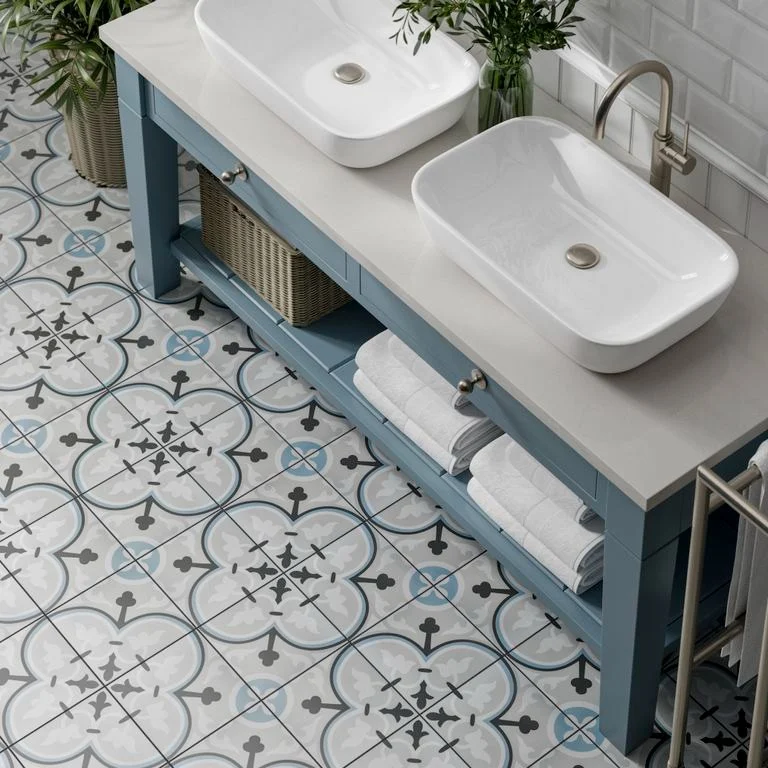
- 1. The Importance of Tile Patterns in Small Bathrooms
- 2. How Tile Patterns Affect the Perception of Space
- 3. Best Tile Patterns for Small or Narrow Bathrooms
- 4. Choosing the Right Color and Texture for Tiles
- 5. Additional Tips for Maximizing Space in Small Bathrooms
1. The Importance of Tile Patterns in Small Bathrooms
When designing a bathroom, especially one that is small or narrow, the choice of tile pattern plays a crucial role in creating a sense of space, style, and functionality. Tiles are not only a practical choice for bathrooms due to their water resistance and durability but also serve as a design element that can enhance the overall aesthetic of the space. The right tile pattern can make a cramped bathroom feel larger and more open, while the wrong pattern may make it feel even smaller and more cluttered.
For small or narrow bathrooms, choosing the correct tile layout is about more than just looks—it’s about creating an illusion of space, adding light, and bringing in a sense of elegance without overwhelming the room. From classic subway tiles to contemporary herringbone designs, your tile pattern will set the tone for the rest of your bathroom’s decor.

Miracle Method Surface Refinishing / miracle tub refinishing
Santa RosaSonoma CountyCalifornia
3200 Dutton Ave Suite #325, Santa Rosa, CA 95407, USA
2. How Tile Patterns Affect the Perception of Space
Tile patterns can dramatically change how we perceive a room’s size and layout. For smaller bathrooms, certain tile patterns help to make the space appear larger and more open, while others can make it feel more enclosed. The key is to opt for designs that draw the eye upward or across the room, enhancing the bathroom’s dimensions.
- Vertical Patterns: Using vertical tile patterns, such as vertically stacked tiles or tiles arranged in a grid, can create the illusion of height in a narrow bathroom. This draws the eye upward, making the space feel taller.
- Horizontal Patterns: Horizontal tile patterns, such as long rectangular tiles or running bond (brick) patterns, can help a narrow bathroom feel wider. These patterns elongate the space and give it a more open, airy feel.
- Diagonal Patterns: Diagonal tile patterns are another great option for small bathrooms. This layout disrupts the straight lines and corners of the room, making the floor area appear larger and more dynamic. While diagonal patterns can be bold, they work well in smaller spaces where you want to make a statement without overwhelming the room.
3. Best Tile Patterns for Small or Narrow Bathrooms
When it comes to choosing the right tile pattern for a small or narrow bathroom, some designs naturally lend themselves to creating a more spacious feel. Below are some of the best tile patterns to consider:
- Subway Tiles: Classic and timeless, subway tiles are a great option for small bathrooms. Their simple rectangular shape can be laid horizontally to widen a space or vertically to create the illusion of height. Subway tiles also come in a variety of colors, making them highly customizable to suit any bathroom style.
- Herringbone: A chic and elegant choice, herringbone tiles create a pattern that adds texture and movement to a small bathroom. The angular lines of the herringbone pattern draw the eye in different directions, creating a feeling of depth. It’s particularly effective when used on a feature wall or as an accent design.
- Chevron: Similar to herringbone but with a continuous V-shape, chevron tiles add energy and style to narrow bathrooms. This pattern can be used on walls or floors to enhance the sense of space, especially when combined with light-colored tiles.
- Grid or Straight Stacked: For a clean, modern look, grid or straight stacked patterns are ideal. These tiles are laid in a simple, linear fashion, providing a sleek and organized aesthetic that makes the bathroom feel more expansive and orderly.
- Large-Format Tiles: Larger tiles with minimal grout lines help create a seamless look that can visually expand the space. They work well on both walls and floors, especially when paired with neutral colors.
4. Choosing the Right Color and Texture for Tiles
In addition to the pattern, color and texture are crucial elements in tile selection for small bathrooms. The right combination can enhance the pattern and further contribute to the perception of space. Lighter colors, such as white, light gray, and pastels, help reflect light and make the room feel more open. On the other hand, dark colors can create a cozy, intimate feel but may make the space appear smaller if used excessively.
Texture also plays an important role in tile design. Glossy or polished tiles reflect light, making the space feel brighter, while matte tiles provide a softer, more understated look. Textured tiles, like those with a subtle pattern or embossed surface, can add depth and interest to a small bathroom without overwhelming the space.
5. Additional Tips for Maximizing Space in Small Bathrooms
Along with choosing the right tile pattern, there are other design strategies that can help you make the most of a small or narrow bathroom:
- Use Mirrors: Strategically placing mirrors in a small bathroom can help reflect both light and the surrounding tile patterns, making the room feel larger. A large mirror over the sink or a mirrored cabinet is an easy and effective way to add visual space.
- Keep the Grout Lines Minimal: Smaller grout lines create a more cohesive, seamless look, helping to make the space appear less cluttered. Opt for grout that closely matches the color of your tiles for a more uniform appearance.
- Maximize Vertical Space: When working with narrow bathrooms, take advantage of vertical space by placing shelves or storage high on the walls. This reduces the need for bulky furniture and makes the room feel more spacious.
- Opt for Floating Fixtures: Floating vanities, toilets, and shelves are perfect for small bathrooms because they leave more visible floor space, creating the illusion of a larger room.
Choosing the right tile pattern for a small or narrow bathroom can truly transform the space. By considering your layout, colors, and patterns, you can design a bathroom that feels open, stylish, and functional. If you're looking for expert advice and high-quality products to enhance your bathroom design, visit Cast Iron Restoration for all your renovation needs.


 MF Bathtub Refinishing & Painting5.0 (2 reviews)
 Rome Remodeling Contractors5.0 (25 reviews)
 Ocean Life Construction3.0 (1 reviews)
 Renovating Spaces Kitchen Cabinets, Baths, & Design5.0 (3 reviews)
 1st Home Remodeling & General Contractors5.0 (9 reviews)
 Artisan Maintenance and Remodeling llc5.0 (1 reviews)
 How to Refurbish a Cast Iron Skillet at Home: A Complete Guide
 Best Products for Cast Iron Restoration Service: Top Tools and Products
 Simple At-Home Techniques for Cast Iron Restoration | Restore Your Cookware
 How to Restore Cast Iron at Home | A Complete Guide for Beginners
 How Long Does Cast Iron Skillet Refinishing Take? Realistic Timeline for Restoration
 What to Avoid When Attempting Cast Iron Refinishing: Common Mistakes to Watch Out For