
- 1- Understanding Construction Waste and Its Impact
- 2- What Are Refinishing Services?
- 3- How Refinishing Services Reduce Waste in Construction
- 4- Benefits of Refinishing Services for Sustainability
- 5- Case Studies: Successful Use of Refinishing Services
- 6- How to Incorporate Refinishing Services in Your Construction Projects
1. Understanding Construction Waste and Its Impact
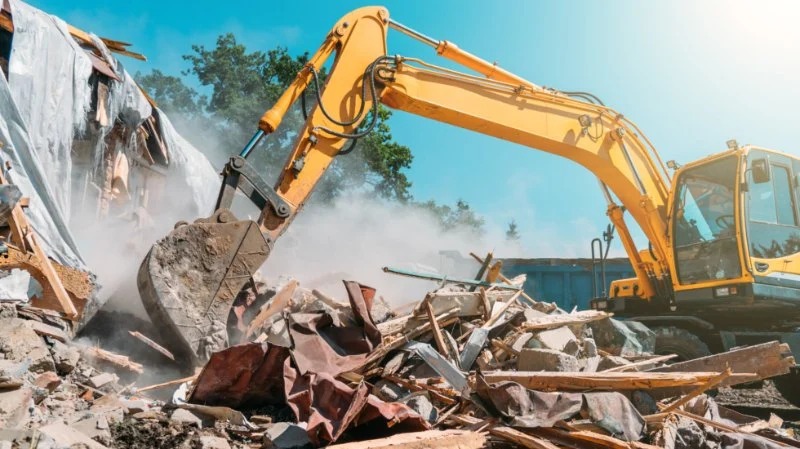
Construction waste is a significant environmental issue. The construction industry produces millions of tons of waste each year, much of which ends up in landfills. This includes materials such as wood, metal, concrete, and plastics, which take up valuable space and contribute to pollution. The environmental impact of construction waste is far-reaching, from greenhouse gas emissions associated with material transportation to the depletion of natural resources required to produce new materials.
One of the primary goals for the construction industry is to minimize waste while maintaining the integrity and quality of buildings and infrastructure. This is where refinishing services come in, offering an innovative and eco-friendly solution to help reduce waste and support sustainable construction practices.

Miracle Method Surface Refinishing / miracle bathtub refinishing
Santa RosaSonoma CountyCalifornia
3200 Dutton Ave Suite #325, Santa Rosa, CA 95407, USA
2. What Are Refinishing Services?
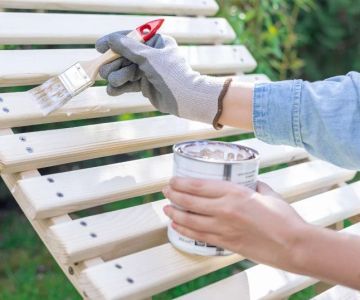
Refinishing services involve restoring and renewing the surfaces of various building materials, including wood, metal, and concrete, rather than replacing them entirely. Common refinishing practices include resurfacing floors, restoring cabinets, refinishing metal fixtures, and repairing and refinishing concrete surfaces. These services extend the lifespan of materials, allowing them to be reused instead of being discarded.
Refinishing can involve processes like sanding, repainting, or re-coating surfaces, making them look as good as new. By choosing refinishing over replacement, construction projects can save money and reduce the environmental impact associated with producing and transporting new materials.
3. How Refinishing Services Reduce Waste in Construction
Refinishing services offer a cost-effective and sustainable alternative to traditional construction practices. Here's how they help reduce waste in the construction industry:
Minimizing Material Disposal
When a building or structure needs updating, many materials—such as hardwood floors, cabinets, and metal fixtures—are often replaced entirely. This leads to large amounts of waste being discarded. By refinishing these materials, they can be restored to their original condition, reducing the need for disposal and the environmental cost of throwing away usable materials.
Reducing Demand for New Materials
The production of new materials, whether it's wood, concrete, or metal, has a significant environmental impact. It consumes natural resources and contributes to pollution. Refinishing existing materials reduces the demand for new products, helping to conserve resources and reduce carbon emissions associated with manufacturing and transportation.
Decreasing Energy Consumption
Refinishing typically requires much less energy than producing new materials from scratch. For example, refinishing wooden floors or restoring metal fixtures takes far less energy than the processes involved in cutting and producing new materials. This energy savings helps reduce the overall carbon footprint of a construction project.
4. Benefits of Refinishing Services for Sustainability
Refinishing services offer several key benefits in terms of sustainability:
Cost Savings
One of the most immediate benefits of refinishing services is the cost savings. Instead of investing in new materials, companies can restore existing ones, often at a fraction of the cost. This makes refinishing a smart financial decision for construction projects, especially those working within tight budgets.
Longer Material Lifespan
Refinishing extends the lifespan of materials, meaning fewer replacements are needed over time. This results in less material waste and fewer construction projects contributing to landfills. By maintaining and restoring materials, buildings and structures can be made to last longer, reducing the need for extensive renovations or replacements.
Environmental Responsibility
Construction companies and developers that prioritize refinishing services demonstrate a commitment to environmental sustainability. By using fewer raw materials and reducing waste, these companies contribute to a more sustainable and eco-friendly construction industry.
5. Case Studies: Successful Use of Refinishing Services
There are several real-world examples where refinishing services have been successfully integrated into construction projects to reduce waste:
Restoring Historic Buildings
In many historic restoration projects, refinishing services are used to restore original materials like hardwood floors, doors, and fixtures. For instance, a recent restoration of a historic office building in New York used refinishing techniques to restore the original wood paneling and floors, saving the cost and environmental impact of replacing them with new materials.
Commercial Office Renovations
In commercial office renovations, refinishing metal fixtures, cabinetry, and flooring has become standard practice. A tech company recently renovated its office in San Francisco by refinishing the original wood floors and desks instead of replacing them, reducing waste and saving money. The result was a modernized office space that still maintained its original charm.
6. How to Incorporate Refinishing Services in Your Construction Projects
Incorporating refinishing services into your construction project is relatively simple, but it does require careful planning and collaboration with experienced professionals. Here’s how you can do it:
Consult with Refinishing Experts
The first step is to consult with refinishing experts who can assess your materials and determine if refinishing is a viable option. They can advise on the best methods and materials for restoring surfaces while ensuring quality results.
Include Refinishing in Your Project Plan
When planning your construction project, include refinishing as part of your material management strategy. Make refinishing services a standard practice in your construction process to reduce waste and increase sustainability.
Use Quality Finishes and Techniques
To ensure the success of refinishing, it's important to use high-quality finishes and techniques. Working with experienced professionals who specialize in refinishing services will ensure that the restored materials last longer and continue to perform well in the long run.
For more information on how refinishing services can benefit your construction project, visit Cast Iron Restoration for expert services, tips, and products that help you achieve sustainable and eco-friendly results.


 Bathroom Remodeling Aurora Squad5.0 (14 reviews)
 Coors Remodeling4.0 (71 reviews)
 Chicago Stone Source & Remodeling5.0 (15 reviews)
 KaryBel Custom Countertops, Inc.4.0 (18 reviews)
 A and F Ramirez Construction5.0 (24 reviews)
 Cincinnati Bathtub & Tile Reglazing, LLC5.0 (17 reviews)
 How to Refurbish a Cast Iron Skillet at Home: A Complete Guide
 Best Products for Cast Iron Restoration Service: Top Tools and Products
 Simple At-Home Techniques for Cast Iron Restoration | Restore Your Cookware
 How to Restore Cast Iron at Home | A Complete Guide for Beginners
 How Long Does Cast Iron Skillet Refinishing Take? Realistic Timeline for Restoration
 What to Avoid When Attempting Cast Iron Refinishing: Common Mistakes to Watch Out For